

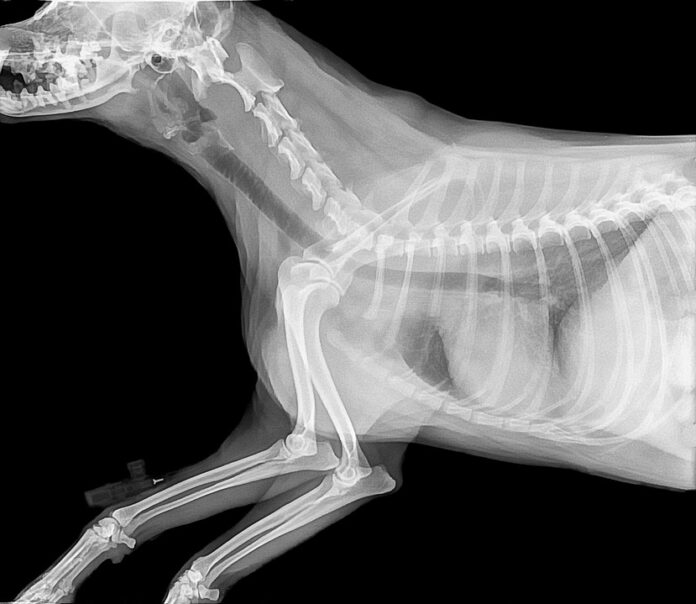
Antibiotics have revolutionized the treatment of bacterial infections in both humans and animals, leading to increased lifespan and quality of life. However, like all medications, antibiotics can have side effects, especially when improperly used. Understanding how antibiotics work, their purpose, and the potential side effects can empower pet owners to make informed decisions about their furry companions’ health.
Understanding Antibiotics
Antibiotics are drugs designed to combat bacterial infections by either killing bacteria or inhibiting their growth. Commonly prescribed antibiotics for dogs include amoxicillin, cefadroxil, and doxycycline, often employed to treat conditions such as urinary tract infections, skin infections, and respiratory infections.
It’s crucial to note that antibiotics only target bacterial infections—not viral infections, which means they won’t be effective against diseases like kennel cough or canine influenza.
How Antibiotics Work
Antibiotics function by targeting the unique characteristics of bacterial cells. They disrupt cell wall synthesis, inhibit protein synthesis, or interfere with cellular metabolism. While these actions effectively eliminate harmful bacteria, they can also impact beneficial bacteria, leading to various side effects.
Common Side Effects of Antibiotics in Dogs
Gastrointestinal Upset
- Symptoms: Vomiting, diarrhea, loss of appetite
- Explanation: Antibiotics work indiscriminately, often disrupting the balance of beneficial bacteria in the gut. This imbalance can lead to gastrointestinal upset, as the body struggles to process food and absorb nutrients.
Allergic Reactions
- Symptoms: Hives, itching, swelling, difficulty breathing
- Explanation: Some dogs may experience allergic reactions to antibiotics. This can range from mild skin rashes to severe anaphylactic reactions. The risk of an allergic reaction can often depend on the specific antibiotic used.
Secondary Infections
- Symptoms: Persistent diarrhea, yeast infections
- Explanation: Disruption of gut flora can open the door for opportunistic infections. For instance, a dog that experiences diarrhea may develop a secondary yeast infection, leading to more health challenges.
Kidney or Liver Damage
- Symptoms: Increased thirst, lethargy, jaundice
- Explanation: Some antibiotics can be toxic to the kidneys or liver, especially in dogs that already have underlying health issues. Regular monitoring and blood tests may be necessary for dogs on long-term antibiotic therapy.
Joint Issues
- Symptoms: Limping, stiffness
- Explanation: Certain antibiotics, like fluoroquinolones, have been associated with joint and tendon problems, particularly in young, growing dogs. Careful consideration should be given before prescribing.
Discoloration of Teeth
- Symptoms: Yellow or brown staining
- Explanation: Some antibiotics, particularly tetracyclines, can cause teeth discoloration if given during a puppy’s developmental phase. This can lead to long-term dental concerns.
Managing Side Effects
While side effects are possible, there are several ways to manage them effectively:
Consult Your Vet: Always discuss potential side effects with your veterinarian before starting an antibiotic regimen. Knowing how to spot side effects early can be crucial.
Follow Instructions: Administer the antibiotic precisely as prescribed. Skipping doses or prematurely stopping treatment can lead to antibiotic resistance and the development of more severe infections.
Dietary Adjustments: Since gastrointestinal issues are the most common side effects, feeding a bland diet during antibiotic therapy may help mitigate symptoms. Consult your vet for appropriate dietary options.
Probiotics: Introducing probiotics during and after treatment can help restore the healthy bacteria in the gut, reducing the risk of secondary infections.
Monitoring: Keep a close eye on your dog for any concerning symptoms. If your pet exhibits unusual behavior or side effects, contact your veterinarian immediately.
Conclusion
While antibiotics are powerful tools in treating infections in dogs, they are not without risks. Understanding the potential side effects and knowing how to manage them can enhance your dog’s treatment experience. Responsible usage combined with vigilant monitoring is vital for ensuring your pet’s health and well-being.
FAQs
Q1: Can antibiotics for dogs cause long-term side effects?
- While most side effects resolve once the medication is stopped, some long-term effects, such as dental discoloration from tetracyclines, can persist. Always monitor your dog’s health and consult your veterinarian if you notice any lasting changes.
Q2: How can I tell if my dog is having a bad reaction to antibiotics?
- Watch for symptoms like vomiting, diarrhea, lethargy, skin reactions, or unusual behavior. If you observe any of these signs, contact your vet immediately.
Q3: Are there any natural alternatives to antibiotics for dogs?
- Some natural treatments may help prevent or mitigate infections, but they are not substitutes for antibiotics. Always consult your veterinarian before pursuing alternative treatments.
Q4: Can dogs take human antibiotics?
- No. Human antibiotics can be harmful to dogs and can lead to serious side effects. Always use medications specifically prescribed for your dog.
Q5: How can I prevent resistance to antibiotics in my dog?
- Use antibiotics only as prescribed, complete the full course, and avoid sharing medications between pets. This helps prevent the development of antibiotic-resistant bacteria.
Final Thoughts
Antibiotics play a crucial role in treating bacterial infections in dogs, and understanding their potential side effects is essential for providing effective and safe care. With proper guidance from your veterinarian and responsible medication management, you can help ensure that your dog stays happy, healthy, and free from unnecessary complications.

