

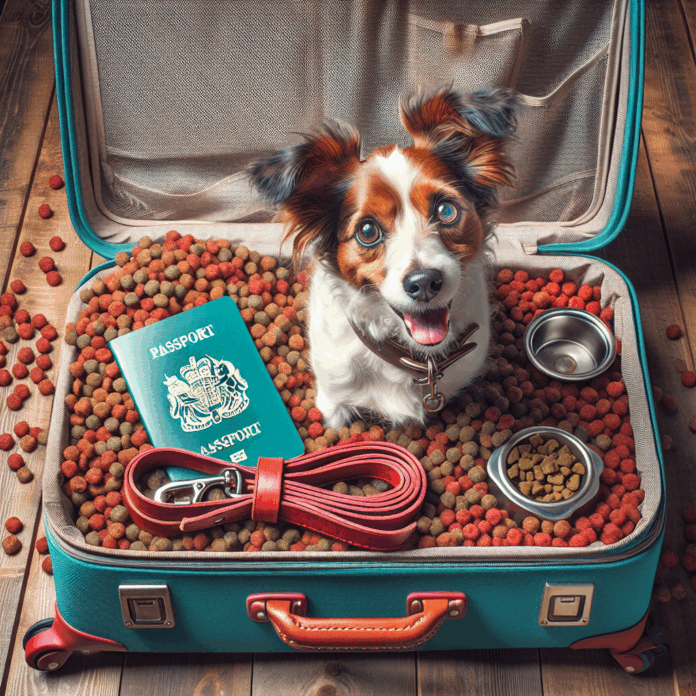
Welcoming a dog into your home is an exciting and wholesome experience. These furry companions offer unconditional love, loyal companionship, and joy that can elevate our daily lives. However, before you bring your new four-legged friend home, it’s crucial to prepare your living space to ensure a smooth transition. This guide outlines essential steps to prepare your home for a new dog and addresses frequently asked questions to help you on your journey.
1. Evaluate Your Living Space
Before you adopt or purchase a dog, assess your living situation. Consider the size of your home and any outdoor space available. Different breeds have varied space requirements. For instance, a large dog like a Labrador Retriever may benefit from ample room to roam, while smaller breeds can thrive in cozy apartments. Make necessary arrangements to ensure your space is dog-friendly.
Checklist:
- Size of the living area.
- Availability of a yard or nearby parks.
- Flooring type (hardwood, carpet, etc.).
- Accessibility to dog-friendly areas.
2. Dog-Proof Your Home
Dogs are naturally curious creatures, and they can get into everything if given the opportunity. Dog-proofing your home involves securing hazardous items and creating a safe environment.
Action Points:
- Remove Toxic Plants: Many plants are toxic to dogs. Ensure that your home is free from detrimental greenery. Common plants to avoid include lilies, oleander, and sago palm.
- Secure Electrical Cords: Use cord covers to prevent chewing.
- Hide Cleaning Supplies: Store toxic chemicals and cleaning products in high cabinets or locked storage.
- Safeguard Small Items: Keep items like shoes, remote controls, and children’s toys out of reach.
3. Designate a Dog Area
Create a dedicated space for your dog, providing a sense of security in their new environment. This space should include essentials such as a bed, food and water bowls, and some toys.
Setting Up:
- Dog Bed: Choose a comfortable bed suitable for the dog’s size. A quiet corner or a designated room works best.
- Food and Water Bowls: Invest in sturdy, easy-to-clean bowls. A mat under them can catch spills.
- Toy Selection: Provide a variety of toys to keep your dog engaged and entertained. Look for chew toys, squeaky toys, and interactive puzzle toys.
4. Stock Up on Supplies
Before your new furry friend arrives, gather all the necessary supplies to ensure you’re well-prepared.
Must-Have Supplies:
- Food: Consult your veterinarian or a pet store about the best food options for your dog’s breed, age, and size.
- Leash and Collar: Invest in a sturdy leash and an adjustable collar with identification tags.
- Grooming Supplies: Depending on the breed, you may need brushes, shampoos, and nail clippers.
- Crate: A crate can help with training and provide a safe space for your dog.
5. Establish a Routine
Dogs thrive on routine, so it’s important to establish one as soon as you bring your new pet home. Consistent feeding times, bathroom breaks, and playtime will help your dog feel secure.
Components of a Routine:
- Feeding Schedule: Choose a specific time to feed your dog, usually twice a day.
- Walking: Establish regular walking times to maintain physical activity and socialization.
- Training Sessions: Set aside time each day for training; positive reinforcement is key.
6. Prepare Your Family
Adding a dog to your family can be a significant adjustment, so involve all family members in the preparation process.
Family Discussion Points:
- Responsibilities: Assign tasks to each family member, like feeding, walking, or grooming.
- Expectations: Discuss how to interact with the new dog and set boundaries.
- Time Commitment: Emphasize the time required for training, socialization, and bonding.
7. Visit a Veterinarian
Once your dog is home, schedule a visit to the veterinarian for a health check. This initial visit is crucial for vaccinations, spaying/neutering, and general health assessments.
What to Expect:
- Health Check: Ensure your dog receives a thorough examination.
- Vaccination Schedule: Discuss immunization and preventative treatments.
- Microchipping: Consider microchipping your dog for added security in case they get lost.
8. Consider Training Programs
Training is vital for the well-being of both the dog and your family. Enroll in training classes or online programs that fit your needs, whether it’s basic obedience, agility training, or behavioral modification.
Benefits of Training:
- Behaviour Control: A well-trained dog is easier to manage and more enjoyable to be around.
- Socialization: Helps your dog learn to interact with people and other dogs.
- Safety: Training can prevent accidents and improve your dog’s safety.
9. Create a Safe Outdoor Environment
If you have a yard or access to outdoor space, ensure it is safe for your new dog.
Outdoor Safety Measures:
- Fencing: Ensure your yard is securely fenced to prevent escapes.
- Hazard Check: Remove any hazardous items like chemicals, sharp tools, or poisonous plants.
- Shade and Water: Provide shady areas and ensure there’s always fresh water available.
10. Embrace the Journey
Finally, remember that welcoming a dog is not just about physical preparations. It’s about building a loving, trusting relationship. Give your new furry friend time to adjust to their new home, and be patient as they learn and settle in.
Tips for Bonding:
- Playtime: Spend quality playtime with your dog to build trust.
- Gentle Handling: Approach your pet kindly and allow them to come to you.
- Positive Reinforcement: Reward good behavior with treats and affection.
FAQs
1. How long does it take for a new dog to adjust?
Adjustment periods can vary, but most dogs will start feeling comfortable within a few weeks. Patience and positive experiences are key to helping them settle.
2. What is the best way to introduce my dog to my home?
Upon arrival, give your dog time to explore their new environment at their own pace. Show them their designated area and let them sniff around without overwhelming them.
3. How much exercise do dogs need daily?
Most dogs require at least 30 minutes to two hours of exercise per day, depending on their breed and energy levels. Factor in walks, playtime, and mental stimulation.
4. What should I do if my dog has an accident in the house?
Remain calm and do not punish your dog. Clean the area thoroughly and avoid using strong-smelling cleaning products that might encourage repeat offenses. Take them outside more frequently for bathroom breaks.
5. Should I get my dog spayed or neutered?
Spaying/neutering is generally recommended to prevent unwanted litters and can contribute to better behavior. Consult with your veterinarian to discuss the best timing for the procedure.
6. How do I choose the right food for my dog?
Consult your vet for personalized recommendations based on your dog’s age, size, and dietary needs. Look for high-quality dog food that lists meat as the first ingredient and is free from fillers.
Conclusion
Welcoming a new dog into your home is a rewarding journey that requires thoughtful preparation. By following these steps, you can create a warm, safe, and welcoming environment for your new furry friend. Embrace the challenges and joys that come with dog ownership, and enjoy the countless moments of love and companionship that await you!

