

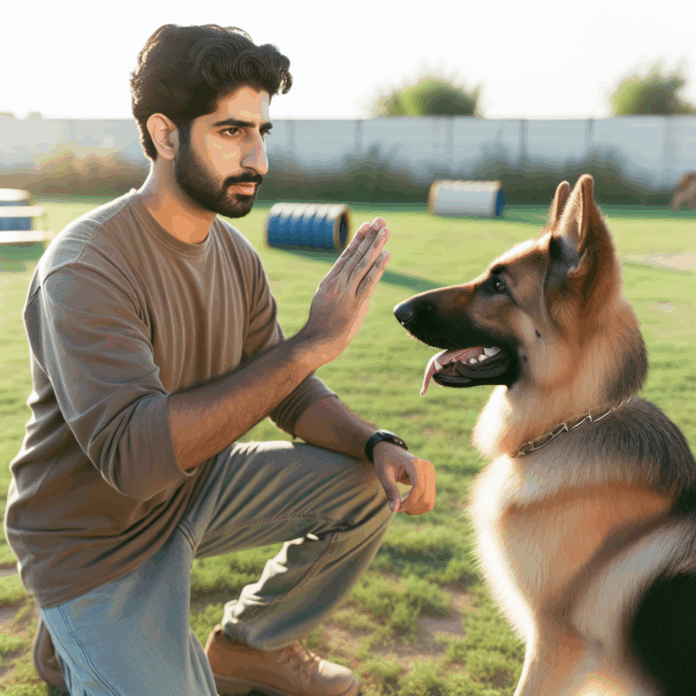
Welcoming a new dog into your home is an exciting journey, filled with joy, love, and a fair share of challenges. One of the most vital skills for both you and your furry friend is proper leash training. Not only does it promote good behavior when outdoors, but it also strengthens the bond between you and your dog. Here’s a comprehensive guide packed with pro tips for new dog owners on leash training, aiming to make walking a pleasurable experience for both you and your canine companion.
Understanding the Importance of Leash Training
Before diving into the nitty-gritty of leash training, it’s important to understand why it’s essential. Proper leash training allows you to control your dog during walks and protect them from potential hazards, such as other animals, traffic, or distractions. It also instills discipline in your dog, helping them to understand commands, boundaries, and social cues.
Starting Early
If you have a puppy, there’s no better time than now to begin leash training. Puppies are generally more adaptable, and their learning curve is quicker. However, older dogs can still learn desirable behaviors. The key is patience, consistency, and positive reinforcement.
Choosing the Right Gear
Proper gear is fundamental for successful leash training. Here are suggestions:
Leash: Opt for a sturdy yet lightweight leash that gives you control without being cumbersome. A standard leash (around 4 to 6 feet long) is ideal for training. Avoid retractable leashes during training, as they encourage pulling.
Collar/Harness: Depending on your dog’s size and breed, select a well-fitting collar or harness. A harness can be particularly useful for dogs that tend to pull, offering better control without straining their neck.
- Training Equipment: Consider training treats or toys that your dog loves. These will be essential for rewarding good behavior.
Steps to Successful Leash Training
1. Introduce the Gear
Before you hit the pavement, let your dog sniff and wear their collar or harness and leash around the house. This introduction phase helps alleviate anxiety associated with new equipment.
2. Practice Indoor Walking
Begin training indoors where distractions are minimal. Use treats to motivate your dog to follow you while wearing the leash. Allow your dog to explore, and when they respond to your cues, offer praise and treats.
3. Set a Pace
Dogs often have a tendency to pull. To counter this, start by walking at a slow pace. If your dog pulls ahead, stop walking. Wait until the leash goes slack, then resume walking. This teaches your dog that pulling does not result in progress.
4. Use Command Cues
Implement consistent verbal cues to guide your dog. Common commands like "heel" or "let’s go" will signal that it’s time to walk. Reinforce these cues with treats and praise when they follow your lead.
5. Gradual Exposure
Gradually take your training outside, beginning in a quiet area. As your dog becomes more comfortable, introduce them to busier settings. This gradual exposure to distractions helps them learn to focus despite environmental stimuli.
6. Reward Good Behavior
Positive reinforcement is key in leash training. Always have treats on hand to reward your dog for walking beside you without pulling. Praise them verbally and affectionately to reinforce their good behavior.
7. Manage Distractions
If your dog gets distracted — by other dogs, people, or interesting smells — calmly redirect their attention. You can do this by changing directions or using a favorite toy or treat to regain focus.
8. Practice, Practice, Practice
Consistency is crucial. Regular practice sessions (10-15 minutes daily) will yield the best results. Make walking enjoyable for your dog by turning it into an adventure, allowing them to explore while still adhering to training.
Addressing Common Challenges
Pulling
If your dog pulls on the leash, stop walking immediately. Wait for the leash to become slack before moving again. Consider using training collars, like head halters or no-pull harnesses, under the guidance of a trainer.
Distraction
If your dog gets overly excited by distractions, practice “look at me” training. Hold a treat close to your face and reward your dog for making eye contact. Gradually increase the level of distraction as they improve.
Fear or Anxiety
If your dog shows signs of fear or anxiety during walks, ensure they’re not overwhelmed. Start in a safe, familiar area and gradually introduce new environments. If needed, consult a professional trainer or behaviorist.
Jumping
If your dog tends to jump on others while on walks, train them to sit when they meet new people. This can be reinforced with treats and praise.
Building the Bond
Leash training is more than just teaching your dog to behave; it’s about building a strong relationship based on trust and respect. Take your time, be patient, and reward progress.
FAQs
1. How long does it take to leash train a dog?
The time it takes can vary widely depending on the dog’s age, temperament, and your consistency as a trainer. Some dogs may learn basic leash manners in a few sessions, while others may take weeks or even months to master them.
2. What if my dog is scared of the leash?
Start by allowing your dog to explore the leash in a safe environment without attaching it to their collar or harness. Gradually introduce it while offering treats and praise. Patience is key.
3. Is it better to train with a collar or harness?
This depends on your dog’s behavior. Harnesses can be more comfortable and provide better control for dogs that pull. For smaller breeds, a collar might suffice. Always ensure whatever you choose fits well and is appropriate for your dog’s size and breed.
4. Can I use a choke chain or prong collar?
It’s generally recommended to avoid choke chains and prong collars, as they can cause injury and may create negative associations with walking. Using a positive reinforcement method with a standard collar or harness is more effective and humane.
5. What should I do if my dog won’t stop pulling?
If your dog continues to pull, consider consulting a professional dog trainer who can provide personalized guidance and strategies tailored to your dog’s specific needs.
6. How often should I practice leash training?
Aim for daily practice sessions of about 10-15 minutes. Regular exposure and reinforcement will yield better results over time.
7. What if my dog seems uninterested in training?
Make training engaging! Use high-value treats, fun toys, and incorporate games into the training sessions. Keep it light and enjoyable to capture your dog’s interest.
Embarking on the leash training journey can seem daunting at first, but with the right tools and techniques, it will transform into an enjoyable experience for both you and your dog. Remember, patience and consistency are your best friends in this training adventure. Happy walking!

