

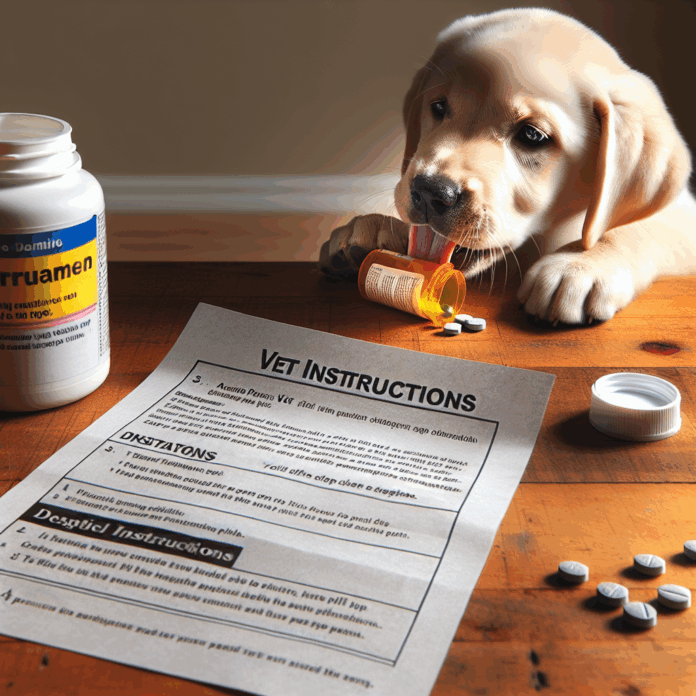
Antibiotics are a cornerstone of veterinary medicine, playing a critical role in treating various infections in dogs. However, just like in humans, the use of antibiotics in pets comes with a set of potential side effects and considerations that every dog owner should be aware of. Understanding these implications can help you make informed decisions about your dog’s health and the medications your veterinarian prescribes. This article will delve into the types of antibiotics commonly used in dogs, their potential side effects, how to manage these effects, and answer some frequently asked questions.
What Are Antibiotics?
Antibiotics are substances that prevent the growth of bacteria or kill them outright. They are predominantly used to treat bacterial infections, which can range from mild ailments, like skin infections, to severe conditions, like pneumonia or urinary tract infections. It’s crucial to note that antibiotics are ineffective against viral infections, making it essential for veterinarians to assess whether an infection is bacterial before prescribing these medications.
Commonly Used Antibiotics for Dogs
Several types of antibiotics are commonly prescribed for dogs, including:
Penicillins (e.g., Ampicillin): Commonly used for skin infections, respiratory infections, and urinary tract infections.
Cephalosporins (e.g., Cefalexin): Effective against a broader range of bacteria and often used for skin and soft tissue infections.
Tetracyclines (e.g., Doxycycline): Used for various bacterial infections, including those caused by ticks.
Fluoroquinolones (e.g., Enrofloxacin): Employed for serious infections and resistance cases, but with potential side effects.
- Macrolides (e.g., Azithromycin): Generally used for respiratory infections.
Potential Side Effects of Dog Antibiotics
While antibiotics are life-saving drugs, they can cause side effects, some of which can be serious. Below are common side effects associated with various antibiotics:
1. Gastrointestinal Issues
One of the most common side effects of antibiotics is gastrointestinal upset. This can manifest as diarrhea, vomiting, or loss of appetite. The disruption of gut flora caused by antibiotics is often the underlying reason.
Management:
- Temporarily withholding food can help settle the stomach. Consult your veterinarian before making changes to your dog’s feeding regimen.
- Consider probiotic supplements (after vet approval) to restore healthy gut bacteria.
2. Allergic Reactions
Some dogs may experience allergic reactions to specific antibiotics, leading to signs such as itching, swelling, or difficulty breathing. In severe cases, anaphylaxis can occur, which is a medical emergency.
Management:
- If you notice any signs of an allergic reaction, discontinue the antibiotic immediately and consult your veterinarian.
- Ensure that your veterinarian is aware of any known drug allergies.
3. Kidney and Liver Toxicity
Certain antibiotics can be damaging to the kidneys or liver, especially if the dog has preexisting conditions. Signs of toxicity include increased thirst and urination, jaundice, or lethargy.
Management:
- Regular blood tests may be recommended by your vet to monitor kidney and liver function during antibiotic therapy.
- If toxicity is suspected, your veterinarian may discontinue the medication and recommend alternative treatments.
4. Disruption of Microbiome
Antibiotics can disrupt the balance of healthy bacteria in your dog’s body, potentially leading to overgrowth of harmful bacteria like Clostridium difficile, leading to severe diarrhea.
Management:
- Consult your veterinarian about using probiotics to help restore the microbiome during and after antibiotic treatment.
5. Specific Adverse Effects
Some antibiotics have unique side effects. For example, fluoroquinolones may lead to damage in growing cartilage in young dogs, while tetracyclines may discolor teeth and affect bone growth.
Management:
- Always inform your veterinarian about your dog’s age and any medical history when discussing treatments.
- Follow dosage instructions carefully to minimize risks.
When to Seek Veterinary Help
It’s essential to trust your instincts as a pet owner. If your dog is exhibiting unusual symptoms or if you have concerns about a prescribed antibiotic, don’t hesitate to reach out to your veterinarian. Timely intervention can mitigate adverse effects and ensure your dog receives appropriate care.
How to Administer Antibiotics Safely
To ensure the safe administration of antibiotics, consider the following:
Follow Dosage Instructions: Administer the medication as prescribed, ensuring you do not skip doses or stop the medication prematurely.
Monitor Your Dog: Keep an eye on your dog for any side effects and report them to your veterinarian.
- Avoid Human Antibiotics: Never give your dog antibiotics intended for human use without veterinary guidance, as dosages and effects differ.
FAQs
1. Can my dog take antibiotics for a viral infection?
No, antibiotics are ineffective against viral infections. Always consult your veterinarian for accurate diagnostics.
2. What should I do if I miss a dose of my dog’s antibiotic?
If you miss a dose, give it as soon as you remember unless it’s close to the time for the next dose. Never double a dose. Consult your veterinarian for further guidance.
3. How can I help my dog tolerate antibiotics better?
Probiotics may help counteract some gastrointestinal issues. Always discuss this option with your veterinarian first.
4. Are there any long-term effects of antibiotic use in dogs?
Long-term or inappropriate antibiotic use can lead to resistance and changes in gut microbiota. It’s critical to use them only when necessary and as prescribed.
5. What foods should I avoid giving my dog while they are on antibiotics?
Certain foods, like dairy or high-fiber foods, can interfere with some antibiotics. Always check with your veterinarian for specific dietary recommendations.
Conclusion
Understanding the potential side effects of antibiotics in dogs is crucial for responsible pet ownership. While these medications can save your dog’s life, being informed allows you to manage any adverse reactions effectively. Always maintain open communication with your veterinarian, and don’t hesitate to reach out for help. Through knowledge and collaboration, you can ensure the safest, most effective treatment for your beloved canine companion.

