

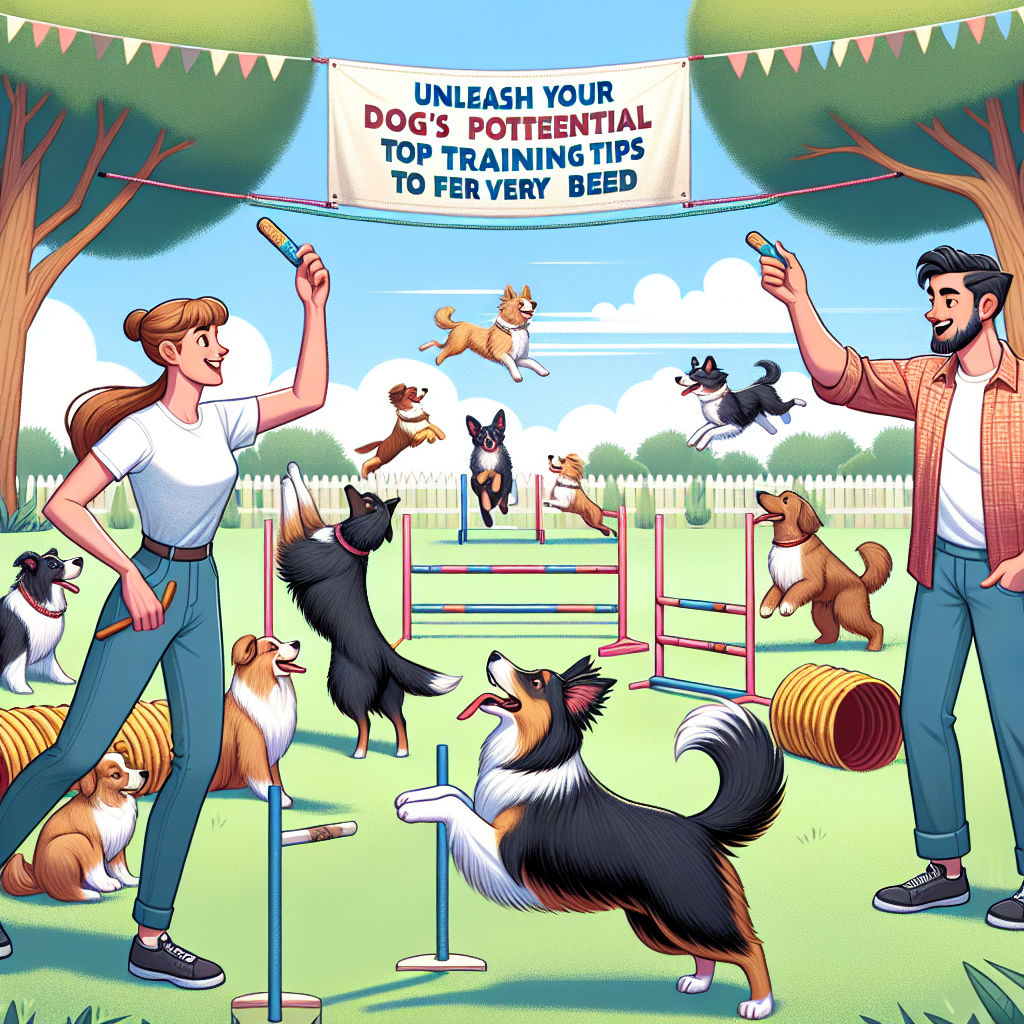
Dogs are often considered man’s best friend, and for good reason. Our furry companions provide us with loyalty, love, and endless joy. However, to foster that companionship, proper training is essential. Training not only teaches your dog basic commands but also enhances the bond between you and your pet. Regardless of your dog’s breed, there are training techniques and tips that can help unlock their full potential.
Understanding Your Dog’s Breed
Each dog breed has unique characteristics that influence its behavior and learning style. Understanding your dog’s breed can significantly enhance your training methods.
Sporting Breeds
Sporting breeds, such as Labrador Retrievers and Golden Retrievers, are energetic and intelligent. They thrive on physical activity and social interaction. Here are some tips for training sporting breeds:
- Utilize their Energy: Engage them in activities like fetch or agility training to keep them physically and mentally stimulated.
- Positive Reinforcement: Use treats and praise to reward good behavior. This approach encourages them to repeat those behaviors.
Working Breeds
Working breeds, such as Shepherds and Rottweilers, are known for their strength and intelligence. They often require structured training.
- Set Clear Boundaries: Establish rules and consistency from an early age. This breeds confidence and respect.
- Mental Challenges: Incorporate problem-solving games that stimulate their mind and reinforce obedience skills.
Herding Breeds
Herding breeds like Border Collies and Australian Shepherds are highly intelligent and energetic. They require both physical and mental exercise.
- Teach Commands: Focus on advanced training commands like “stay” and “come,” as these breeds are quick learners.
- Interactive Toys: Utilize toys that challenge their problem-solving skills to keep them engaged.
Toy Breeds
Toy breeds, such as Chihuahuas and Pomeranians, may be small in size but can be big on attitude. Training them requires patience.
- Stay Patient: Smaller breeds can be stubborn, so training should be consistent and patient.
- Socialization: Allow them to interact safely with other dogs and people to enhance their social skills.
Hound Breeds
Hound breeds like Beagles and Dachshunds have a keen sense of smell and strong instincts.
- Use Their Nose: Incorporate scent games to enhance their natural abilities, such as hide-and-seek with treats.
- Break Training into Short Sessions: Hound breeds can lose focus quickly, so keep training sessions short and engaging.
General Training Tips for Every Dog
Consistency is Key
Regardless of your dog’s breed, consistency in training is vital. Establish a routine and stick to it. Use the same commands and cues so your dog can understand what you expect of them.
Positive Reinforcement
Positive reinforcement is one of the most effective training methods. Instead of punishment, reward good behavior with praise, treats, or playtime. This builds a positive association with desired actions.
Socialization
Socializing your dog from a young age is crucial. Expose them to various environments, sounds, and people to reduce fearfulness and promote confidence. Take them to parks, dog-friendly events, and invite visitors over to help with this process.
Training Sessions
Keep training sessions short and fun—aim for 5 to 10 minutes, multiple times a day. This prevents boredom and helps maintain their attention.
Leash Training
Teaching your dog to walk calmly on a leash is a must. Start with short walks and use treats to reward good behavior. If they pull, stop walking until they return to a heel position.
Basic Commands
Teach and reinforce basic commands such as “sit,” “stay,” “come,” and “down.” These commands are foundational for good behavior. Begin with simple commands and gradually increase their complexity as your dog masters them.
Addressing Behavioral Issues
Behavioral problems can stem from anxiety, fear, or lack of stimulation. If you’re facing challenges, consider consulting a professional dog trainer or a behaviorist for tailored solutions.
Health Considerations
Remember that training goes hand in hand with your dog’s general health. Regular vet check-ups will ensure your dog is physically fit. Illness or pain can affect a dog’s ability to learn and engage during training sessions.
Engaging Activities that Enhance Training
Incorporating fun and engaging activities into your dog’s routine can also improve training effectiveness.
Agility Training
Set up a mini-agility course in your backyard with tunnels, jumps, and weave poles. This not only helps with obedience but also improves physical fitness.
Mental Games
Engage your dog with puzzle toys that require problem-solving to access treats. These stimulate their minds and can help prevent boredom.
Canine Sports
Look for local canine sports or classes like flyball, disc dog, or dock diving. These activities challenge your dog both mentally and physically while allowing for socialization.
Tricks and Advanced Commands
Once basic commands are mastered, move on to teaching tricks. Dogs love to perform and show off, so teaching them fun tricks can enhance your bond.
FAQs
Q1: How long will it take to train my dog?
Training duration varies by breed, age, and individual temperament. However, most dogs can learn basic commands within a few weeks with consistent training.
Q2: What’s the best age to start training?
Puppies can begin training as early as eight weeks old. However, older dogs can also learn; it’s never too late to start training.
Q3: What if my dog won’t respond to training?
Some dogs may be more stubborn or easily distracted. Maintain patience, adjust your methods, and consider seeking a professional trainer if needed.
Q4: How often should I train my dog?
Short and frequent training sessions are most effective. Aim for multiple sessions throughout the day, each lasting 5 to 10 minutes.
Q5: Can I train my dog without formal classes?
Absolutely! Many owners successfully train their dogs at home using online resources and books. Just ensure you are consistent and use positive reinforcement.
Q6: Should I hire a professional trainer?
If you’re struggling or working with a breed that’s known for behavioral challenges, seeking help from a professional trainer can offer valuable insights and tailored strategies.
Conclusion
Training your dog is a journey that strengthens your bond and enhances their quality of life. By understanding the specific needs of your dog’s breed and employing effective training techniques, you can unleash their full potential. Remember to stay patient, be consistent, and enjoy the rewarding experience of training alongside your furry friend. Happy training!

