

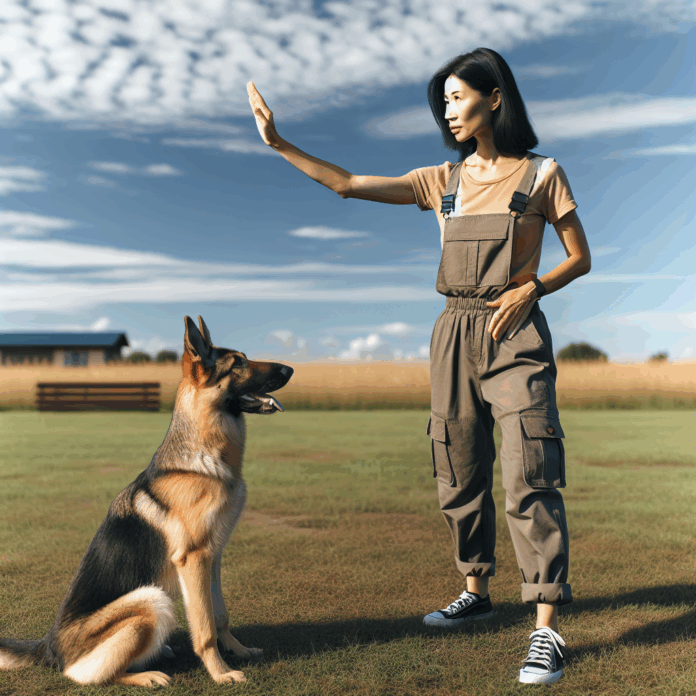
Teaching your dog basic commands like "Sit" and "Stay" is not just about obedience; it’s a fundamental part of building a strong bond with your furry friend. These commands lay the groundwork for good behavior and can enhance safety in various situations. This comprehensive guide will walk you through practical steps for teaching these commands effectively, enriched with tips, common challenges, and a FAQs section.
Why Teach ‘Sit’ and ‘Stay’?
- Safety: These commands prevent your dog from running into dangerous situations, such as busy streets or unfamiliar environments.
- Control: Having your dog sit and stay allows you to manage them in public places more effectively.
- Socialization: A well-behaved dog is more welcomed in social settings, whether it’s a family gathering or a canine-friendly café.
- Bonding: Training reinforces your relationship, creating trust and understanding between you and your pet.
Step-by-Step Guide to Teaching ‘Sit’
Step 1: Prepare the Environment
Find a quiet area with minimal distractions. This could be indoors, in your yard, or at a quiet park.
Step 2: Gather Your Supplies
Have some tasty treats ready. Choose something your dog loves, whether it’s small pieces of kibble, cheese, or commercial dog treats.
Step 3: Start with Basics
- Get Your Dog’s Attention: Hold the treat near your dog’s nose.
- Move the Treat: Slowly move the treat upwards and back over your dog’s head. As they follow the treat, their bottom will naturally lower.
Step 4: Introduce the Command
As your dog’s rear end hits the ground, say "Sit" in a clear, positive tone. Immediately reward them with the treat.
Step 5: Repeat
Practice this multiple times. The goal is for your dog to associate the action of sitting with the command “Sit.”
Step 6: Phase Out the Treats
Once your dog sits consistently on command, start to reduce the number of treats. Gradually transition to verbal praise and occasional treats.
Step 7: Add Duration
Once your dog reliably sits, hold the treat for longer before giving it. This teaches patience and reinforces that waiting a moment yields a reward.
Step-by-Step Guide to Teaching ‘Stay’
Step 1: Start with ‘Sit’
Have your dog in a sitting position. This is the best starting point for the “Stay” command.
Step 2: Introduce the Command
After saying "Sit," clearly say the command "Stay." Place your open hand in front of them, palm facing them.
Step 3: Take a Step Back
Take one small step back while maintaining eye contact. If they stay put, return to them and reward them with a treat.
Step 4: Increase Distance
Gradually increase the distance and duration. If your dog breaks the stay, gently guide them back to the start and try again.
Step 5: Add Time
Once your dog is reliably staying for a few seconds, start increasing the time before rewarding them.
Step 6: Test with Distractions
Introduce mild distractions and gradually increase them. Always reinforce their stay with treats or praise when they remain in position.
Step 7: End with a Release Command
Teach your dog a release command, such as "Okay," to let them know they can break the stay. This helps them understand when it’s alright to move.
Common Challenges and Solutions
Dogs That Won’t Sit: If your dog is reluctant to sit, try using a surface they enjoy sitting on or place their favorite toy near their bottom.
Breaking the Stay: If your dog breaks the stay, don’t scold them. Gently guide them back and reinforce their stay. This ensures they don’t associate punishment with the command.
Distractions: Start training in a distraction-free environment. As your dog gets better, gradually introduce distractions to strengthen their training.
Impatience: Training takes time. Patience is crucial. Keep sessions short, around 5-10 minutes, to maintain your dog’s focus and enthusiasm.
- Inconsistency: Ensure everyone in your household uses the same commands and rewards to avoid confusing your dog.
Tips for Success
Positive Reinforcement: Always reward your dog with treats, praise, or playtime. Positive reinforcement is shown to be more effective than punishment.
Short Sessions: Training sessions should be short and sweet. Aim for 5-10 minutes and repeat multiple times a day.
Stay Engaged: Use an upbeat tone and show excitement when your dog successfully follows a command to keep their morale high.
Consistency is Key: Practice daily, but ensure to have variation in your routines to keep your dog engaged.
- Be Patient: Every dog learns at their own pace. Adapt your training to your dog’s unique personality and needs.
When to Seek Professional Help
If you’re struggling with training despite consistent effort, consider consulting a professional dog trainer or behaviorist. They can provide tailored advice and techniques suited to you and your dog.
FAQs
Q1: How long will it take to teach my dog ‘Sit’ and ‘Stay’?
A1: The time varies based on the dog’s age, breed, and previous training experience. Generally, with consistent practice, you can see progress within a few days to weeks.
Q2: Can I teach ‘Sit’ and ‘Stay’ to an adult dog?
A2: Yes, dogs of any age can learn new commands. Older dogs can be just as eager to please as puppies.
Q3: What if my dog is food aggressive?
A3: If your dog shows signs of food aggression, seek help from a professional trainer before starting training with treats.
Q4: How can I make training more fun for my dog?
A4: Incorporate games and outdoor activities. Keeping training sessions light-hearted can improve responsiveness.
Q5: Are there alternative commands I can teach my dog?
A5: Yes! Commands like “Come,” “Down,” and “Leave it” are also essential for well-mannered behavior.
Q6: Can I use toys instead of treats?
A6: Absolutely! If your dog is motivated by toys, use them as rewards. Just ensure they are engaging enough for your dog.
Conclusion
Teaching your dog the commands "Sit" and "Stay" is a rewarding endeavor that nurtures good manners, ensures safety, and strengthens your bond. With patience, consistent practice, and positive reinforcement, you can help your dog become a well-behaved companion. Each command teaches your dog not just obedience, but also valuable life skills that benefit both of you. Happy training!

