

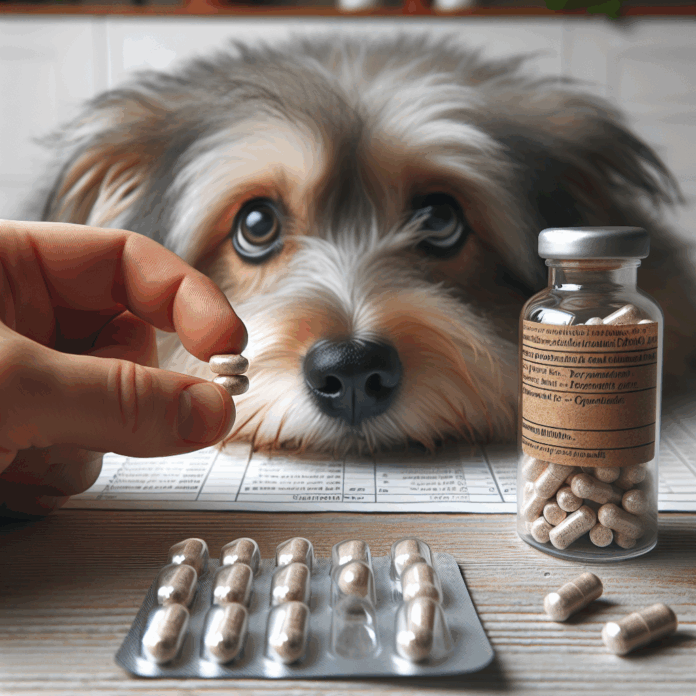
As pet owners, ensuring the health and well-being of our dogs is of utmost importance. When our furry companions fall ill, antibiotics often become a critical part of their treatment plan. While these medications are vital for combating bacterial infections, understanding their potential side effects is essential for responsible pet ownership. This article aims to explore the types of antibiotics commonly prescribed for dogs, their side effects, and what pet owners need to know.
The Role of Antibiotics in Canine Health
Antibiotics are medications designed to fight bacterial infections. They work by either killing bacteria or inhibiting their growth. In veterinary medicine, antibiotics are used to treat a variety of conditions, including skin infections, urinary tract infections, respiratory infections, and more. Common antibiotics prescribed to dogs include:
- Amoxicillin: A broad-spectrum antibiotic often prescribed for various infections.
- Cephalexin: Another broad-spectrum antibiotic effective against skin and soft tissue infections.
- Metronidazole: Typically used to treat gastrointestinal infections.
- Clavamox: A combination antibiotic that is effective for a range of bacterial infections.
While antibiotics can effectively resolve many health issues, it’s vital for pet owners to be aware of potential side effects.
Common Side Effects of Canine Antibiotics
Just like any medication, antibiotics come with potential side effects in dogs. While not all dogs will experience adverse effects, it’s important to recognize the possibilities:
1. Gastrointestinal Issues
Gastrointestinal disturbances are among the most common side effects. Dogs may experience:
- Vomiting
- Diarrhea
- Loss of Appetite
- Nausea
These symptoms often occur because antibiotics can disrupt the natural balance of bacteria in the dog’s gut. The gut microbiota plays a crucial role in digestion and overall health. It’s vital that pet owners report any severe or persistent gastrointestinal issues to their veterinarian.
2. Allergic Reactions
Some dogs may exhibit allergic reactions to certain antibiotics. Signs include:
- Itching or inflammation of the skin
- Swelling of the face, ears, or paws
- Hives
- Difficulty breathing (a serious condition that requires immediate veterinary attention)
If you notice any signs of an allergic reaction, discontinue use and consult your vet immediately.
3. Changes in Behavior
Dogs may also show changes in behavior when taking antibiotics. This could manifest as increased lethargy, agitation, or restlessness. While some of these changes may be temporary and resolve once the medication is stopped, it’s essential to monitor your dog closely.
4. Blood Disorders
Certain antibiotics can impact blood cell counts, potentially leading to conditions such as:
- Anemia: A decrease in red blood cells can cause weakness and fatigue.
- Thrombocytopenia: A reduction in platelet count can lead to easy bruising or bleeding.
Though rare, these side effects may require immediate medical attention. Regular blood work can monitor your dog’s health while on antibiotics.
5. Kidney or Liver Issues
Some antibiotics can stress the liver and kidneys, especially in dogs with pre-existing conditions. Signs of potential liver or kidney issues include:
- Increased thirst
- Frequent urination
- Yellowing of the skin or eyes
If any of these symptoms appear, consult your veterinarian for further evaluation.
What Pet Owners Need to Know
Dosage and Administration
It’s critical to follow the veterinarian’s prescribed dosage and regimen precisely. Never give your pet leftover antibiotics or those prescribed for another animal. Proper administration ensures the medication is effective and minimizes the risk of side effects.
Duration of Treatment
Antibiotic treatment should be completed as directed, even if your dog’s symptoms improve. Stopping antibiotics prematurely can lead to antibiotic resistance, making future infections harder to treat.
Probiotics
Discuss the possibility of incorporating probiotics with your veterinarian. Probiotics can help restore the gut flora disrupted by antibiotics, potentially alleviating gastrointestinal side effects.
Monitoring
After starting antibiotics, closely monitor your dog for any side effects. Keep a journal to track symptoms and any changes in behavior or health. Regular follow-ups with your veterinarian are crucial to ensure your pet is recovering as expected.
Education
Educate yourself about the specific antibiotic prescribed. Understanding the medication’s purpose, potential side effects, and what to watch for can make it easier to manage your dog’s health.
FAQs
Q: How can I tell if my dog is having a side effect from an antibiotic?
A: Look for signs like vomiting, diarrhea, loss of appetite, or any unusual behavior. If you’re concerned, consult your veterinarian for advice.
Q: Are all antibiotics safe for dogs?
A: Not all antibiotics are safe for all dogs. Some may not be appropriate for certain breeds, age groups, or health conditions. Always consult your veterinarian before administering any medication.
Q: Can I give my dog probiotics while they are on antibiotics?
A: Yes, but it’s best to consult your veterinarian first. They can recommend specific probiotics and the right time to administer them to maximize their effectiveness.
Q: What should I do if I miss a dose?
A: If you miss giving your dog a dose of their antibiotic, administer it as soon as you remember. If it’s close to the time of the next dose, skip the missed dose—never double dose. Always consult your veterinarian for specific instructions.
Q: Can my dog stay on antibiotics long-term?
A: Long-term use of antibiotics can lead to resistant bacteria and other health issues. If your vet recommends long-term treatment, they will monitor your dog closely and may conduct regular blood tests.
Q: What can I do to prevent side effects?
A: Follow your veterinarian’s instructions closely regarding dosage and administration. Discuss any concerns with your vet, including the possibility of probiotics to help support gut health.
Conclusion
Understanding the side effects of canine antibiotics is essential for pet owners. While these medications can be lifesaving, responsible use and monitoring are key to ensuring our dogs’ health and safety. By staying informed and working closely with your veterinarian, you can help your furry friend recover swiftly and safely.

