The first step in evaluating dog food is understanding the labeling, which is regulated by the Association of American Feed Control Officials (AAFCO) in the United States. Labels provide essential information about the food’s content and nutritional standards.
1. Product Name
The product name often contains vital information about the primary ingredient.
- A food labeled “Chicken Dog Food” must contain at least 70% chicken.
- A food labeled “Chicken Dinner” or “Chicken Formula” only needs 10% chicken.
This distinction is crucial, as it directly affects the food’s nutritional quality.
2. Ingredient List
Ingredients are listed in descending order by weight.
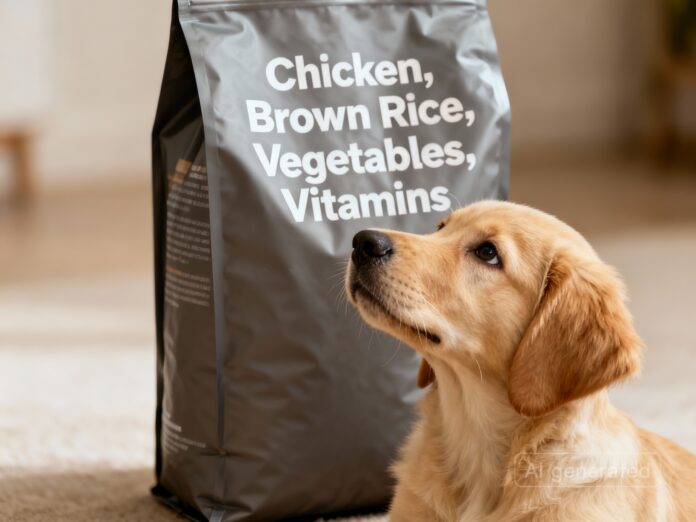
Focus on whole, recognizable ingredients like meats, fruits, and vegetables.
If the first ingredient is something vague like “meat meal” or “animal by-products,” the protein quality may be lower.
3. Guaranteed Analysis
This section lists the minimum protein and fat and maximum fiber and moisture levels.
While it provides a basic nutritional snapshot, it doesn’t reveal protein quality or digestibility.
Two foods may show the same protein level on the label but differ significantly in nutritional value.
4. Nutritional Adequacy Statement
Look for an AAFCO statement such as “complete and balanced” — this means the food meets the minimum requirements for specific life stages (puppy, adult, senior).
Avoid foods without this certification.
5. Feeding Guidelines
These recommendations help determine how much to feed your dog based on their weight and activity level.
However, these are general estimates — always monitor your dog’s body condition and adjust accordingly.
Key Ingredients to Look For
The quality of ingredients is far more important than the quantity. Look for:
- High-Quality Proteins:
Whole meats like chicken, beef, lamb, or fish should be listed first. These supply amino acids essential for muscle health and energy. - Whole Grains:
Ingredients like brown rice, barley, or oatmeal provide healthy carbohydrates and fiber for digestion and stamina. - Fruits and Vegetables:
Ingredients such as sweet potatoes, peas, carrots, and blueberries are rich in antioxidants, vitamins, and minerals. - Healthy Fats:
Look for fish oil, flaxseed, or chicken fat for omega-3 and omega-6 fatty acids that support skin and coat health. - Probiotics:
Natural probiotics aid digestion and maintain a healthy gut microbiome.
Ingredients to Avoid
Not all ingredients in dog food are beneficial. Avoid foods that contain:
- Meat By-Products:
These may include low-quality animal parts not suitable for human consumption. The nutritional value can be inconsistent. - Artificial Preservatives:
Avoid BHA, BHT, and ethoxyquin, which have been linked to health concerns. Choose natural preservatives like vitamin E (tocopherols) or vitamin C (ascorbic acid). - Fillers:
Corn, wheat, and soy often act as cheap fillers that add bulk but minimal nutrition. They can also trigger allergies. - Added Sugars and Excessive Salt:
These can contribute to obesity, diabetes, and high blood pressure over time.
Special Diets and Considerations
Every dog has unique dietary needs based on age, breed, size, activity level, and health.
- Puppies require diets rich in protein and fat for growth.
- Adult dogs benefit from balanced maintenance formulas.
- Senior dogs may need lower-calorie, joint-supportive food.
For dogs with allergies or medical conditions like diabetes, kidney disease, or obesity, specialized formulas or prescription diets may be necessary.
Always consult your veterinarian before making major dietary changes.
Tips for Choosing Quality Dog Food
- Read labels carefully — avoid misleading marketing words like “premium” or “natural” unless supported by clear ingredient quality.
- Choose brands that disclose sourcing and manufacturing standards.
- Rotate between protein sources occasionally to avoid allergies and provide balanced nutrients.
- Avoid overfeeding — even high-quality food can cause obesity if portions are too large.
Conclusion
Understanding dog food labels and ingredients empowers you to make informed, confident choices for your dog’s diet. By prioritizing foods with high-quality proteins, natural fats, and whole ingredients, and avoiding fillers and artificial additives, you’ll ensure your pet enjoys better health and vitality.
Every dog is different, so stay observant of their behavior, coat quality, and energy levels. Combine good nutrition with regular vet check-ups, exercise, and love — and your dog will thrive inside and out.
A healthy diet is the foundation of a happy, active, and long canine life. ????

