

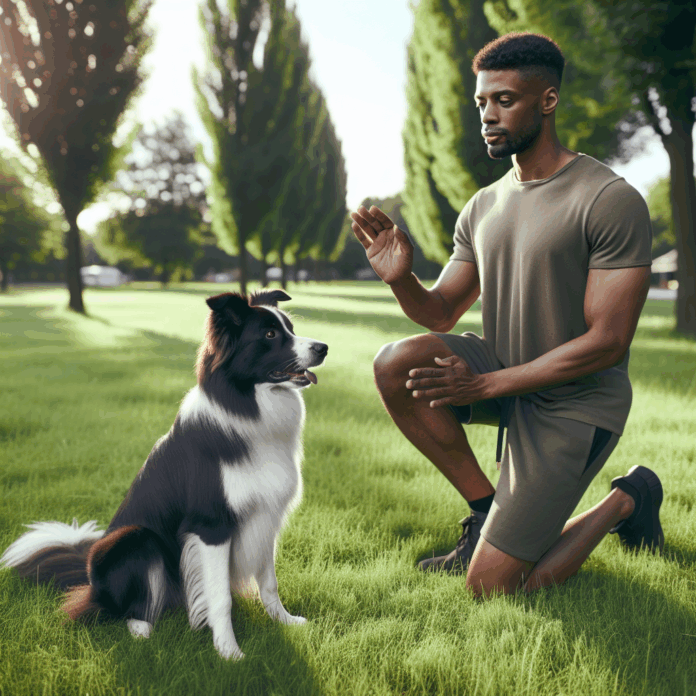
As devoted pet owners, understanding the emotional and psychological well-being of our furry companions is crucial for ensuring a happy and healthy life. Just like humans, dogs can experience anxiety, which can significantly affect their behavior, health, and overall quality of life. Addressing this issue early is key to providing the support your pup needs. In this article, we will explore the key symptoms of dog anxiety and offer useful insights for pet owners to recognize and mitigate this condition.
What is Dog Anxiety?
Dog anxiety is a condition that can stem from various factors, including genetics, environment, past trauma, or a lack of socialization. Common types of anxiety in dogs include separation anxiety, noise anxiety, and general anxiety triggered by various situations. While some anxiety is a normal part of a dog’s emotional landscape, excessive anxiety can lead to destructive behavior, changes in health, and strained human-animal relationships.
Key Symptoms of Dog Anxiety
Recognizing the signs of anxiety in your dog is essential for timely intervention. Below are the primary symptoms to watch for:
1. Excessive Barking or Howling
Barking is a normal canine behavior, but if it escalates into excessive vocalization, it may indicate anxiety. Dogs suffering from anxiety may bark or howl incessantly, especially when left alone or exposed to overwhelming stimuli.
2. Destructive Behavior
Anxiety can lead dogs to chew furniture, dig at doors, or otherwise damage their surroundings. This is often a way for dogs to cope with their feelings. If your dog suddenly starts exhibiting this behavior, it may be an indication of anxiety.
3. Pacing and Restlessness
If your dog frequently paces back and forth or appears unsettled, it can be a signal of anxiety. Dogs experiencing anxiety often have a hard time finding a comfortable spot to relax, leading to restless behavior.
4. Withdrawal and Hiding
Some dogs may become withdrawn or seek out small, enclosed spaces when they feel anxious. If your dog suddenly starts to hide or isolate themselves, it’s essential to pay attention to the underlying causes.
5. Changes in Appetite
Anxiety can influence a dog’s eating habits. Some dogs may lose their appetite and refuse to eat when stressed, while others may overeat as a coping mechanism. Monitoring your dog’s food intake can provide insights into their emotional state.
6. Panting and Excessive Drooling
While panting can be a normal response to exercise or heat, excessive panting, and drooling can be signs of anxiety, especially if there’s no apparent physical cause. These symptoms may occur during stressful situations, like thunderstorms or fireworks.
7. Trembling or Shaking
A dog that trembles or shakes, especially during stressful situations, may be experiencing anxiety. This physical manifestation often indicates an immediate need for comfort and reassurance.
8. Loss of Interest in Play
Dogs are generally playful creatures, but anxiety can lead to a loss of interest in activities they once enjoyed, such as playing fetch or going for walks. If your dog seems disinterested in playtime or normal activities, it might be a sign of anxiety.
9. Aggression
Anxiety can sometimes provoke aggressive behavior in dogs, especially if they feel threatened. If your usually gentle dog suddenly becomes aggressive or defensive, it could be a result of heightened anxiety levels.
Types of Dog Anxiety
In addition to understanding the symptoms, it’s essential to recognize the different types of anxiety that dogs may experience:
1. Separation Anxiety
Many dogs experience anxiety when left alone. Separation anxiety can lead to destructive behavior, excessive barking, and other symptoms as the dog tries to cope with being away from their owner.
2. Noise Anxiety
Loud sounds, such as thunderstorms, fireworks, or construction noises, can cause significant distress for some dogs. This form of anxiety often results in hiding, pacing, or attempts to escape.
3. Social Anxiety
Some dogs may struggle with anxiety around unfamiliar people or other animals. This can result in avoidance behavior or aggression, making social situations challenging.
4. Situational Anxiety
Certain situations, such as car rides or visits to the vet, can provoke anxiety in dogs. Recognizing specific triggers can help in identifying and managing their anxiety effectively.
Managing Dog Anxiety
Understanding that your dog is experiencing anxiety is the first step toward recovery. Here are some strategies that can help alleviate anxiety in pets:
Establish a Routine: Dogs thrive on predictability. Keeping a regular schedule for feeding, walks, and playtime can help them feel secure.
Create a Safe Space: Designate a comfortable area where your dog can retreat when they feel anxious. This could be a specific room or a cozy crate equipped with their favorite toys.
Gradual Desensitization: If your dog has specific triggers, slowly exposing them to those stimuli in a controlled manner can help them develop coping mechanisms.
Positive Reinforcement: Rewarding your dog for calm behavior can reinforce positive responses to stressful situations and encourage them to deal with anxiety better.
Consult a Professional: If your dog’s anxiety is severe, seeking help from a veterinarian or a certified dog trainer specializing in behavioral issues may be beneficial. They can recommend therapies or medications tailored to your dog’s needs.
- Calming Products: Various products are available to help alleviate anxiety, including anxiety wraps, pheromone diffusers, and calming treats.
FAQs
1. What causes dog anxiety?
Dog anxiety can stem from various factors, including genetics, traumatic experiences, lack of socialization, changes in the environment, and certain health issues.
2. How can I tell if my dog is anxious?
Watch for symptoms like excessive barking, destructive behavior, pacing, withdrawal, changes in appetite, panting, trembling, and aggression.
3. Is it normal for dogs to experience anxiety?
Yes, some level of anxiety is normal for dogs. However, excessive anxiety that interferes with their daily life is a cause for concern and should be addressed.
4. Can dog anxiety be treated?
Yes, dog anxiety can often be managed through behavioral training, creating a safe space, consulting a veterinarian for possible medications, and using calming products.
5. When should I consult a veterinarian about my dog’s anxiety?
If your dog’s anxiety symptoms are severe, persistent, or lead to destructive behavior or aggression, it’s essential to consult a veterinarian or professional dog trainer.
6. Are there any natural remedies for dog anxiety?
Yes, some natural remedies may help with dog anxiety, including calming treats, pheromone diffusers, and music therapy. Always consult your veterinarian before trying new remedies.
7. Can I train my dog out of anxiety?
While you cannot “train” away anxiety, you can use positive reinforcement and desensitization techniques to help your dog cope with anxiety-inducing situations.
Understanding and addressing dog anxiety is vital for the well-being of your canine companion. Being aware of the symptoms and taking proactive steps can lead to a happier, healthier pet and a more harmonious home environment. Always remember that your dog relies on you for comfort, stability, and guidance.

