

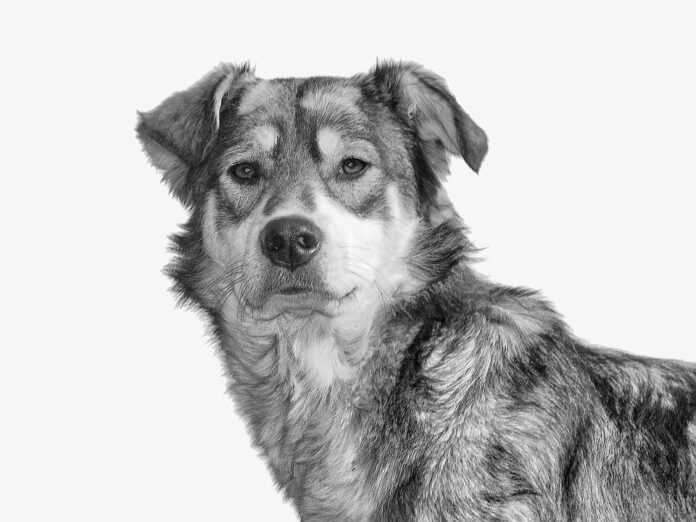
For many dog lovers who suffer from allergies, the dream of owning a furry companion can feel impossible. However, there are several dog breeds known to be hypoallergenic, which means they produce fewer allergens that can trigger allergic reactions. While no dog is completely hypoallergenic, breeds with hair instead of fur, low-shedding coats, or less dander can be easier for allergy sufferers to tolerate. In this article, we will explore the top ten hypoallergenic dog breeds that may be the perfect fit for those with sensitivities.
1. Poodle
Overview:
Poodles come in three sizes: Standard, Miniature, and Toy. They are known for their intelligence and adaptable nature. All types possess a curly coat that traps dander and hair, preventing them from spreading throughout the home.
Advantages:
- Highly trainable and intelligent
- Low-shedding coat
- Great family pets
2. Bichon Frise
Overview:
The Bichon Frise is a small, cheerful breed with a cotton-like coat. They are known for their playful and friendly demeanor.
Advantages:
- Fun-loving and sociable
- Minimal shedding due to their curly hair
- Simple grooming routine
3. Maltese
Overview:
The Maltese is a toy breed valued for its long, flowing coat and affectionate disposition. They are gentle and make excellent lap dogs.
Advantages:
- Very low dander production
- Loving and social
- Adaptable to various living conditions, including apartments
4. Schnauzer
Overview:
Schnauzers come in three sizes: Standard, Miniature, and Giant. Known for their distinctive beard and eyebrows, they are loyal companions with a spirited personality.
Advantages:
- Low-shedding coat due to their wiry hair
- Good watchdogs
- Highly intelligent and trainable
5. Yorkshire Terrier
Overview:
The Yorkshire Terrier, or Yorkie, is a small breed known for its long, silky hair and larger-than-life attitude. While they may be tiny, they possess a great deal of personality.
Advantages:
- Minimal shedding and dander
- Affectionate and lively
- Perfect for apartment living
6. Portuguese Water Dog
Overview:
These dogs were bred to assist fishermen and are known for their affectionate nature and intelligence. They have a curly or wavy coat that requires regular grooming.
Advantages:
- Energetic and good for active families
- Minimal shedding
- Highly trainable and sociable
7. Shih Tzu
Overview:
The Shih Tzu is a toy breed that is known for its royal appearance and affectionate nature. With a long flowing coat, they require regular grooming to keep it in good condition.
Advantages:
- Low dander production
- Friendly and outgoing personality
- Good lap dogs for apartment living
8. Basenji
Overview:
Basenjis are unique dogs that are known as the “barkless dog” due to their yodel-like sound. They have a short coat that doesn’t shed much, making them a hypoallergenic choice.
Advantages:
- Minimal shedding and dander
- Highly independent and intelligent
- Low grooming needs
9. Soft Coated Wheaten Terrier
Overview:
With their soft, silky coat and friendly demeanor, Soft Coated Wheaten Terriers are a fantastic choice. They are known for being affectionate and social.
Advantages:
- Minimal shedding
- Good-natured and friendly
- Protective yet gentle
10. Lagotto Romagnolo
Overview:
This Italian breed is often used for truffle hunting, thanks to its keen sense of smell. The Lagotto has a curly coat similar to a Poodle, which helps contain allergens.
Advantages:
- Low-shedding and hypoallergenic coat
- Energetic and playful
- Excellent family pet with a strong bond with humans
Factors to Consider When Choosing a Hypoallergenic Dog
1. Grooming Requirements
Many hypoallergenic dogs have long or curly coats that require regular grooming. This not only keeps them looking good but also helps manage allergens by decreasing dander and loose hair.
2. Exercise Needs
Different breeds have varying exercise requirements. Ensure that you choose a dog whose energy levels align with your ability to provide regular physical activity.
3. Temperament
Consider the temperament that fits your lifestyle. Smaller breeds might be better for apartment living, while larger breeds could suit families with expansive yards.
4. Allergies and Sensitivity
Before adopting, spend time with the breed to assess your reaction. Individual reactions can vary, and it’s vital to ensure compatibility.
FAQs
Q: Are hypoallergenic dogs completely free of allergens?
A: No dog is entirely hypoallergenic. Hypoallergenic dogs typically produce less dander and hair, which results in fewer allergens being released into the environment.
Q: What causes dog allergies?
A: Dog allergies are generally caused by proteins found in a dog’s saliva, urine, and skin. When dogs groom themselves, these proteins can end up in their dander.
Q: Will regular grooming help reduce allergies?
A: Yes, regular grooming can significantly reduce the spread of dander and hair, which may help relieve allergy symptoms.
Q: Can I live with a hypoallergenic dog if I have allergies?
A: Many allergy sufferers can live comfortably with hypoallergenic dogs, but it’s wise to spend time with the breed beforehand to gauge your reaction.
Q: Do hypoallergenic dogs require special diets?
A: No specific diet is necessary solely because a dog is hypoallergenic. However, a healthy diet can contribute to overall health, which includes skin and coat condition.
Q: Are there hypoallergenic breeds for families with small children?
A: Yes! Breeds like the Bichon Frise and Maltese are known for their gentle nature, making them suitable for families with young children.
Conclusion
While living with allergies can be challenging, the right dog can offer companionship without overwhelming your sensitivities. The breeds listed above are known for their hypoallergenic qualities and can make great additions to families and individuals alike. Always remember to do your research and consult with allergy specialists if you’re unsure about which breed might be best for you. Owning a dog can lead to a fulfilling companionship, even for those with allergies!

