

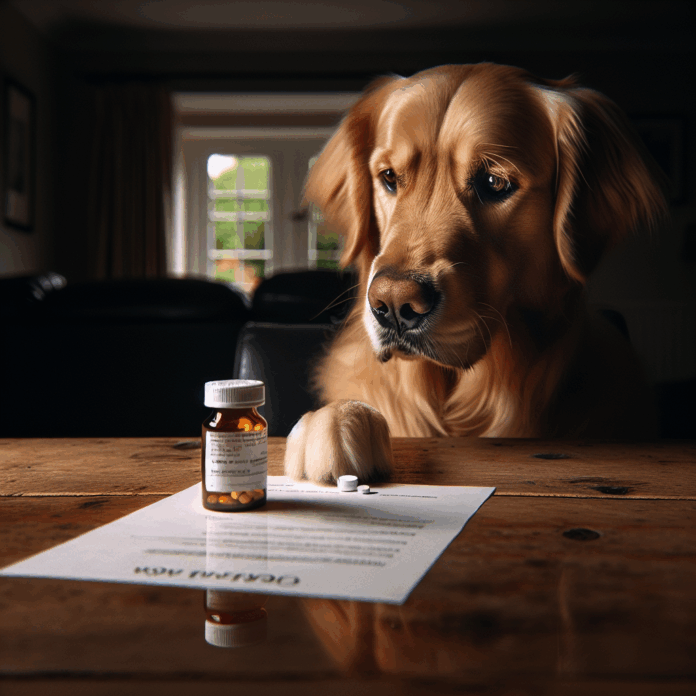
As a responsible dog owner, understanding how to care for your pet includes knowing about appropriate over-the-counter (OTC) medications. While it’s essential to consult a veterinarian for health issues, there are several OTC medications that can assist in managing your dog’s minor ailments. This article will explore some of the most commonly used OTC medications, their uses, and safety considerations, followed by a FAQs section to address common questions.
1. Antihistamines
Diphenhydramine (Benadryl)
Uses: This is commonly used to treat allergies, motion sickness, and certain types of insect bites. Signs of an allergic reaction in dogs include itching, swelling, and hives.
Dosage: The general dosage is 1 mg per pound of body weight, given 2-3 times a day. However, it’s crucial to consult a vet, especially if your dog has existing health issues or is on other medications.
Warnings: Diphenhydramine may cause drowsiness or dry mouth. Dogs with conditions like glaucoma, prostate enlargement, or urinary issues should avoid this medication.
Loratadine (Claritin)
Uses: Loratadine is another antihistamine option that can help manage allergic reactions without the sedative effects seen with Diphenhydramine.
Dosage: The typical dosage is 0.1 mg per pound, daily. Always check with a vet before administering.
Warnings: While it’s generally safer than other antihistamines, monitor for any signs of adverse reactions.
2. Anti-Inflammatory Medications
Aspirin
Uses: Aspirin can help alleviate mild pain and reduce inflammation, often used post-surgery or for arthritis relief.
Dosage: The general guideline is 5-10 mg per pound every 12 hours, but long-term use is not recommended without veterinary advice.
Warnings: Stay vigilant for signs of gastrointestinal issues. Aspirin should not be given to dogs with bleeding disorders or those already on other anti-inflammatories.
Acetaminophen (Tylenol)
Uses: While not commonly recommended for dogs, it can sometimes be used for pain relief in rare cases.
Dosage: The dosage can be complex and dangerous if misused. Some experts suggest it should generally be avoided unless prescribed.
Warnings: Acetaminophen can be toxic to dogs, causing liver damage and death. Never give this medication without veterinary guidance.
3. Digestive Aids
Famotidine (Pepcid)
Uses: Famotidine is effective for treating gastrointestinal issues like upset stomach or acid reflux.
Dosage: Dosages typically range from 0.25 to 0.5 mg per pound once daily.
Warnings: Consult your vet if your dog is taking other medications, as interactions can occur.
Loperamide (Imodium)
Uses: This medication can help manage mild diarrhea but should not be used for diarrhea with blood.
Dosage: The standardized dosage is 0.1 mg per pound, given two to three times daily.
Warnings: It should not be used in collies or dogs with certain other health conditions, as it could cause toxicity.
4. Skin and Coat Care
Hydrocortisone Cream
Uses: A topical anti-inflammatory, this cream can help alleviate itching and irritation from insect bites or allergic reactions.
Application: Apply a thin layer to the affected area but prevent your dog from licking it off (use a cone if necessary).
Warnings: Do not use on deep wounds, infections, or on broken skin without veterinary guidance.
Omega-3 Fatty Acids
Uses: While not a medication in the traditional sense, supplements containing Omega-3 can help improve skin health and coat quality.
Warnings: Always consult with a vet before starting any new supplement regimen.
5. General Health
Electrolyte Solutions (like Pedialyte)
Uses: Great for hydration during episodes of vomiting or diarrhea. Electrolyte solutions can help restore essential nutrients and fluids.
Dosage: Follow the instructions on the package, ensuring it does not contain xylitol, which is toxic to dogs.
Warnings: Seek veterinary attention if your dog is vomiting or experiencing diarrhea for more than 24 hours.
Dog-Safe Vitamins and Minerals
Uses: These can support overall health, especially in older dogs or those with specific deficiencies.
Warnings: Consult a veterinarian for recommendations tailored to your dog’s specific dietary needs to avoid overdosing certain vitamins.
Conclusion
Having a basic understanding of OTC medications that can benefit your dog is valuable for any pet owner. However, remember that these medications are only for minor health concerns. Always consult a veterinarian if you have any doubts or if your dog exhibits severe symptoms. Correct dosages, possible adverse reactions, and any underlying health issues should always be taken into account to ensure the safety and well-being of your canine companion.
Frequently Asked Questions (FAQs)
1. Can I give my dog human medications?
Only if the medication is specifically approved for canine use and under veterinary guidance. Many human medications can be toxic.
2. What is the safest way to determine dosages for my dog?
Consult with your veterinarian for advice tailored to your dog’s specific weight and condition, as dosages can vary greatly.
3. Are OTC medications effective for all dog ailments?
No, OTC medications are suitable for minor issues. Persistent or severe conditions require veterinary attention.
4. Can I use essential oils on my dog?
Many essential oils are toxic to dogs. Always check with your vet before using them.
5. What should I do if my dog shows signs of an allergic reaction?
Seek immediate veterinary attention, especially if there are signs such as swelling, difficulty breathing, or severe itching.
By being informed about these over-the-counter medications, you can take proactive steps to ensure the health and comfort of your beloved dog. Always prioritize professional consultations for any medication decisions.

