Bad breath in dogs, medically known as halitosis, can be more than just an olfactory nuisance; it may signal underlying health issues. While occasional bad breath can be normal, persistent foul odor can indicate dental problems, digestive issues, or systemic health conditions. Thankfully, there are effective remedies to help manage and combat your furry friend’s bad breath. Here’s a comprehensive look at the top seven remedies.
1. Regular Dental Checkups
One of the most effective ways to combat bad breath is through regular dental checkups. Just like humans, dogs require routine dental care to maintain healthy gums and teeth. During these checkups, veterinarians can:
- Identify Dental Issues: Early detection of dental diseases, such as periodontal disease or tooth decay, can prevent more severe complications.
- Deep Cleaning: Professional dental cleanings involve scaling and polishing, which can remove tartar and plaque buildup that contribute to bad breath.
- Preventive Care: Your vet can recommend periodontal treatments or preventive plans tailored to your dog’s specific needs.
2. Daily Brushing
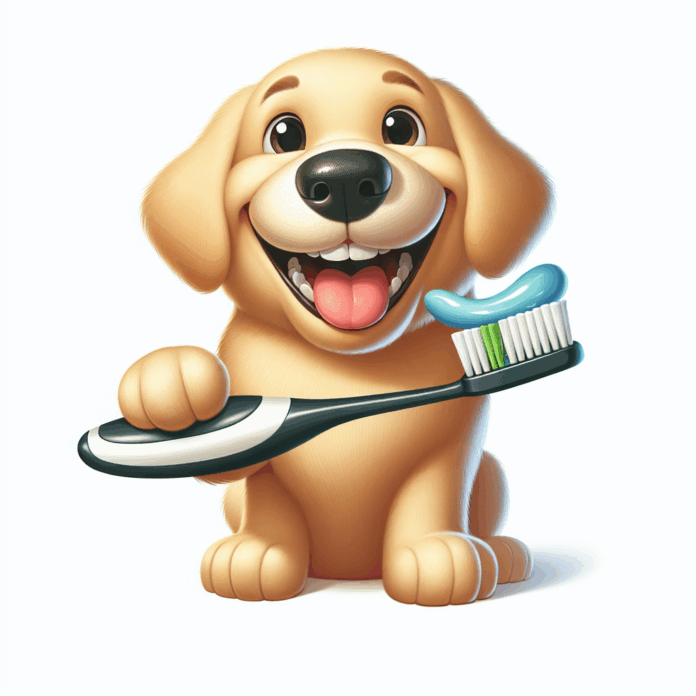
Brushing your dog’s teeth daily is crucial in managing bad breath. While it might sound daunting, with practice, it can become a bonding experience. Here’s how to go about it:
- Use Dog-Specific Toothpaste: Human toothpaste can be harmful to dogs. Always opt for pet-safe toothpaste.
- Choose the Right Brush: Use a toothbrush designed for dogs, which is softer and more adaptable to their mouth size.
- Technique Matters: Focus on the gum line and chew surfaces, as these are the areas where plaque typically accumulates.
3. Dental Chews and Toys
Dental chews and toys can play a significant role in reducing bad breath by mechanically cleaning your dog’s teeth. Here’s why they are effective:
- Mechanical Action: Chewing action helps reduce plaque and tartar buildup, promoting healthier gums.
- Flavorful Treats: Many dental chews come in flavors that dogs love, making it easier to incorporate them into their routine.
- Variety of Options: There are numerous products available, from rubber toys that promote chewing to specific treats endorsed by veterinary dental associations.
When selecting dental chews, look for products with the Veterinary Oral Health Council (VOHC) seal, ensuring they meet specific standards.
4. Fresh Water and Diet
Hydration and diet play essential roles in oral health. Here’s how to utilize them effectively:
- Fresh Water: Ensure your dog has access to clean water at all times. Dehydration can lead to dry mouth, increasing the risk of bad breath.
- Quality Dog Food: A diet high in quality ingredients helps improve oral health. Look for kibble designed to reduce plaque and tartar.
- Healthy Additions: Consider adding fresh fruits and vegetables to your dog’s diet, such as apples or carrots, which can cleanse teeth naturally.
5. Natural Remedies
Several natural remedies can effectively combat bad breath. Here’s a rundown of popular options:
- Parsley: This herb can act as a natural breath freshener. Adding a small amount of fresh parsley to your dog’s food may help reduce odors.
- Coconut Oil: This oil has antibacterial properties that can improve overall oral health. You can try incorporating a teaspoon of coconut oil into your dog’s meals.
- Baking Soda: Used sparingly, baking soda can help neutralize odors. Mix a pinch with your dog’s food, but consult your veterinarian first to ensure it is safe for your pet.
6. Professional Oral Health Products
In addition to regular brushing, consider using specialized oral health products designed to combat bad breath. These include:
- Mouthwashes and Sprays: There are pet-safe dental rinses that can be sprayed into your dog’s mouth to help reduce bacteria.
- Water Additives: These products are incorporated into your dog’s drinking water and can promote oral health without extra effort.
- Dental Wipes: If your dog is resistant to brushing, dental wipes can help clean their teeth and freshen their breath.
Always consult your veterinarian before introducing new products to ensure they are safe and effective for your dog.
7. Monitor Your Dog’s Health
Persistent bad breath can be a sign of more serious health issues. Always keep an eye on your dog’s overall health. If you notice any of the following symptoms, consult your veterinarian:
- Persistent Bad Breath: Continuous foul odor despite regular care.
- Changes in Eating Habits: A sudden reluctance to eat or drink can indicate pain or discomfort.
- Drooling: Excessive drooling can signify dental issues or other health problems.
- Plaque and Tartar: If you notice significant buildup, it may be time for professional cleaning.
FAQs
1. How can I tell if my dog’s bad breath is serious?
If your dog’s bad breath is persistent and accompanied by other symptoms such as vomiting, excessive drooling, or changes in appetite, consult your veterinarian to rule out any underlying health issues.
2. How often should I brush my dog’s teeth?
Ideally, you should brush your dog’s teeth daily. However, even a few times a week can be beneficial in maintaining oral health.
3. Are dental chews safe for all dogs?
Most dental chews are safe, but be sure to choose a product appropriate for your dog’s size and chewing habits. Monitor your dog while they chew to prevent choking.
4. Can diet influence my dog’s breath?
Yes, high-quality dog food and regular access to fresh water can significantly influence your dog’s breath and overall dental health.
5. Are there human foods I can give my dog to help with bad breath?
Certain foods, like crunchy fruits and vegetables (apples and carrots), can help naturally clean your dog’s teeth and reduce bad breath. Always consult your veterinarian before introducing new foods.
6. How can coconut oil help my dog’s breath?
Coconut oil has antibacterial properties that can help inhibit the growth of odor-causing bacteria in your dog’s mouth, making it a natural remedy for bad breath.
7. When should I take my dog to the vet for bad breath?
If your dog’s breath is persistently foul and doesn’t improve with home care measures, or if you notice other concerning symptoms, it’s best to consult your veterinarian promptly.
By taking a proactive approach to dental care and using these home remedies, you can significantly improve your dog’s breath and overall oral health. Remember that consistency is key, and regular veterinary visits will help keep their teeth—and your nose—happy!

