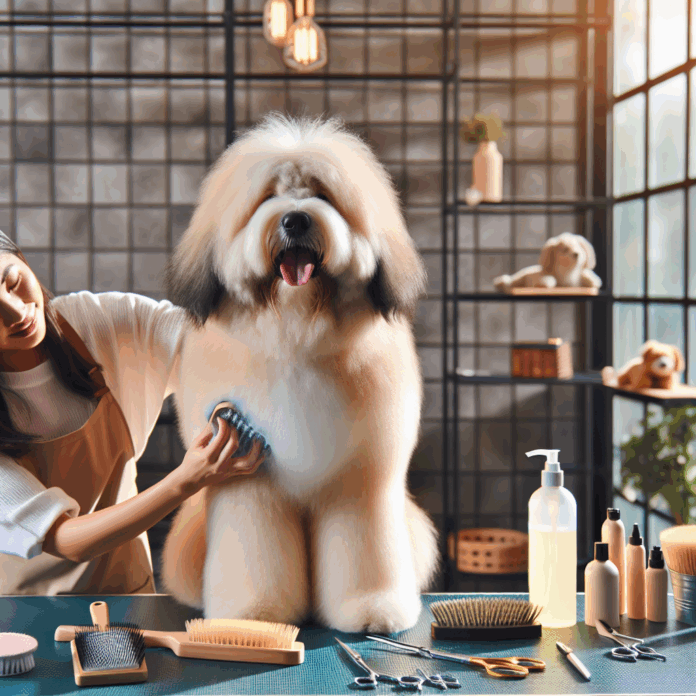
Long-haired dog breeds are known for their majestic coats that can range from silky and flowing to thick and luxurious. These breeds often possess not only stunning appearances but also unique personalities that make them beloved companions. However, owning long-haired dogs comes with its own set of grooming challenges. In this article, we’ll explore the top five long-haired dog breeds and the essential grooming tips that every owner should know.
1. Afghan Hound
Overview
The Afghan Hound is one of the most recognized long-haired breeds, famous for their elegant appearance and unique demeanor. With their long, flowing coats and distinctive facial features, they exude grace and nobility.
Grooming Essentials
- Brushing: This breed requires daily brushing to prevent matting and to keep the coat healthy and shiny. Use a comb and slicker brush specifically designed for long-haired breeds.
- Bathing: Afghan Hounds should be bathed every three to four weeks, depending on their level of activity and exposure to dirt. Use a mild shampoo designed for sensitive skin.
- Trimming: Regular trimming of the hair around the paws and ears can help maintain a neat appearance and keep them comfortable.
2. Shih Tzu
Overview
The Shih Tzu is a toy breed known for its chubby face and long, flowing coat. These charming dogs are affectionate, lively, and make excellent companions for families and individuals alike.
Grooming Essentials
- Brushing: Daily brushing is crucial to prevent tangles and mats. A wide-toothed comb followed by a slicker brush works well for this breed.
- Bathing: Bathe your Shih Tzu every three to four weeks. Use a gentle dog shampoo and conditioner to keep their coat soft and manageable.
- Eye Care: Shih Tzus are prone to tear staining, so regular cleaning with a damp cloth can help manage this issue.
3. Maltese
Overview
The Maltese is another popular toy breed, known for its pure white coat and playful personality. These dogs are gentle and affectionate, making them beloved pets for many households.
Grooming Essentials
- Brushing: Like the Shih Tzu, the Maltese requires regular grooming. Brush at least every other day to prevent tangling.
- Bathing: Bathe your Maltese every two to three weeks. A specialized dog shampoo will help maintain the coat’s whiteness.
- Dental Hygiene: Dental care is important for the Maltese, as they are prone to dental issues. Regular brushing and dental chews can help maintain oral health.
4. Lhasa Apso
Overview
The Lhasa Apso is a sturdy dog breed that hails from Tibet. They are known for their long, flowing coats and confident personalities. Originally bred as a watchdog in monasteries, they make loyal companions.
Grooming Essentials
- Brushing: Daily brushing is essential to keep their coat free of knots and tangles. Pay special attention to the areas behind the ears and under the legs, where mats often form.
- Bathing: Lhasa Apsos should be bathed every three to four weeks with a dog shampoo that is gentle on their skin.
- Ear Care: Clean their ears regularly, as long-haired breeds are prone to ear infections. Use a vet-recommended ear cleaning solution.
5. Yorkshire Terrier
Overview
The Yorkshire Terrier, affectionately known as the Yorkie, is a small breed with a long, silky coat. Their lively personality and affectionate nature make them a favorite among dog lovers.
Grooming Essentials
- Brushing: Daily grooming is critical to prevent matting. Use a wide-toothed comb, followed by a slicker brush for best results.
- Bathing: Yorkies should be bathed every two to three weeks. Look for high-quality shampoos designed for long-haired breeds to keep their coat in optimal condition.
- Clipping: Regular trimming around the face and body can help maintain a tidy appearance while making grooming more manageable.
Grooming Tips for All Long-Haired Breeds
- Invest in Quality Tools: High-quality grooming tools can make a significant difference in managing a long-haired dog’s coat. Look for brushes, combs, and clippers designed for specific coat types.
- Establish a Routine: Regular grooming helps your dog become accustomed to the process, making it easier for both of you.
- Use Detangling Spray: A detangling spray can ease the grooming process and help prevent mats, especially for breeds with wavy or curly coats.
- Seek Professional Help: Don’t hesitate to take your dog to a professional groomer if you feel overwhelmed. They can provide expert care and advice on maintaining your dog’s coat.
- Monitor Skin Health: Long-haired breeds can be prone to skin issues. Keep an eye out for redness, irritation, or excessive scratching.
FAQs
1. How often should I groom my long-haired dog?
You should groom long-haired dogs daily or at least a few times a week to prevent mats and tangles. The frequency can vary depending on the specific breed and coat type.
2. Can I use human shampoo on my dog?
It’s not advisable to use human shampoo on dogs. Use a shampoo specifically formulated for dogs to avoid skin irritation.
3. How do I prevent matting?
Regular grooming is the best way to prevent matting. Make sure to brush your dog thoroughly and pay special attention to areas where mats are likely to form, such as behind the ears and under the legs.
4. Is professional grooming necessary?
While it’s possible to groom your dog at home, professional grooming can be beneficial, especially for breeds that require specialized care. Groomers have the tools and expertise to handle difficult mats safely and style the coat properly.
5. What should I do if I find a mat in my dog’s coat?
If you find a mat, gently work it apart with your fingers or a detangling comb. Avoid pulling or yanking, as this can hurt your dog. If the mat is too tight, consider visiting a groomer to avoid injury.
In conclusion, long-haired dog breeds bring beauty and charm to our lives, but they require dedicated grooming to keep their coats looking their best. By understanding the specific needs of your breed and establishing a regular grooming routine, you can ensure a happy and healthy relationship with your long-haired companion.

