

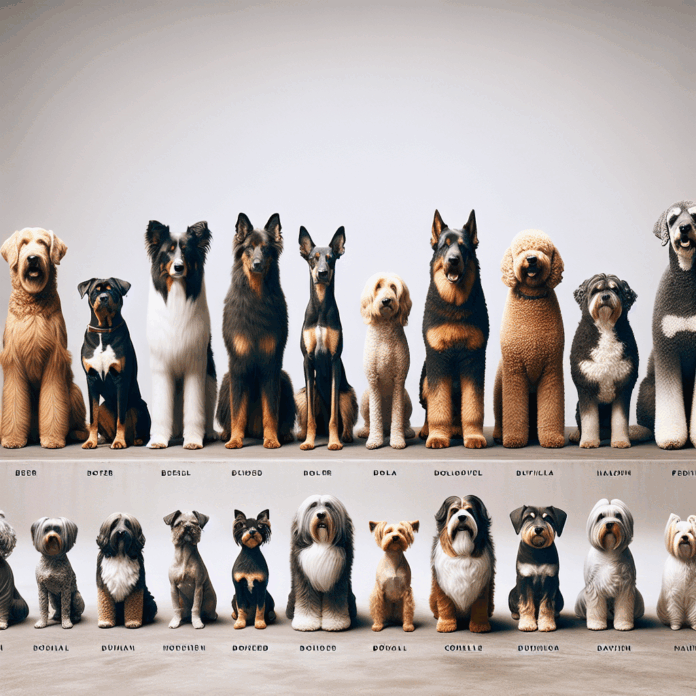
When it comes to canine companions, few groups can rival the charm and appeal of toy breeds. Often characterized by their diminutive size and big personalities, toy group dogs make delightful companions for families, singles, and seniors alike. In this article, we will explore the fascinating world of toy group dog breeds, their traits, history, and what makes them irresistible to dog lovers worldwide.
The Origin of Toy Breeds
Toy breeds have a long and storied history, tracing their origins back to ancient civilizations. Many of these breeds were developed for companionship, serving as lap dogs for nobility. For example, the Chihuahua is believed to have descended from the Techichi, a small dog kept by the ancient Toltecs in Mexico. This lineage exemplifies the close companionship humans have sought with smaller canines throughout history.
As societies evolved, the need for practical working dogs was overshadowed by the desire for companionship, leading to the rise of toy breeds in various cultures. The Toy Group recognized by organizations like the American Kennel Club (AKC) includes breeds such as the Pomeranian, Yorkshire Terrier, and Maltese, each with its unique story and attributes.
Popular Toy Breeds
Chihuahua
- Weight: 2-6 lbs
- Origin: Mexico
- The Chihuahua is known for its bold demeanor despite its tiny stature. These dogs form strong bonds with their owners and can be protective, making them excellent watchdogs.
Pomeranian
- Weight: 3-7 lbs
- Origin: Germany/Poland
- Famous for their fluffy coat and lively personality, Pomeranians are playful and intelligent. They thrive on affection and attention, making them popular among dog lovers.
Yorkshire Terrier
- Weight: 4-7 lbs
- Origin: England
- Known for their distinguished blue and tan coat, Yorkies are feisty and energetic. Their small size belies a big personality, making them wonderful companions for active households.
Maltese
- Weight: 4-7 lbs
- Origin: Malta
- With their long, silky white coat, Maltese dogs exude elegance. They are affectionate, playful, and thrive on human interaction, making them ideal for families.
- Toy Poodle
- Weight: 4-6 lbs
- Origin: Germany/France
- Highly intelligent and trainable, Toy Poodles are versatile and adapt well to different lifestyles. They are known for their hypoallergenic coat, making them a suitable choice for allergy sufferers.
The Charms of Toy Group Breeds
1. Personality Plus
One of the most appealing aspects of toy breeds is their vibrant personalities. Contrary to their size, they often exhibit traits that make them feel larger than life. They can be lively, curious, and affectionate, providing endless entertainment and companionship to their owners. Their capacity for playfulness and affection makes them ideal choices for families with kids or those living alone.
2. Versatile Living
Toy breeds are particularly well-suited for apartment living. Their small size allows them to thrive in smaller spaces, provided they receive daily exercise and mental stimulation. Whether it’s a walk around the block or a romp in the park, these little companions require less space but still need plenty of activity to remain happy and healthy.
3. Low Maintenance Grooming
While grooming needs vary by breed, many toy dogs have simple grooming requirements. Breeds like the Maltese and Poodle need regular grooming to maintain their coats, but their small size means grooming sessions are generally quick. Others, like the Chihuahua, possess short coats that require minimal attention, making them suitable for individuals with busy lifestyles.
4. Lifespan Longevity
Generally, toy breeds enjoy long lifespans, often living into their teens. This longevity means that they can be faithful companions for many years, providing consistent love and joy to their families. Their small size and relative lack of chronic health issues (compared to larger breeds) further contribute to their extended life expectancy.
5. Affectionate Companionship
Toy dogs are known for their affectionate nature. They often seek constant companionship, preferring to cuddle in laps or stay close to their owners. This desire for closeness can strengthen the bond between dog and owner, making them highly devoted pets. Their intuitive nature often allows them to sense their owners’ emotions, providing comfort during tough times.
Challenges with Toy Breeds
While toy breeds are undeniably charming, they come with their own set of challenges:
Fragility: Due to their small size, toy breeds can be more prone to injuries. Care must be taken around larger dogs and children to prevent accidents.
Training Challenges: Some toy breeds can display stubbornness. Early socialization and training are essential to ensure they develop into well-mannered companions.
Barking Tendencies: Smaller breeds tend to be vocal. They may bark to express excitement or alert their owners to perceived threats, which can be a concern in shared living spaces.
- Health Concerns: Toy breeds may be prone to certain genetic health issues, such as patellar luxation or dental problems. Regular veterinary check-ups and responsible breeding practices can mitigate these risks.
Finding Your Perfect Toy Group Companion
Selecting a toy breed involves considering your lifestyle and preferences. Take into account factors like energy levels, grooming requirements, and personality traits. Visiting breeders, rescues, or shelters can provide insight into the specific needs of each breed.
Conclusion
Toy group dog breeds captivate the hearts of many with their engaging personalities and loyal companionship. Understanding their traits and needs can help potential owners make informed decisions, ensuring their tiny tails bring boundless joy to their homes. Whether you’re drawn to a playful Pomeranian or a regal Maltese, a life filled with love and laughter awaits.
FAQs
1. What are toy breeds, and what are their general traits?
Toy breeds are small dog breeds recognized for their diminutive size and big personalities. They are typically affectionate, energetic, and well-suited for companionship and apartment living.
2. What is the lifespan of toy breeds?
Toy breeds generally have long lifespans, often living into their teens. The exact lifespan can vary by breed, so regular veterinary care is essential.
3. Are toy breeds suitable for families with children?
Many toy breeds can be great companions for families, but it’s essential to supervise interactions to prevent accidental injury. Opt for breeds known for their gentle temperament with kids.
4. Do toy breeds require extensive grooming?
Grooming needs vary by breed. Long-haired breeds like Maltese require regular brushing and professional grooming, while short-haired breeds like Chihuahuas need minimal grooming.
5. Are toy breeds prone to health issues?
Some toy breeds may be predisposed to specific health problems. Regular veterinary visits and responsible breeding can help manage these risks.
By embracing the adorable quirks and delightful charms of toy breeds, you can embark on a fulfilling journey filled with companionship, love, and joy.

