

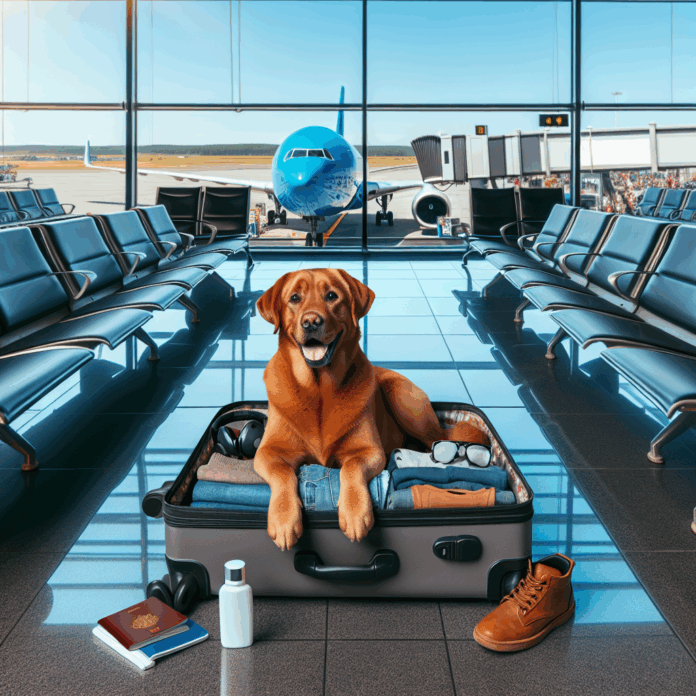
Traveling with your dog can be an incredibly rewarding experience. However, ensuring your furry friend’s comfort and safety during the journey requires some planning, and the right travel crate can make all the difference. In this ultimate guide, we’ll explore everything you need to know about choosing the best travel crate for your dog, tips for a smooth trip, and answers to frequently asked questions.
Understanding Travel Crates
A travel crate serves multiple purposes during your adventures. It provides a secure space for your dog, offering them comfort and safety whether you’re on a road trip, visiting family, or flying to a new destination. Here’s a breakdown of the key benefits of using a travel crate:
Security: Keeps your dog confined and safe, preventing them from jumping around the vehicle or becoming a distraction while you drive.
Comfort: A familiar space can help your dog feel at ease in unfamiliar surroundings.
Compliance: Most airlines and hotels require dogs to be in a crate during travel. Meeting these requirements ensures a smoother experience.
- Safety in Emergencies: In case of sudden stops, accidents, or other emergencies, a crate can significantly reduce the risk of injury.
Choosing the Right Travel Crate
1. Size Matters
Selecting the correct size crate is crucial. Your dog should be able to stand, turn around, and lie down comfortably inside. Measure your dog’s height and length and consult a sizing chart from the manufacturer.
Tips for sizing:
- For height, measure from the ground to the top of your dog’s head while standing.
- For length, measure from the tip of your dog’s nose to the base of its tail.
2. Material Selection
Travel crates are available in various materials, each with its pros and cons.
Soft-sided crates: Lightweight and portable, these are ideal for smaller dogs and short trips. However, they may not provide adequate support for larger breeds or longer journeys.
Hard-sided crates: Made of plastic or heavy-duty metal, these crates offer more durability. They are often required for air travel and provide excellent protection.
- Wire crates: These are versatile and easy to set up. They are suitable for both home and travel but may not provide the same level of security as hard-sided crates in motion.
3. Safety Features
Look for crates with safety features such as:
- Secure locks that prevent accidental escapes.
- Vents for ventilation, to ensure your dog has a comfortable climate inside.
- Non-slip feet to keep the crate in place during transport.
4. Portability
Consider how easy the crate is to carry. Features like collapsibility, lightweight materials, and built-in handles can make a significant difference during your travels.
5. Airline Approved
If you’re flying, ensure your crate meets the airline’s specific requirements. Most airlines have guidelines on the crate size, materials, and ventilation. It’s wise to check these specifications before purchasing a travel crate.
Preparing Your Dog for Travel
Acclimating your dog to their travel crate is essential for a stress-free journey. Here are some steps to help ease the transition:
Familiarization: Introduce your dog to the crate well in advance. Encourage them to explore and get comfortable inside by using treats, toys, and positive reinforcement.
Short Sessions: Practice short trips with your dog in the crate. Gradually increase the duration to help your pet acclimate to longer journeys.
Comfort Items: Adding a familiar blanket or toy can help your dog feel more secure while traveling.
- Exercise Before Travel: Give your dog plenty of exercise before the journey. A long walk or play session can help reduce anxiety and give them a chance to burn off energy.
Tips for Travel Day
On the day of travel, consider the following tips:
Hydration and Food: Ensure your dog is hydrated, but be cautious about feeding them immediately before the trip to avoid motion sickness. Offer water during breaks.
Frequent Breaks: Take regular stops during your journey to give your dog a chance to stretch their legs and relieve themselves.
Comfortable Temperature: Ensure the car is a comfortable temperature. Avoid leaving your dog in a hot vehicle, as it can be dangerous.
Familiar Smells: A piece of your clothing can help soothe your dog during travel by providing a sense of familiarity.
- Check for ID: Always double-check that your dog has proper identification, including a collar with tags and a microchip if necessary.
Post-Travel Care
Once you reach your destination, help your dog adjust to their new environment:
Set Up a Safe Space: Create a comfortable area with their crate, familiar items, and bedding.
Monitor Behavior: Keep an eye on your dog for signs of stress or anxiety, which are normal after travel.
- Routine: Establish a routine for feeding, walking, and playtime to help your dog acclimate to the new setting.
FAQs
1. How do I choose the right size travel crate?
Measure your dog’s height and length, then consult the manufacturer’s sizing chart. Your dog should be able to stand, turn around, and lie down comfortably.
2. Can I use a regular crate for travel?
Regular crates may not be suitable for travel. If you’re flying, check the airline’s specific requirements for crates, as they often have regulations regarding materials and ventilation.
3. Will my dog be comfortable in a crate during travel?
If properly acclimated, most dogs feel secure in their crates. Make sure to introduce the crate well in advance, using familiar items like blankets or toys.
4. What’s the best technique to minimize my dog’s anxiety during travel?
Gradual acclimatization to the crate, familiar scents, and maintaining a calming environment can help reduce anxiety. Provide breaks for exercise and bathroom needs during long trips.
5. How can I prevent motion sickness in my dog?
Avoid feeding your dog immediately before travel, and ensure they are familiar with the crate. Consult your veterinarian if you have ongoing concerns about motion sickness.
6. What should I do if my dog gets anxious while traveling?
If your dog shows signs of anxiety, try to redirect their attention with toys or treats. Creating a positive association with travel through gradual exposure can also help in the long run.
Conclusion
Traveling with your dog can be an adventure of a lifetime, but it requires careful planning and consideration—especially when it comes to choosing the right travel crate. By understanding your dog’s needs and preparing accordingly, you can ensure that both you and your furry friend have a comfortable, enjoyable journey. Happy traveling!

