

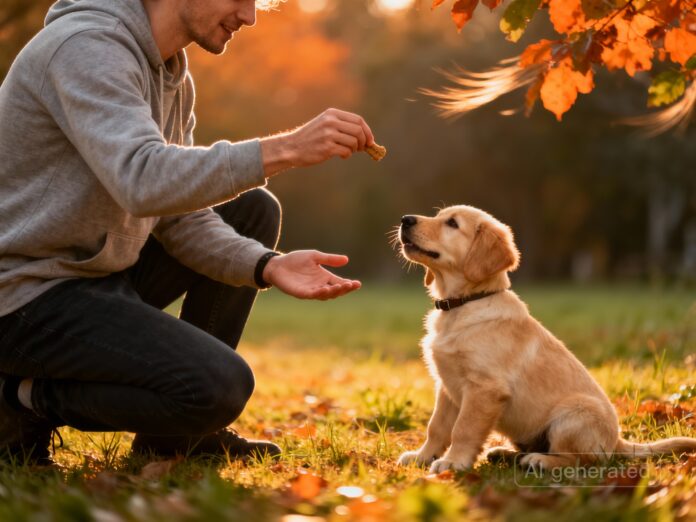
Bringing a dog into your life is an exciting and rewarding experience, but it comes with responsibilities that require dedication and knowledge. One of the most important aspects of responsible dog ownership is effective training.
For first-time dog owners, understanding which commands to teach can create a well-mannered, safe, and happy pet. Based on popular recommendations from experienced trainers and dog enthusiasts, here are ten essential commands every beginner should teach.
Mastering these commands not only promotes good behavior but also strengthens the bond between dog and owner while ensuring your dog’s safety in various situations.
1. Sit – The Foundation of Good Behavior
The “Sit” command is often the first instruction taught to dogs. It helps establish calmness, respect, and serves as the foundation for more complex commands.
To teach it:
Hold a treat close to your dog’s nose and move your hand upward. As their head follows, their bottom will naturally lower to the ground. When they sit, say “Sit” and reward them. Repeat until the word and action connect.
2. Stay – Building Patience and Control
The “Stay” command teaches patience and self-control. It’s crucial for safety—especially near roads or when guests arrive.
Ask your dog to sit first, then open your palm and say “Stay.” Take a few steps back. If your dog remains still, return and reward them. Gradually increase distance and time.
3. Come – Promoting Safety and Reliability
The “Come” command can literally save a dog’s life. It ensures your dog returns when called, preventing accidents or dangerous situations.
Start in a safe area using a leash. Say “Come!” in an upbeat tone and reward your dog for running to you. Practice often until they respond quickly, even with distractions.
4. Down – Encouraging Calmness and Obedience
“Down” teaches your dog to lie quietly and relax, promoting calm behavior.
From a sitting position, lower a treat from your dog’s nose to the floor. As they follow it down, say “Down.” Once they lie completely flat, reward and praise them.
5. Leave It – Protecting Your Dog’s Health and Safety
The “Leave it” command prevents dogs from grabbing harmful or unwanted objects.
Hold a treat in your closed hand. When your dog stops sniffing or pawing at it, say “Leave it” and reward them with a treat from your other hand. Practice by placing treats on the floor and reinforcing the command.
6. Drop It – Ensuring Safety and Control
“Drop it” teaches your dog to release items from their mouth, which can prevent choking or damage.
When your dog holds a toy, say “Drop it” and offer a treat. As they release the toy, reward immediately. Repeat until they respond reliably.
7. Touch – Enhancing Engagement and Focus
“Touch” is a fun, positive command that builds engagement and can help redirect attention.
Hold out your hand. When your dog touches it with their nose, say “Touch” and reward. Gradually increase the distance. This can be useful for recall and distraction management.
8. Heel – Promoting a Calm Walking Experience
The “Heel” command teaches your dog to walk calmly at your side.
Start walking with your dog on a leash beside you. Say “Heel,” and if they pull, stop and reset. Reward when they walk beside you correctly. Consistency makes walks enjoyable and controlled.
9. Wait – Instilling Patience and Control
“Wait” teaches your dog to pause, often used at doors or before meals.
Have your dog sit. Hold up your hand and say “Wait.” Take a small step away, then return and reward them if they stayed put. Slowly increase duration and distance.
10. Off – Establishing Boundaries
The “Off” command stops jumping and teaches boundaries around people and furniture.
If your dog jumps up, say “Off” firmly while guiding them down. When they comply, reward with praise or a treat. Be consistent to reinforce respect and manners.
Conclusion
Training your dog takes time, patience, and consistency—but the rewards are enormous.
By mastering these ten essential commands—Sit, Stay, Come, Down, Leave It, Drop It, Touch, Heel, Wait, and Off—you’ll have a happy, confident, and well-behaved companion.
Responsible training not only ensures safety but deepens the trust and connection between you and your dog.
Happy training! ????

