

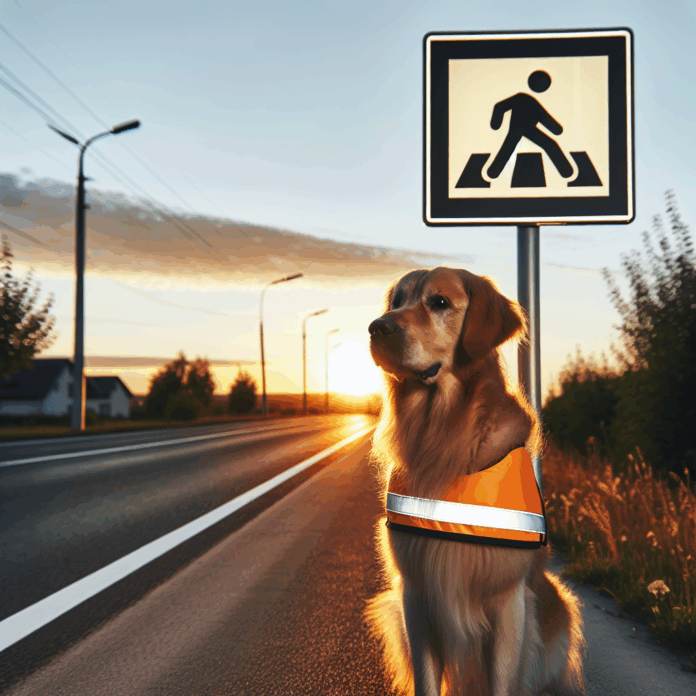
When it comes to our beloved furry companions, their safety and well-being are always a top priority. Accidents can happen at any time, whether it’s a minor injury from an enthusiastic play session or a more serious incident on a hike. Just as humans have first aid kits for emergencies, pets deserve the same level of preparedness. This article outlines what your pet’s first aid kit should include, ensuring you’re ready for anything that may happen.
Why You Need a Pet First Aid Kit
Just as you equip your home and car with first aid supplies, having a pet first aid kit is essential for responding to emergencies. Quick reactions can make a significant difference in the outcomes of minor injuries like cuts and scrapes or more severe situations like choking or allergic reactions. A well-stocked kit allows you to provide immediate care until you can get your pet to a veterinarian.
Key Benefits:
- Quick Response: Immediate access to essential supplies can slow down bleeding or stabilize your pet until professional help arrives.
- Peace of Mind: Knowing you have the necessary supplies on hand can ease your anxieties during emergencies.
- Versatility: A well-equipped kit can handle various scenarios, whether at home, in the car, or during outdoor adventures.
Essential Items for Your Pet’s First Aid Kit
1. Bandages and Gauze
- Self-Adhesive Bandages: These are great for wrapping around wounds and securing dressings.
- Sterile Gauze Pads: Useful for absorbing blood and protecting open wounds.
- Adhesive Tape: Helps to secure gauze or bandages in place.
2. Antiseptic Solutions
- Veterinary-Approved Antiseptics: These can be used on cuts and scrapes to prevent infection. Avoid human-grade antiseptics as they may contain harmful ingredients.
3. Disposable Gloves
- Keeping a pair of these in your kit ensures sanitary conditions when treating wounds, preventing the transfer of bacteria.
4. Scissors
- A pair of blunt-tipped scissors can safely cut bandages or fur around a wound, but be careful not to injure your pet.
5. Tweezers
- Tweezers can help remove splinters, ticks, or other foreign objects lodged in your pet’s skin.
6. Digital Thermometer
- A digital thermometer specifically designed for pets can help you quickly check for fever. Normal temperature for dogs and cats ranges between 100.5°F to 102.5°F.
7. Instant Cold Pack
- This item is useful for treating minor sprains, strains, or swelling. They can be activated and applied to affected areas.
8. Pet-Safe Pain Relievers
- Check with your vet for approved medications like certain formulations of aspirin or other pain relievers safe for pets. Do not administer human medication without professional guidance.
9. Emergency Contact Information
- Keep a list of emergency numbers for your veterinarian, local animal hospital, and poison control hotline. Having this information handy can save precious time in emergencies.
10. Muzzle or Soft Collar
- A muzzle can prevent biting if your pet is in pain. Ensure it’s a soft, adjustable style to keep your pet comfortable.
11. Pet Leash
- A sturdy leash can be useful for securing your pet during a medical emergency, especially if they are agitated or in pain.
12. Hydrogen Peroxide
- This can be used for inducing vomiting in cases of poisoning, but consult your vet before doing so, as vomiting isn’t safe for all situations.
13. Pet Food and Water Supplies
- Keeping a small container of dog food or cat food can be helpful in case your pet needs to be transported for treatment. A collapsible water bowl can also be included for hydration during emergencies.
14. Flea and Tick Treatment
- A quick-acting topical treatment or a flea and tick collar can be essential in case of bites or infestations.
15. Pet-Safe Wipes
- Gentle, alcohol-free wipes can be used to clean minor wounds or to freshen up your pet.
16. Thermal Blanket
- A thermal blanket can help prevent hypothermia in pets that are injured or in shock.
Keeping Your Kit Updated
Having a pet first aid kit is not a "set it and forget it" solution. Regularly check the kit for expired medications, empty supplies, or any missing items. Update it based on your pet’s specific needs and any changes in their health.
Basic First Aid Procedures
Knowing how to use your first aid kit appropriately is crucial:
- Wound Treatment: Clean the wound with antiseptic, and apply sterile gauze or bandages. If bleeding is severe, apply pressure with a clean cloth.
- Choking: If your pet is choking and you can see the object, attempt to remove it using tweezers. If it’s deep, perform the Heimlich maneuver or take them immediately to a vet.
- Burns: Cool the area with cold running water and cover with a non-stick bandage. Avoid ice, as it can further damage the tissue.
- Poisoning: If you suspect your pet has ingested something harmful, consult your vet or a poison control hotline immediately.
Conclusion
A pet first aid kit is an essential part of responsible pet ownership. By taking the time to assemble a comprehensive kit, you not only equip yourself with the tools necessary to handle emergencies but also provide your pet with the best possible care in unexpected situations. Remember, prevention is always better than cure, but being prepared ensures that you can act swiftly and effectively when every second counts.
Frequently Asked Questions
1. How often should I check my pet’s first aid kit?
It’s advisable to check your kit every six months to ensure all supplies are intact and not expired.
2. Can I use human first aid supplies on my pet?
Some human products may be safe, but many can be harmful. Always consult your vet before using any human medication or antiseptics on your pet.
3. Is it necessary to have a pet-specific thermometer?
Yes, pet-specific thermometers are designed for safe use in animals and generally provide faster results.
4. What should I do if I’m unsure about treating my pet’s injury?
If you’re uncertain or if the situation seems serious, it’s best to take your pet to a veterinarian immediately.
5. What is the best place to store my pet’s first aid kit?
Keep your kit in a cool, dry place that is easily accessible but out of reach of your pets.
By being prepared and informed, you can ensure that your furry friends stay safe and healthy, leading to many tail-wagging adventures ahead!

