

Hip dysplasia is a prevalent canine condition that affects many dogs, particularly those of large breeds. As a dog owner, it is imperative to be aware of this disorder to ensure your pet’s health and well-being. This guide will provide comprehensive insights into spotting hip dysplasia, its symptoms, diagnosis, treatment options, and preventive measures.
Understanding Hip Dysplasia
Hip dysplasia occurs when the hip joint doesn’t fit snugly into the hip socket, leading to varying degrees of instability and wear over time. This condition can be caused by genetic factors, nutritional imbalances, developmental issues, and excessive growth rates.
Common Breeds Affected
While hip dysplasia can affect any dog, larger breeds are more susceptible. Some common breeds include:
- German Shepherds
- Golden Retrievers
- Rottweilers
- Boxers
- Saint Bernards
Smaller breeds can also develop this condition, but it’s less common.
Symptoms of Hip Dysplasia
Recognizing the early signs of hip dysplasia is crucial for prompt treatment. Here are some symptoms to look out for:
1. Limping
Observe your dog during walks. Limping, especially after exercise, can indicate joint pain. Initially, it may be mild, but it can worsen over time.
2. Difficulty Rising
If your dog struggles to stand up from a sitting or lying position, this may suggest pain or discomfort in the hips.
3. Reduced Activity Level
A dog with hip dysplasia may become less active, preferring to rest rather than engage in play or walks.
4. Unusual Sitting Position
Look for signs of discomfort when your dog sits. Dogs with hip dysplasia might sit with their legs extended, rather than tucked under them.
5. Stiffness After Rest
Stiffness after a period of inactivity, such as sleeping or napping, is another sign to watch. Your dog may take a few moments to start walking normally after getting up.
6. Popping or Clicking Sounds
While not always audible, some dogs may produce clicking or popping sounds in their hips when moving, which can indicate joint instability.
7. Excessive Licking or Biting
Dogs may lick or bite at their hips or rear legs to soothe pain, which can lead to skin irritation.
Diagnosing Hip Dysplasia
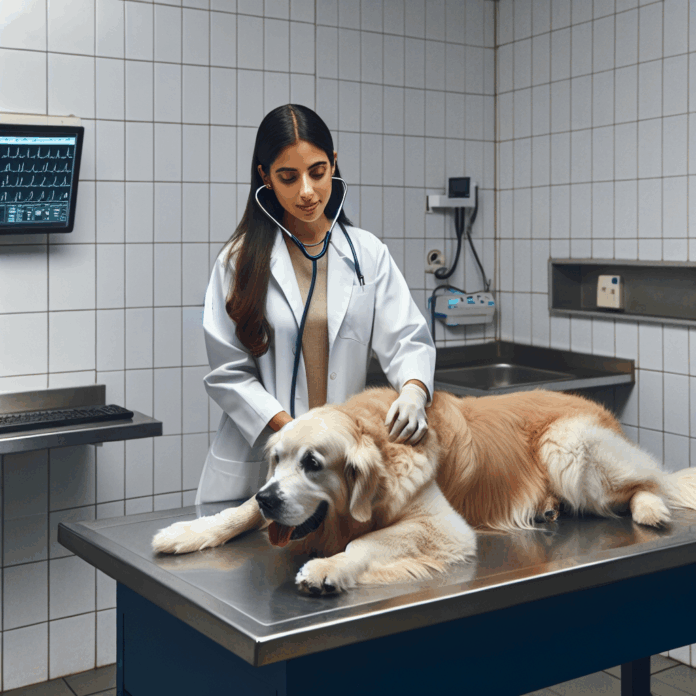
If you suspect your dog has hip dysplasia, consulting a veterinarian is essential. Diagnosis typically involves:
1. Physical Examination
Your veterinarian will conduct a physical examination, assessing your dog’s hip movement, flexibility, and any visible signs of pain.
2. X-Rays
X-rays are crucial for diagnosing hip dysplasia. They provide a clear view of the hip joint, allowing the veterinarian to assess the joint’s structure and degree of dysplasia.
3. Joint Function Evaluation
In some cases, a veterinarian may assess joint function through various tests to determine how the hips align and function during movement.
Treatment Options for Hip Dysplasia
Treatment for hip dysplasia can vary based on the severity of the condition. Some options include:
1. Weight Management
Maintaining a healthy weight is one of the most effective ways to reduce stress on the hips. Your veterinarian may suggest a specialized diet and exercise regimen.
2. Physical Therapy
Therapeutic exercises, water therapy, and other physical therapies can help strengthen the muscles around the hip joint, improving stability and flexibility.
3. Medications
Nonsteroidal anti-inflammatory drugs (NSAIDs) can effectively manage pain and inflammation. Your vet might prescribe other medications or supplements, like glucosamine or chondroitin.
4. Surgery
In more severe cases, surgical options may be necessary. These may include:
- Double or Triple Pelvic Osteotomy (DPO/TPO): A procedure to realign the hip joint.
- Total Hip Replacement (THR): In severe dysplasia cases, a complete hip replacement may be required.
Prevention of Hip Dysplasia
While genetics play a significant role in hip dysplasia, there are preventive measures you can take:
- Choose Healthy Breeding Practices: Ensure your dog comes from a responsible breeder who screens for hip dysplasia.
- Manage Weight: Keeping your dog at a healthy weight can help reduce stress on the hips.
- Control Exercise: Allow for controlled and moderate exercise, especially during puppyhood, to avoid excessive joint strain.
- Nutrition: Provide a balanced diet rich in nutrients that support bone and joint health.
Conclusion
As a dog owner, being aware of the signs and symptoms of hip dysplasia is crucial for early detection and intervention. Regular veterinary check-ups, proper nutrition, and weight management can all contribute to your dog’s overall hip health. Early diagnosis and treatment can significantly improve your dog’s quality of life, helping them remain active and engaged in their favorite activities.
Frequently Asked Questions (FAQs)
1. Can any dog get hip dysplasia?
Yes, while larger breeds are more susceptible, any dog can develop hip dysplasia, including smaller breeds.
2. Is hip dysplasia a painful condition?
Yes, hip dysplasia can cause significant pain and discomfort as it leads to joint instability and arthritis over time.
3. At what age can hip dysplasia be diagnosed?
Hip dysplasia can sometimes be diagnosed as early as four months of age, but it’s typically diagnosed through X-rays when the dog is older.
4. How is hip dysplasia treated?
Treatment options range from weight management and physical therapy to medications and surgery, depending on the severity of the condition.
5. Can hip dysplasia be cured?
There is no cure for hip dysplasia, but symptoms can be managed effectively with a combination of treatments and lifestyle changes.
6. How can I prevent hip dysplasia in my dog?
You can reduce the risk by choosing a reputable breeder, providing balanced nutrition, managing weight, and controlling exercise, especially in puppies.
7. Is hip dysplasia hereditary?
Yes, hip dysplasia is often hereditary, making it essential to research the lineage of the dog before breeding.
By thoroughly understanding hip dysplasia, dog owners can take proactive measures to manage this condition and enhance their pet’s quality of life. Always consult your veterinarian with concerns and for tailored advice on your dog’s health.

