

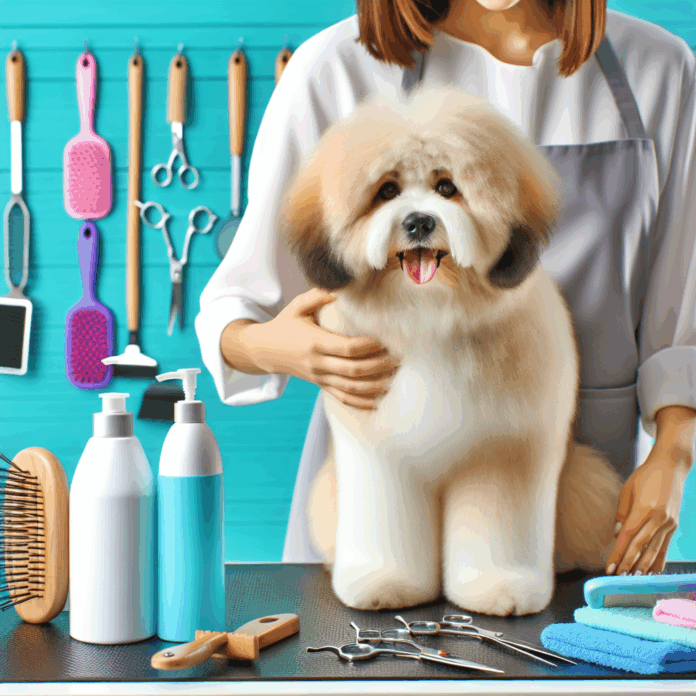
Bath time can be a daunting experience for both pets and their owners. Many dogs and cats view this essential grooming routine with dread, often leading to struggles and frustration. However, bath time doesn’t have to be a battle! With the right mindset, tools, and techniques, you can transform your pet’s bath time into a fun and enjoyable “Splash Zone.” This article will delve into various strategies for making bath time enjoyable, ensuring both you and your furry friend have a pleasant experience.
Understanding Your Pet’s Perspective
It’s essential to recognize that many pets are naturally wary of water. For reasons ranging from previous negative experiences to the unfamiliar sights and sounds associated with bathing, a pet may react negatively to the prospect of a bath. Understanding these fears is the first step in helping your pet feel more comfortable.
Common Fears Associated with Bath Time:
- Water: Many pets dislike water due to its unpredictability. They might be startled by water splashing or the sound of running water.
- Slippery Surfaces: The bath or shower floor can feel slippery and unstable, adding to their anxiety.
- Holding Still: Pets often resist the idea of being confined in one space while washing.
- Restraint: Some pets dislike being held in place during the bathing process.
Creating a Positive Bath Experience
1. Choose the Right Location
Finding a suitable spot for bath time is crucial. Depending on your pet’s size, you can choose between:
- Bathtub: Perfect for larger breeds, but can be intimidating for smaller pets.
- Sink: Great for smaller dogs or cats, providing a confined space that feels secure.
- Outdoor Facilities: If the weather permits, bathing your pet outside can add an element of fun and exploration.
2. Temperature Matters
A comfortable water temperature sets the stage for a pleasant experience. Make sure the water is warm but not hot. Test the water with your wrist to ensure it’s suitable for your furry friend.
3. Use the Right Tools
Well-designed bath tools can make a significant difference. Here’s what you need to consider:
- Pet Shampoo: Opt for a gentle, pet-friendly shampoo that suits your pet’s coat type or any specific skin issues.
- Brushes: A good brush can help you remove excess fur and dirt before the bath, making cleanup easier.
- Towels: Have plenty of towels on hand for drying off. Consider using a microfiber towel for extra absorbency.
- Non-slip Mat: Placing a non-slip mat in the tub or sink can help your pet feel secure and avoid slipping.
4. Introduce Water Gradually
Avoid overwhelming your pet with water all at once. Introduce them to the bath or washing area slowly, allowing them to investigate and become comfortable with their surroundings. Start with a damp washcloth and gently wipe their paws or face to acclimate them.
5. Make It a Game
Turning bath time into a game can significantly reduce anxiety. Use toys or floating objects to engage your pet, encouraging them to associate bath time with fun. Consider using treats as rewards for good behavior, reinforcing positive associations.
6. Enlist Help
If your pet struggles, don’t hesitate to ask for help. Another person can assist by holding your pet gently, allowing you to focus on bathing. They can also offer treats or distractions, ensuring your pet remains calm.
7. Stay Calm and Positive
Your demeanor sets the tone for your pet’s experience. Stay calm, speak in soothing tones, and practice patience. If your pet senses your anxiety, they are more likely to become stressed.
8. After-Bath Rewards
Once bath time is over, it’s essential to reinforce the positive experience with rewards. Offer treats, praise, or engage in a fun activity to create positive associations with the bath. Consider a special play session or a tasty treat afterward.
Understanding Grooming Beyond the Bath
Bathing is just one aspect of grooming. Regular brushing, nail trimming, and dental care are crucial for your pet’s overall well-being. Ensuring your pet is regularly groomed contributes to a healthier coat, reduced shedding, and better hygiene. Consider building these practices into your routine, using the same principles for positive reinforcement to make them enjoyable.
FAQs About Bathing Pets
1. How often should I bathe my pet?
The frequency of bathing depends on your pet’s breed, coat type, and lifestyle. Typically, dogs should be bathed every four to six weeks, while cats may require less frequent baths. Always consult your veterinarian for specific recommendations.
2. What type of shampoo should I use?
Use a shampoo designed specifically for pets to avoid skin irritations. Look for pH-balanced, hypoallergenic formulas and those that suit your pet’s coat type or any specific needs (like sensitive skin or flea control).
3. How can I prevent my pet from being fearful of water?
Gradually acclimate your pet to water by introducing them to it slowly. You can use positive reinforcement, treats, and calming routines to help them associate water with good experiences, not fear.
4. What if my pet dislikes baths entirely?
Consider alternative options, such as dog-friendly washes that don’t require rinsing. You can also try dry shampoo sprays designed for pets. Alternatively, look into professional grooming services that specialize in fearful animals.
5. Is it safe to use human shampoo on my pet?
No, human shampoos are not formulated for pets and can disrupt the natural pH balance of their skin, leading to irritation or allergies. Always opt for shampoos specifically designed for animals.
Conclusion
Bathing your pet doesn’t have to be a source of stress or anxiety. By understanding their fears, creating a comfortable environment, and turning it into an enjoyable experience, you can make bath time a joyful occasion. With a little creativity, patience, and positive reinforcement, you can easily transform bath time into a fun and engaging “Splash Zone” for your furry friend. Remember, the goal is to create lasting positive memories and promote a healthy grooming routine, which will contribute to a happy and healthy pet.

