

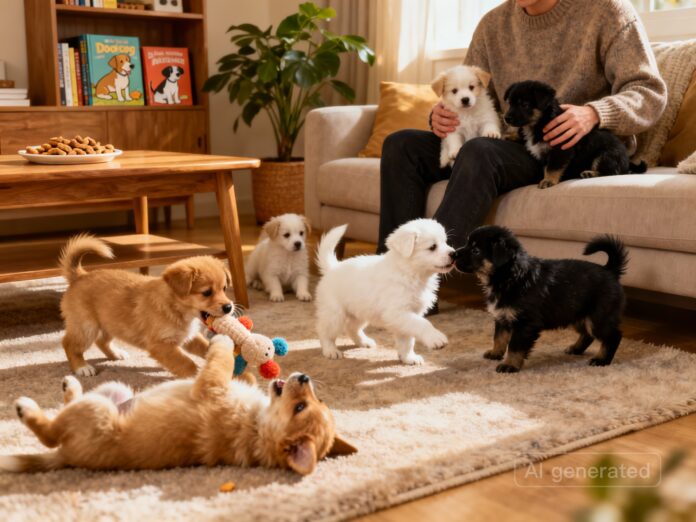
Socializing your puppy is one of the most important steps in raising a well-adjusted and friendly dog. Proper socialization helps your puppy develop confidence, reduce fear and anxiety, and become more adaptable to new environments and experiences. This process involves exposing your puppy to a variety of people, animals, environments, and experiences in a positive manner. Below is a comprehensive guide on how to socialize your puppy effectively.
Why Socialization is Important
- Behavioral Development: Early socialization helps your puppy learn how to interact appropriately with other dogs and people. A well-socialized dog is generally more balanced and less likely to develop behavior problems.
- Fear Reduction: Puppies that are not socialized may grow up to be fearful of new experiences, which can lead to anxiety and aggression. Socialization helps them learn that new experiences are safe and not to be feared.
- Adaptability: Dogs who are socialized early are more adaptable to different environments. They tend to cope better when they encounter unfamiliar situations.
The Critical Period for Socialization
The critical period for socialization occurs between 3 and 14 weeks of age. During this time, puppies are like sponges, absorbing their surroundings. It’s essential to expose them to as many positive experiences as possible during this window to build a strong foundation for their future behavior.
Steps for Socializing Your Puppy
1. Early Exposure
- Start Early: Begin socializing your puppy as soon as you bring them home. Introduce them to different people, including babies, children, and adults.
- Visit Different Places: Take your puppy to various locations, such as parks, pet stores, and busy streets. This exposure helps them learn to navigate different environments.
- Introduce Different Sounds: Familiarize your puppy with various sounds, such as doorbells, vacuum cleaners, and traffic noises. Play recordings of these sounds at a low volume, gradually increasing the volume as your dog becomes accustomed.
2. Positive Experiences
- Use Treats and Praise: Reinforce positive experiences with treats, praise, and affection. When your puppy encounters something new, reward them for calm behavior.
- Make it Fun: Incorporate playtime into socialization. Play with other dogs or engage with people to create a positive association with new experiences.
- Be Patient: Some puppies may be more cautious than others. Allow your puppy to approach new experiences at their own pace.
3. Introducing Other Dogs
- Puppy Playdates: Arrange playdates with vaccinated, well-behaved dogs. Ensure that interactions are supervised and positive.
- Puppy Classes: Enroll your puppy in a socialization class led by a professional trainer. These classes are specifically designed to expose young dogs to various stimuli in a controlled environment.
- Observe Body Language: Watch for signs of stress or discomfort in your puppy. If they seem overwhelmed, give them a break and allow them to retreat to a safe space.
Socialization with People
- Diverse Exposure: Introduce your puppy to a variety of people. This includes people wearing different clothing, carrying bags, or using assistive devices.
- Kids and Loud Noises: If you have children, involve them in the socialization process. Teach kids how to appropriately interact with puppies. Expose your puppy to loud noises, like hats, bikes, and umbrellas.
- Gentle Approach: Encourage people to approach your puppy gently. Avoid forcing interactions; let your puppy come to them at their comfort level.
Handling Different Situations
1. Car Rides
Take your puppy on short car rides to help them become comfortable traveling. Use a dog seatbelt or crate for safety, and make the rides enjoyable by bringing treats and toys.
2. Vet Visits
Make visits to the veterinarian a positive experience. Treats and affection can reinforce good behavior in the clinic setting. Try to bring your puppy to the vet just to socialize, not exclusively for vaccinations or treatments.
3. Exposure to Various Environments
Socialize your puppy in different settings, from busy urban areas to quiet rural settings. Each environment offers unique stimuli, helping your puppy learn to adapt.
Monitoring Progress and Adjusting Techniques
- Track Progress: Keep a journal of your puppy’s experiences and behaviors during socialization. Noting improvements and areas for further work can guide your training approaches.
- Be Adaptable: If a particular experience seems too overwhelming for your puppy, scale back and try again later. Every puppy is different; what works for one may not work for another. Adjust your techniques based on your puppy’s reactions.
Conclusion
Socializing your puppy is not just about exposure; it’s about creating positive, enriching experiences. By introducing your puppy to the world around them in a controlled and rewarding manner, you lay the groundwork for a confident, friendly, and well-adjusted adult dog. Remember that the key to successful socialization is patience and consistency. Take your time, enjoy the process, and celebrate your puppy’s growth and development.
By starting socialization early and providing ongoing positive experiences, you can help ensure that your puppy grows into a well-mannered dog who is not only a joy to be around but a great companion for you and your family. Embrace this crucial phase of development and take the time to work with your puppy; the effort you invest now will yield long-term rewards.

