

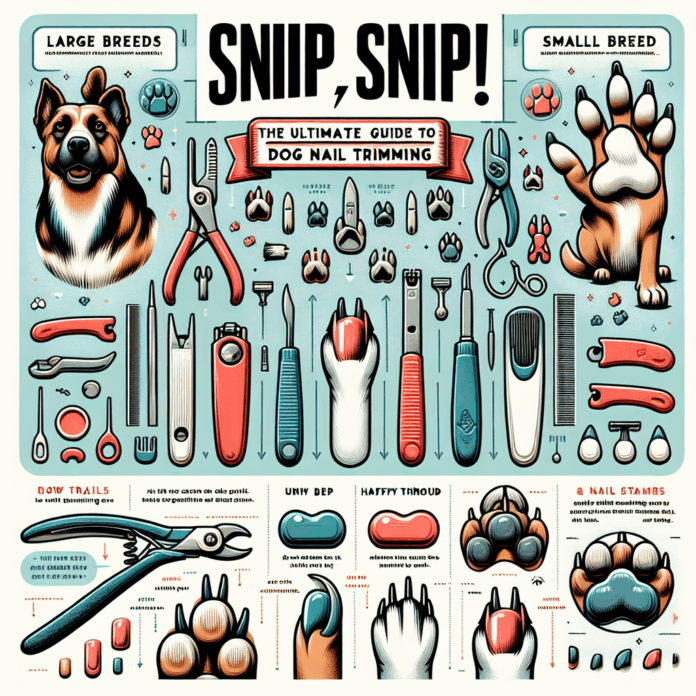
Trimming your dog’s nails is an essential part of pet care that often gets overlooked. Yet, it’s crucial for their overall health and wellbeing. Long nails can lead to discomfort, affect your dog’s posture, and even cause injuries. In this comprehensive guide, we’ll explore everything you need to know about trimming your dog’s nails, from preparation to technique, and even include a FAQ section to address common concerns.
Why Regular Nail Trimming Matters
1. Health Benefits
Regular nail trimming helps prevent a number of health issues:
- Paw Comfort: Long nails can curl and dig into the paw pads, causing pain and potential injury.
- Joint Health: Overgrown nails can alter a dog’s walking style, leading to joint problems over time.
- Reduced Risk of Accidents: Tripped dogs are more prone to injuries. Keeping nails short helps minimize slips and falls.
2. Behavioral Benefits
Dogs whose nails are regularly trimmed will often display improved behavior. They’ll feel less discomfort when walking or running, making them more willing to exercise. A happy dog is often a well-behaved dog!
How Often Should You Trim Your Dog’s Nails?
The frequency of nail trimming depends on your dog’s activity level and lifestyle. Generally, dogs should have their nails trimmed every 3 to 4 weeks. However, dogs that naturally wear down their nails through outdoor activities might require trimming less often.
Signs It’s Time for a Trim
- Clicking Sound: You can hear your dog’s nails clicking on hard surfaces.
- Hooked Nails: You can see the nails starting to curl.
- Increased Limping: Your dog shows discomfort while walking or playing.
Preparing for Nail Trimming
1. Gather Your Supplies
Before you start, make sure you have everything you need:
- Dog Nail Clippers: Choose between guillotine types, scissors, or electric grinders.
- Styptic Powder: This is essential for stopping any bleeding if you accidentally cut too close to the quick (the sensitive part of the nail).
- Treats: Reward your dog to create a positive association with nail trimming.
- First Aid Kit: Always be prepared for emergencies.
2. Choose the Right Setting
Pick a quiet, comfortable space where your dog feels relaxed. This could be your living room or a cozy spot outside. If your dog is nervous, consider having a helper distract them with treats while you work.
Nail Trimming Techniques
1. Familiarization
Before you begin trimming, let your dog sniff the clippers and get used to the sound. Start by gently handling their paws to desensitize them.
2. Positioning
Comfortably position your dog. For small breeds, you may want to hold them in your lap. For larger dogs, have them sit or lie down on a flat surface.
3. The Actual Trim
Follow these steps for a successful trim:
- Identify the Quick: For dogs with light-colored nails, the quick is the pink part within the nail. Avoid cutting this area. For dark nails, trim a little at a time until you see a grayish spot indicating the quick’s proximity.
- Trim a Small Amount: Cut just the tip of the nail. If your dog has black nails, trim small bits until you see the quick.
- Use a Grinder: If you prefer a less invasive method, consider using an electric grinder to smooth the edges.
4. Post-Trim Care
After trimming, praise your dog and give them treats. This positive reinforcement will make future trims easier.
FAQs About Dog Nail Trimming
1. What if I accidentally cut the quick?
This can happen—don’t panic! Apply styptic powder to stop the bleeding. If the bleeding doesn’t stop within a few minutes or if your dog seems overly distressed, consult your veterinarian.
2. My dog hates having their nails trimmed. What can I do?
Start slow. Gradually get your dog accustomed to having their paws touched and introduce the clippers bit by bit. Use treats and praise to create a positive association. Consider breaking up the trim into shorter sessions, doing just one paw at a time.
3. Can I trim my dog’s nails when they’re wet or after a bath?
While it’s possible to trim nails after a bath, it’s usually easier to trim them when your dog’s nails are dry. Wet nails can be slippery and may cause the clippers to slip.
4. What if my dog has ingrown nails?
Ingrown nails can lead to pain and infection. If you suspect your dog has an ingrown nail, consult your veterinarian for professional help. They may need to trim or treat the affected nail.
5. Is it okay to use human nail clippers?
While some pet owners use human nail clippers, they aren’t ideal for dog nails, which can be thicker and more durable. Invest in a good quality dog nail clipper for safety and effectiveness.
6. Can I take my dog to a groomer for nail trimming?
Yes! Professional groomers are trained to trim nails safely and efficiently. If you’re unsure or uncomfortable doing it yourself, this is a great option.
Final Thoughts
Regular nail trimming is a critical aspect of your dog’s grooming regimen, contributing to their health and happiness. With the right tools, techniques, and a bit of patience, you can make this process easier for you and your furry friend. Stay consistent, and remember: a well-trimmed dog is a happy dog!

