

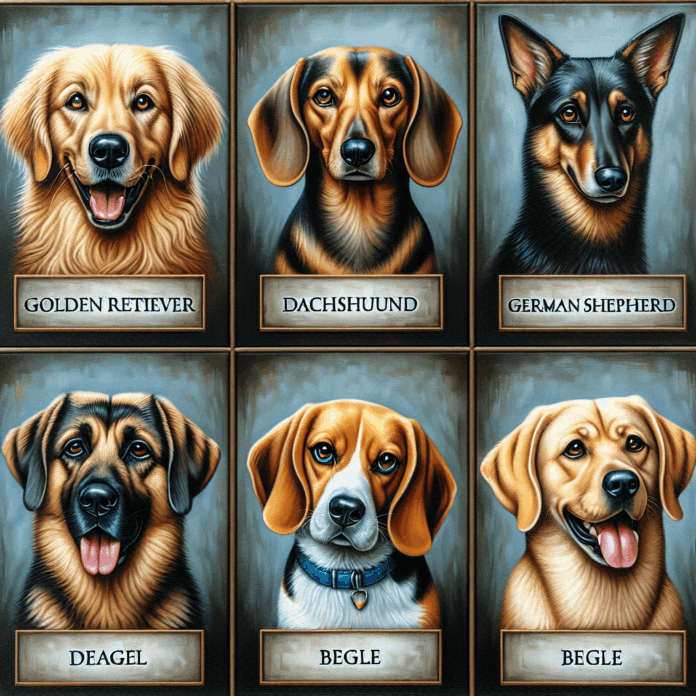
When it comes to choosing the right dog for your home and lifestyle, size truly matters. The two main categories of dog breeds are small and large. Each size group offers unique traits, advantages, and challenges. This guide will explore the world of small and large dog breeds, discussing their characteristics, care needs, and suitability for various lifestyles.
Small Dog Breeds
Characteristics of Small Dog Breeds
Small dog breeds typically weigh less than 20 pounds and stand under 12 inches tall at the shoulder. These dogs are known for their compact bodies, lively personalities, and often an affectionate demeanor.
Common Traits:
- Affectionate: Many small breeds thrive on human interaction.
- Energy Levels: Although they’re tiny, small dogs often have surprisingly high energy levels and may need regular exercise.
- Lifespan: Generally, small dogs tend to live longer than larger breeds, often reaching 12 to 16 years of age.
Popular Small Dog Breeds
Chihuahua
- Weight: 2–6 pounds
- Lifespan: 12–20 years
- Known for their loyalty and big personality.
Pomeranian
- Weight: 3–7 pounds
- Lifespan: 12–16 years
- Friendly and alert, they’re excellent watchdogs.
Dachshund
- Weight: 16–32 pounds (but can be mini, under 11 pounds)
- Lifespan: 12–16 years
- Playful and curious with a distinctive long body.
- Yorkshire Terrier
- Weight: 4–7 pounds
- Lifespan: 12–15 years
- Known for their elegance and spirited nature.
Care Needs for Small Dog Breeds
Small breeds may have specific needs compared to their larger counterparts. Here are some care considerations:
- Diet: Smaller dogs require higher calorie-dense food, as they burn energy quickly.
- Exercise: Though small, they need regular exercise; daily walks and playtime are essential.
- Socialization: They benefit from early socialization to help them feel comfortable around other dogs and people.
- Health Monitoring: Small breeds can suffer from specific health issues, including dental problems, patellar luxation, and heart issues. Regular veterinary check-ups are crucial.
Large Dog Breeds
Characteristics of Large Dog Breeds
Large dog breeds typically weigh over 50 pounds and can stand up to 30 inches tall or more. They possess a powerful physique and are known for their robust nature and loyalty.
Common Traits:
- Gentle Giants: Many large breeds are affectionate and gentle.
- Exercise Needs: They often require more space and time for exercise.
- Training: They generally benefit from obedience training from an early age due to their size.
Popular Large Dog Breeds
Labrador Retriever
- Weight: 55–80 pounds
- Lifespan: 10–12 years
- Friendly and outgoing, Labs are excellent family dogs.
German Shepherd
- Weight: 50–90 pounds
- Lifespan: 9–13 years
- Intelligent and versatile, they are often used in police and military work.
Golden Retriever
- Weight: 55–75 pounds
- Lifespan: 10–12 years
- Known for their friendly, tolerant attitude, making them great with children.
- Great Dane
- Weight: 110–175 pounds
- Lifespan: 7–10 years
- Known as "gentle giants," they are affectionate and protective.
Care Needs for Large Dog Breeds
Owning a large dog demands specific care considerations:
- Diet: Large breeds need a diet formulated for their size to promote healthy growth and avoid joint issues.
- Exercise: They need plenty of physical activity to prevent boredom and weight gain.
- Space: Larger dogs thrive in homes with ample space, both indoors and outdoors.
- Health Monitoring: They are predisposed to certain health issues, such as hip dysplasia and heart problems. Regular vet visits are essential for early detection and management.
Choosing Between Small and Large Breeds
When contemplating whether to adopt a small or large dog, several factors should be considered:
Lifestyle and Living Space
- Space: Consider how much room you have. Small dogs can adapt well to apartments, while large breeds benefit from homes with yards.
- Activity Level: Assess your activity level. If you’re active and can provide exercise, a large breed may be ideal. Conversely, if your lifestyle is more sedentary, a small dog might be a better fit.
Family Dynamics
- Kids: Some large breeds are excellent with children, while others may be too boisterous. Small dogs often require gentle handling.
- Allergies: Some small breeds are hypoallergenic. If allergies are a concern, consider these breeds.
Time Commitment
- Training and Socialization: Large dogs may require more training due to their size and strength. Smaller dogs, while manageable, also need socialization to prevent behavioral issues.
Health Considerations
- Veterinary Care: Larger dogs can incur higher veterinary costs due to their size and potential health issues. Small dogs might face dental issues, so care and attention to oral health are critical.
Conclusion
Choosing between small and large dog breeds is a significant decision that depends on various factors, including lifestyle, living space, and personal preferences. Both small and large breeds offer unique joys and challenges, so understanding their specific needs is crucial for fostering a happy and healthy dog.
FAQs
1. What are the most common small dog breeds?
Common small dog breeds include Chihuahuas, Pomeranians, Dachshunds, and Yorkshire Terriers.
2. How much exercise do small dogs need?
Small dogs typically need at least 30 minutes of exercise daily, which can include walks and playtime.
3. What are the best large dog breeds for families?
Labrador Retrievers, Golden Retrievers, and German Shepherds are often recommended for families due to their friendly nature and ability to get along with children.
4. Are there specific health issues related to small and large dog breeds?
Yes, small dogs may face dental issues and patellar luxation, while large breeds are prone to hip dysplasia and heart problems.
5. How should I choose between a small and large dog?
Consider your living situation, activity level, family dynamics, and available time for training and exercise when making your decision.
In conclusion, whether you choose a small or large breed, owning a dog is a rewarding experience full of love and companionship. Make an informed decision, and your new pet will be a beloved member of your family for years to come.

