

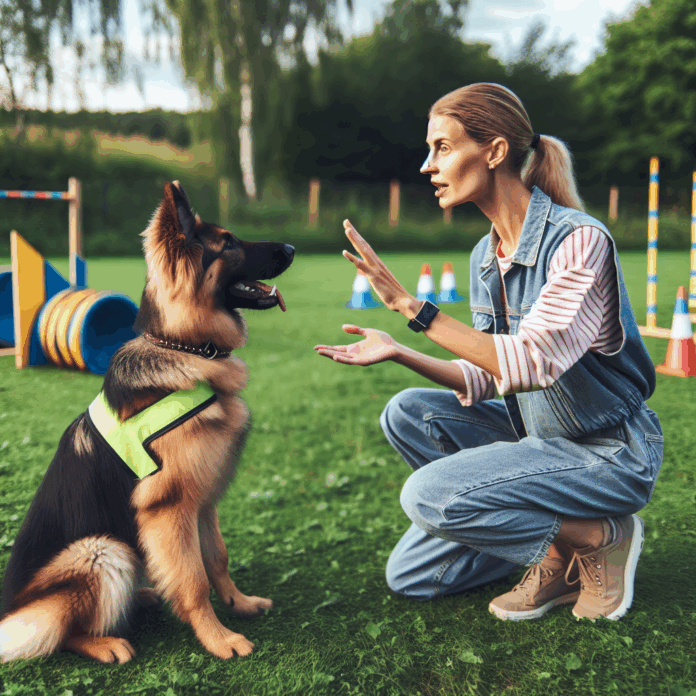
Dog barking is a natural form of communication for our furry friends. While a little barking may be normal during the day, excessive barking at night can become a significant issue not just for the dog owner but also for neighbors. The phrase "silence is golden" resonates perfectly with the struggle of maintaining a quieter environment during the night. Addressing nighttime barking requires effective strategies that cater to the dog’s needs while respecting the peace of your household and community. In this article, we will explore actionable ways to curb nighttime dog barking and ensure a good night’s sleep for everyone.
Understanding the Cause of Nighttime Barking
Before diving into solutions, it’s essential to understand why dogs bark. Common reasons for nighttime barking include:
Boredom: Dogs require physical and mental stimulation. A lack of activities during the day may lead to excessive barking at night.
Anxiety: Many dogs experience separation anxiety, particularly when left alone. They may bark to express their distress during nighttime.
Territorial Behavior: Dogs are naturally territorial. Barking can be a way to alert you (or scare off potential intruders) during the night.
Noisy Environment: Sounds that humans may overlook, like the rustling of leaves or passing cars, can trigger barking in sensitive dogs.
- Medical Issues: Sometimes, barking can signal discomfort or pain. If a dog suddenly barks excessively at night, it’s advisable to consult a veterinarian.
Effective Strategies to Curb Nighttime Barking
1. Adequate Exercise
One of the primary reasons dogs bark at night is that they have pent-up energy. Ensuring your dog receives adequate exercise during the day can significantly mitigate this issue. Engage in activities like:
- Long Walks: Aim for at least 30-60 minutes of brisk walking.
- Playtime: Interactive play with toys can also help tire your dog out. Consider games like fetch or tug-of-war.
- Brain Games: Puzzle toys or training agility can provide mental stimulation, making your dog less inclined to bark at night.
2. Create a Comfortable Sleeping Environment
Your dog’s sleeping space should be cozy and inviting. If your dog is uncomfortable, restless sleep can lead to barking. Here are tips for optimizing their environment:
- Bedding: Invest in high-quality, comfortable bedding.
- Temperature: Ensure a comfortable room temperature that isn’t too hot or cold.
- Calm Space: Consider using soothing colors and scents in the resting area to create a calming atmosphere.
3. Address Separation Anxiety
If your dog barks due to separation anxiety, consider these strategies:
- Gradual Departure: Work on leaving your dog alone for short periods and gradually increase the duration. This helps them become accustomed to your absence.
- Comfort Items: Provide a blanket or item that smells like you. This can help soothe their anxiety.
- Professional Assistance: In severe cases, consulting a dog trainer or behaviorist may be beneficial to provide specialized strategies.
4. Consistent Training
Training is a crucial tool in managing a dog’s barking. Establish a routine and be consistent with commands.
- Teach “Quiet”: Use the "quiet" command when your dog barks. Reward them with treats or praise when they stop barking on command.
- Rewards: Always use positive reinforcement. Acknowledging good behavior will encourage your dog to respond correctly.
5. Distractions
Providing distractions can effectively keep your dog occupied at night:
- Toys: Chew toys, especially those that release treats, can keep your dog engaged.
- Music or Calm Sounds: Some dogs respond well to background noise. Playing soft music or white noise may help mask outside noises that trigger barking.
6. Avoid Reinforcement of Barking
Sometimes, unintentional reinforcement can lead to a barking habit.
- Don’t Respond: If your dog barks for attention, respond only when they’re quiet to avoid reinforcing the barking behavior.
- Don’t Coddle: Reassuring your dog when they bark can sometimes make things worse. Stay calm and avoid overly babying them.
7. Professional Help
If your dog continues to bark excessively at night despite your best efforts, consulting a veterinarian or animal behaviorist may be necessary. They can assess whether there are underlying medical issues or suggest more tailored behavioral strategies.
8. Veterinary Evaluation
If there’s a sudden change in your dog’s barking patterns, it could signal a medical issue. Consulting your vet can help rule out any health-related causes for the barking.
FAQs
Q: Why does my dog bark more at night than during the day?
A: Dogs are natural nocturnal creatures. They may be more alert at night, responding to ambient noises or disturbances. Nighttime often feels more isolated for them, prompting barking behavior.
Q: What should I do if my dog keeps barking, and my neighbors are complaining?
A: Open communication with your neighbors is essential. Explain that you are aware of the issue and are working on it. Additionally, implement one or more of the strategies mentioned above.
Q: Is it normal for puppies to bark at night?
A: Yes, puppies may bark at night due to separation anxiety or unfamiliarity with their new environment. Providing a safe space and comfort items can help ease their anxiety.
Q: How long does it take to train a dog not to bark at night?
A: The timeframe can vary based on the dog’s personality and the severity of the barking. Consistent training and environmental adjustments can yield results in a few weeks, but more challenging cases may take longer.
Q: Should I use anti-bark collars or devices?
A: It’s generally best to try training and behavioral strategies before resorting to collars or devices. These can sometimes lead to anxiety or resentment rather than addressing the root issue.
In conclusion, curbing nighttime barking requires patience, consistency, and understanding your dog’s needs. By implementing these effective strategies, you can create a peaceful environment conducive to restful nights for you and your furry friend.

