

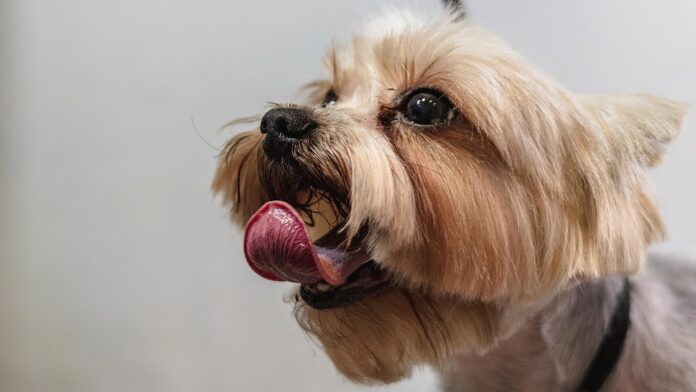
Long-haired dog breeds are undeniably beautiful, but their luscious coats require diligent grooming to keep them looking fabulous year-round. With varying seasons come unique grooming challenges and needs, making it crucial for pet owners to adapt their routines accordingly. In this article, we will explore essential seasonal grooming tips, the tools you need, and answer some frequently asked questions to help you maintain your long-haired pup’s coat in pristine condition.
Spring: Shedding Season
As the weather warms up, long-haired dogs often experience increased shedding. This is the ideal time to ramp up grooming efforts to minimize the amount of fur shedding around your home.
Tips for Spring Grooming:
Brush Regularly: Aim for a minimum of 2-3 times a week, increasing to daily brushing during heavy shedding periods. Use a slicker brush or an undercoat rake to effectively remove loose fur without damaging the coat.
Bath Time: A good bath can help loosen dead hair and reduce shedding. Use a gentle, pet-friendly shampoo and follow up with a conditioner to keep the coat moisturized.
Spring Haircut: Consider a “spring cut,” where you trim unnecessary bulk from your dog’s coat without compromising its length. This will help keep your pup cooler as temperatures rise.
Check for Mats: Look for any mats or tangles, especially around the ears, underarms, and tail. Regular brushing will help prevent these, but if you do find mats, carefully use a dematting tool or scissors, ensuring you don’t pull on the skin.
Summer: Heat Management
Summer’s heat can be tough on long-haired dogs, both for their comfort and health. Proper grooming will help your dog stay cool and stylish.
Tips for Summer Grooming:
Regular Brushing: Brush your dog at least 3-4 times a week to remove loose hair and help heat escape from the skin.
Stay Hydrated: Ensure your dog has access to fresh water at all times. Hydration will help maintain coat health.
Evaluate Hair Length: Depending on the breed, it might be beneficial to give your dog a more significant trim during the sweltering summer months. Speak with your groomer about the best approach.
Bathe More Frequently: During summer, your dog may play outside more, getting dirty or sandy. Regular baths can help maintain cleanliness while preventing matting from dirt and debris.
Prevent Sunburn: If your dog has a thin or light-colored coat, they might be more susceptible to sunburn. Consider using pet-safe sunscreen on exposed areas, or limit their sun exposure during peak hours.
Autumn: Prepping for Winter
As the weather cools down, it’s time to prepare your dog’s coat for the winter months. Autumn grooming focuses on maintaining a healthy, thick coat for insulation.
Tips for Autumn Grooming:
Increase Brushing Frequency: Continue brushing 2-3 times a week to help remove loose fur before the winter undercoat grows in.
Hydrate the Skin: As temperatures drop, so can humidity levels, which may lead to dry skin. Use a moisturizing shampoo and consider adding fish oil to their diet for additional skin and coat health.
Inspect for Pests: Autumn is also the time when fleas and ticks might be more prevalent. Check your dog regularly for any signs of pests and consult your veterinarian for preventative treatments.
Plan for a Winter Grooming Cut: If your dog’s breed requires it, now is the time to discuss a grooming appointment to prepare their coat for winter.
Winter: Managing the Elements
Winter brings snow, ice, and chilly temperatures, all of which can take a toll on your pup’s coat and skin. Consequently, grooming requires careful consideration.
Tips for Winter Grooming:
Brush Thoroughly: Regular brushing is crucial as snow and ice can lead to matting. Brush your dog’s coat more frequently to keep it tangle-free.
Dry Off Thoroughly: After walks, ensure your dog is dry. Use towels to wipe off any snow or water to prevent skin issues.
Use a Moisturizing Conditioner: Winter air can be dry; consider using a leave-in conditioner or a pet-safe moisturizer to combat dry skin.
Keep Hair Neat and Tidy: Excessively long hair can accumulate snowballs. Trim the hair between paw pads to keep them clean and comfortable.
Dress for Success: Consider investing in a doggy coat or sweater, especially for smaller breeds or those more sensitive to cold.
Grooming Tools You’ll Need
- Slicker Brush: Ideal for removing tangles and mats.
- Undercoat Rake: Helps manage loose undercoat fur, especially during shedding seasons.
- Dematting Tool: Essential for safely removing stubborn mats without hurting your dog.
- Conditioner: Keeps the coat moisturized and manageable.
- Pet-safe Shampoo: A gentle formula is key for maintaining coat health.
- Nail Clippers: Regular nail clipping is essential for overall paw care.
FAQs
Q1: How often should I groom my long-haired dog?
A: Ideally, long-haired dogs should be groomed at least 2-3 times a week, increasing during shedding seasons. Regular grooming helps prevent matting and keeps the coat healthy.
Q2: Can I bathe my long-haired dog too often?
A: While routine bathing is necessary, over-bathing can strip natural oils, leading to dryness. Aim for monthly baths or every few weeks during heavy play.
Q3: What if my dog doesn’t like being groomed?
A: Start with short grooming sessions and use positive reinforcement, such as treats and praise. Gradually extend the time to help your dog associate grooming with a pleasant experience.
Q4: Are there specific grooming products I should avoid?
A: Avoid human shampoos or products with harsh chemicals. Always choose dog-specific grooming products that cater to your dog’s coat type.
Q5: How can I prevent matting?
A: Regular brushing is the key. Pay special attention to areas prone to matting, like behind the ears and under the arms, where tangles often occur.
Maintaining the beauty and health of your long-haired dog requires intention and care, particularly as seasons change. By utilizing these grooming tips tailored to each season, you’ll ensure your pup looks fabulous and remains comfortable all year long! Happy grooming!

