

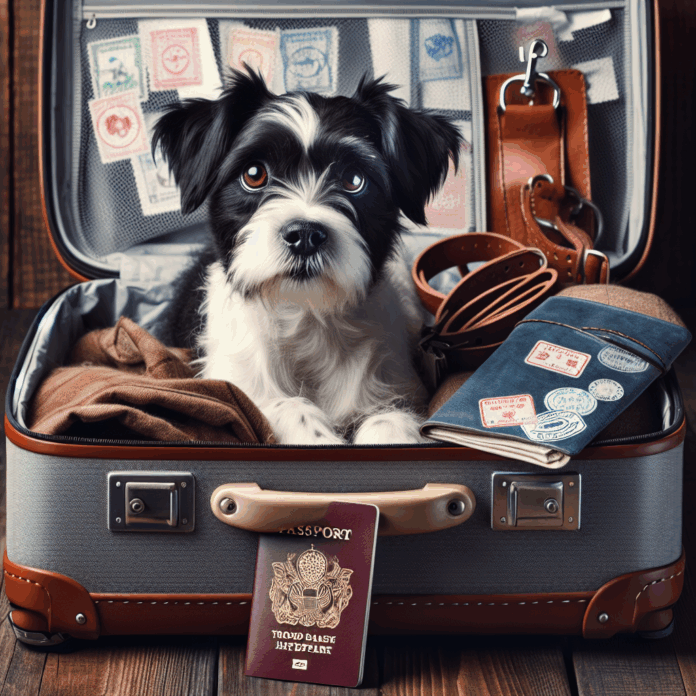
Traveling with your dog can be one of the most rewarding experiences, but it requires thoughtful planning and preparation. Whether it’s a weekend getaway or a cross-country adventure, this guide will ensure that you and your furry friend are road trip ready!
1. Pre-Trip Preparation
A. Health Checks and Vaccinations
Before embarking on your journey, ensure your dog is healthy and up-to-date on vaccinations. Schedule a visit to your veterinarian to discuss any health concerns and get a travel health certificate. Some destinations may require proof of vaccinations, especially if you’re crossing state lines.
B. Microchipping and Identification
Microchipping is crucial, especially during travel. If your dog goes missing, a microchip can significantly increase the chances of being reunited. Additionally, ensure your pet wears a collar with an ID tag that includes your contact information.
C. Packing Essentials
Just like you, your dog will need some essentials for the trip. Here’s a checklist of must-haves:
- Food and Water: Bring enough supplies for the entire trip, plus some extra, just in case.
- Bowls: Portable, collapsible bowls are perfect for meals and water breaks.
- Leash and Harness: A sturdy leash and comfortable harness are a must for making stops.
- Waste Bags: Always clean up after your pet; it’s respectful and helps keep parks and rest areas clean.
- Blanket or Bed: A familiar blanket or bed can make your dog feel comfortable and safe.
- Toys: Pack some favorite toys to keep your dog entertained during downtime.
2. Choosing the Right Vehicle
Having the right vehicle can make a difference in your travel experience. Here are some considerations:
A. Space
Choose a vehicle spacious enough for your dog, especially if you’re traveling with multiple pets or kids. SUVs and minivans typically offer more room and comfort.
B. Safety Features
Consider pet safety harnesses and crates. A well-secured pet is not only safer but can also help you focus on the road. Ensure that your dog is in a crate or secured with a harness to prevent distractions while driving.
C. Climate Control
Air conditioning is essential, especially during the summer months. Make sure your vehicle’s temperature control is working effectively to keep your furry friend comfortable.
3. On the Road
A. Frequent Breaks
Make stops every couple of hours to let your dog stretch, relieve itself, and drink water. This helps to break up the trip and keeps your pet happy and comfortable.
B. Hydration
Keep a water bottle handy for both you and your pup. Frequent hydration is crucial to prevent heat stress, especially on hot days.
C. Food Schedule
Stick to your dog’s regular eating schedule as much as possible. If you need to change their feeding time, do it gradually to prevent stomach upset.
D. Avoid Leaving Your Dog Alone
Never leave your dog alone in a vehicle, especially during hot weather. Temperatures can rise quickly, leading to heatstroke or worse. If you must leave your dog in the car for a short period, ensure the windows are adequately vented and the air conditioning is on, but this is generally not advised.
4. Accommodations
Finding pet-friendly accommodations is imperative for a smooth road trip. Here are some tips:
A. Research in Advance
Research hotels, motels, and rental properties that welcome pets. Websites like BringFido and AirBnB allow you to filter results for pet-friendly lodging.
B. Call Ahead
Always call ahead to confirm pet policies and any associated fees. Some places may have restrictions on breed or size, so it’s best to clarify.
C. Pack a Travel Crate
For overnight stays, bringing a travel crate can help your dog feel secure in an unfamiliar environment. This also equates to safer hotel stays.
5. Activities and Exploration
A. Plan Dog-Friendly Activities
Along your route, research parks, trails, or attractions that allow dogs. National parks often have hiking trails that welcome furry companions, and many dog parks allow for off-leash play.
B. Be Mindful of Weather Conditions
Extreme weather can affect your dog’s energy and mood. If it’s too hot or cold, consider adjusting your itinerary to prioritize indoor activities or shaded areas.
C. Bring a First Aid Kit
A pet-specific first aid kit is crucial for any road trip. Include bandages, antiseptic wipes, tweezers, and any medications your dog may require.
6. Returning Home
After your road trip, make sure to check your dog for any signs of illness or discomfort. This could include checking their paws for injuries, observing their behavior, and ensuring they are eating and drinking normally.
FAQs
Q: How can I make my dog comfortable during long car rides?
A: Create a comfortable space using your dog’s favorite blanket or bed. Take frequent breaks for bathroom and exercise. You can also use calming products like pheromone sprays or natural supplements if your dog gets anxious during travel.
Q: What should I do if my dog gets car sick?
A: If your dog is prone to car sickness, consult your vet for advice. Gradually acclimate your dog to longer car rides, ensure they don’t eat right before the journey, and consider anti-nausea medications if recommended.
Q: Are there breed restrictions at pet-friendly accommodations?
A: Yes, some hotels and rental properties may have restrictions based on breed or size. Always check with the property directly before booking.
Q: Can I take my dog to restaurants or cafes?
A: Many restaurants and cafes have outdoor seating that welcomes dogs. Always check with the establishment in advance, and be sure your pet is well-behaved and leashed.
Q: What if my dog gets lost during the trip?
A: If your dog goes missing, immediately search the area where you last saw them. Notify local shelters and use social media to spread the word. Having a microchip and updated ID tags is essential for recovery.
Traveling with your dog can create lifelong memories, strengthen your bond, and transform your adventures. With proper planning and preparation, your journey can be enjoyable and stress-free for both you and your beloved pet. Happy travels!

