

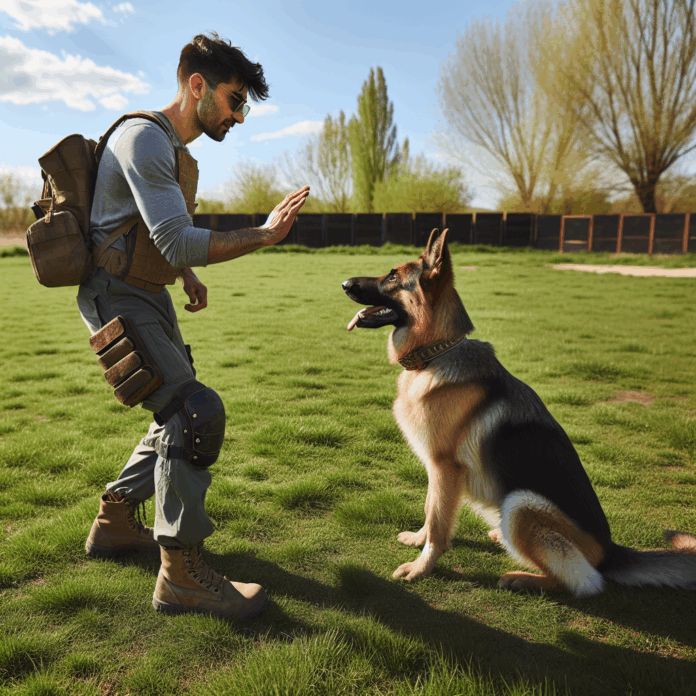
Welcoming a new puppy into your home is an exciting journey filled with joy and companionship. However, as much as your adorable furball brings happiness, they also come with responsibilities—chiefly, training. Teaching your puppy commands like "sit" and "stay" not only fosters good behavior but also strengthens the bond between you and your new best friend. Let’s delve into the basics of puppy training, focusing on these essential commands.
The Importance of Training
Before we get into the how-to of training your puppy, let’s discuss why training is crucial.
Safety: Teaching commands can keep your dog safe in dangerous situations. For instance, a well-timed "stay" could prevent your pup from running into the street.
Behavioral Control: Training helps curb unwanted behaviors like jumping, barking, or chewing, leading to a well-mannered adult dog.
Bonding: Training sessions serve as an excellent opportunity for you to bond with your puppy. Positive reinforcement fosters trust and love.
- Mental Stimulation: Puppies are curious creatures that need mental engagement. Training provides that stimulation and helps them expend energy.
Equipment for Training
Before diving into training, gather the necessary equipment:
Treats: Use small, soft treats that are easy for your puppy to chew. These should be appealing yet healthy.
Clicker (optional): A clicker is useful for marking the exact moment your puppy performs a desired behavior, making it easier for them to understand what you want.
Leash and Collar: Use a lightweight collar and a 6-foot leash for better control during training.
- Quiet Space: Select a calm environment with minimal distractions to make it easier for your puppy to focus.
Teaching "Sit"
The command "sit" is one of the first commands you should teach your puppy, and it’s relatively straightforward.
Step-by-Step Guide to Teach "Sit"
Get Your Puppy’s Attention: Call your puppy to you and have treats ready.
Use the Treat to Guide: Hold a treat close to your puppy’s nose, then slowly raise it above their head. As their nose moves up, their bottom will naturally lower.
Say “Sit”: As soon as their bottom touches the ground, say “sit” clearly.
Praise and Reward: Immediately give them the treat and offer praise. Positive reinforcement is key to successful training.
Repeat: Practice this several times until your puppy understands the command.
- Reduce Treats Gradually: As your dog becomes more consistent with the command, begin to reduce the frequency of treats while continuing verbal praise.
Common Mistakes to Avoid
Inconsistent Commands: Always use the same word for the command. Switching from "sit" to "down" can confuse your puppy.
Skipping the Reward: Always praise immediately after they perform the command. This reinforces the behavior.
- Getting Frustrated: If your puppy isn’t catching on, take a break and try again later. Patience is crucial in training.
Teaching "Stay"
Once your puppy can sit on command, the next logical step is to teach them to "stay."
Step-by-Step Guide to Teach "Stay"
Start with "Sit": Begin with your puppy in the ‘sit’ position.
Open Your Palm: Hold your hand in front of your puppy’s face with your palm facing them and say "stay."
Take a Step Back: Gradually step back while maintaining eye contact. If they stay put, reward them immediately.
Increase Distance and Duration: As your puppy gets better at staying, increase the distance you step away and the time they must remain in the position.
- Use a Release Word: When you want them to move, use a word like "okay" or "come," signaling them they can get up.
Troubleshooting Common Problems
Puppy Breaks Position: If your puppy gets up too soon, calmly bring them back to the original spot and repeat the command.
Distractions: If noises or movements distract them, return to a more controlled environment until they learn to stay focused.
- Rushing the Process: Like all training, teaching "stay" takes time. Don’t rush the training sessions and let your puppy master each step before moving on.
Consistency is Key
When it comes to training your puppy, consistency is vital. Regular, short training sessions (5-10 minutes) work best. Aim for multiple sessions throughout the day. Using the same words, gestures, and rewards helps reinforce what your puppy is learning.
Building on the Basics
Once your puppy has mastered "sit" and "stay," you can introduce new commands such as "down," "come," and "leave it." Each of these builds on the training foundation you’ve already established and will make your dog a more obedient companion.
The Power of Socialization
In addition to basic commands, socializing your puppy is equally important. Expose your puppy to different people, environments, and other dogs. This will help them develop good habits and greatly reduce anxiety.
FAQs
1. How old should my puppy be before I start training?
You can start training your puppy as early as 7 to 8 weeks old. Early socialization and basic command training can lead to healthier, well-adjusted dogs.
2. How long should training sessions be?
Keep training sessions short—about 5 to 10 minutes is ideal for young puppies. Too long can lead to boredom and loss of focus.
3. Can I teach my puppy without treats?
While treats are highly effective, praise and playtime can also be used as rewards. The key is to find what motivates your dog the most.
4. What if my puppy doesn’t respond to commands?
If your puppy seems unresponsive, ensure the training environment is quiet and free of distractions. Go back to basics and keep patience in mind. Shorter sessions may also help.
5. Should I use negative reinforcement?
Negative reinforcement can lead to fear and anxiety in puppies. Focus on positive methods, using praise and treats to encourage good behavior instead.
6. When can I expect my puppy to understand the commands?
Every puppy learns at their own pace. With consistent training and practice, most puppies will learn basic commands within a few weeks.
Training your puppy to "sit" and "stay" is just the beginning of a lifelong journey filled with joy and companionship. Remember, the bond you build during training lays the groundwork for a loving, trusting relationship. With the right approach, you can raise a well-behaved dog that brings happiness to your home for years to come. Happy training!

