Introduction
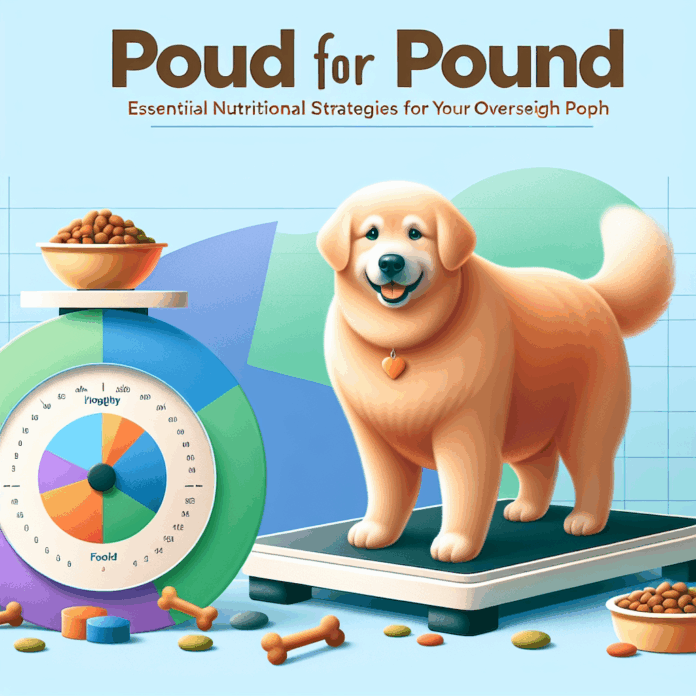
Obesity in pets, particularly dogs, is a growing concern among pet owners and veterinarians alike. With over 50% of dogs in the United States classified as overweight or obese, it’s crucial for pet parents to understand effective nutritional strategies to help their furry friends maintain a healthy weight. This article provides essential information on how to combat canine obesity through tailored nutritional strategies that promote overall health and well-being.
Understanding Canine Obesity
Before we dive into nutritional strategies, it’s important to grasp what constitutes obesity in dogs. Obesity is generally defined as having an excess body fat that can impact health. This condition is not merely an aesthetic issue; it can lead to serious health problems such as diabetes, heart disease, joint issues, and a reduced lifespan.
Signs Your Dog May Be Overweight
Rib Examination: You should be able to feel your dog’s ribs without excessive pressure. If you can’t, it may be time to consider a weight loss plan.
Waistline: When viewed from above, a healthy dog should have a noticeable waist. If your dog looks more like a sausage, that’s a red flag.
Fat Pads: Excess fat around the base of the tail, abdomen, and chest can indicate obesity.
- Energy Levels: A reduced activity level or lethargy may also suggest your dog carries extra weight.
Nutritional Strategies for Weight Management
Consult Your Veterinarian
The first step to tackling your dog’s weight problem is to consult your veterinarian. They can provide a tailored health assessment, recommend an ideal weight, and suggest a structured weight loss plan. This plan may include dietary changes, exercise regimens, or medical interventions if necessary.
Choose Quality Dog Food
High-Quality Protein: Select dog foods that list high-quality protein sources as the first ingredient, such as chicken, lamb, or fish. These help build lean muscle mass and can promote a feeling of fullness.
Low in Calories and Fat: Look for foods specifically formulated for weight loss or maintenance. These typically have lower calories and fat content but still contain essential nutrients.
Check for Fillers: Avoid foods that contain fillers like corn, soy, or excessive grains, as these provide little nutritional value and can contribute to weight gain.
Portion Control
Controlling portion sizes is crucial when trying to manage your dog’s weight. Utilize measuring cups to ensure you’re providing the correct amount of food according to your veterinarian’s recommendations.
Frequency of Meals: Instead of providing free access to food all day, divide your dog’s daily ration into two or three smaller feedings. This can help manage hunger and prevent overeating.
Healthy Treats
Treats can quickly add unnecessary calories to your dog’s diet. Opt for lower-calorie options such as:
- Fresh vegetables (carrots, green beans, cucumbers)
- Small amounts of fruit (apples, blueberries)
- Commercially available low-calorie dog treats
Always consider treats as part of your dog’s total daily calorie intake so as not to exceed nutritional guidelines.
Incorporate Fiber
Fiber is essential in a weight management diet as it promotes satiety. Look for dog foods enriched with fiber, or consider adding safe vegetables to your dog’s meals to increase bulk without significantly raising caloric intake.
Hydration Matters
Water plays a vital role in weight management. Ensure your dog has access to fresh water at all times. Sometimes, dogs may perceive thirst as hunger and overeat; providing ample hydration can help mitigate this.
Review Feeding Guidelines
Each dog has unique nutritional needs based on size, age, breed, and activity level. Always follow feeding guidelines on the dog food label, but also consult with your veterinarian to ensure they’re appropriate for your dog’s specific circumstances.
Activity: More Than Just Food
While nutrition is the cornerstone of weight management, physical activity is equally important. Engage with your dog using the following strategies:
Daily Walks: Aim for at least 30 minutes of moderate exercise. This can include walks, playtime in the park, or even swimming.
Interactive Toys: Toys that encourage movement, such as fetch toys or puzzle toys, can stimulate both physical and mental activity.
- Dog Classes: Consider enrolling your dog in agility, obedience, or other training classes that promote exercise while providing mental stimulation.
Monitoring Progress
Regular check-ins with your veterinarian are vital for tracking your dog’s weight loss progress. Your vet can help monitor your dog’s body condition score (BCS) and adjust the plan as necessary. Setting small, achievable goals can provide milestones to keep you motivated throughout the weight loss journey.
FAQs
1. How can I tell if my dog is overweight?
You can assess if your dog is overweight by checking their rib visibility, waistline, and overall body shape. If you’re uncertain, consult your veterinarian for a professional evaluation.
2. Is it okay to give my dog table scraps?
Feeding table scraps can lead to unbalanced nutrition and excessive calorie intake. Instead, offer healthy treats that are specifically designed for dogs.
3. What if my dog doesn’t like their new food?
Transitioning to a new diet can take time. Mix a small amount of the new food with their old food, gradually increasing the proportion of the new food over several days.
4. How fast should my dog lose weight?
A safe weight loss rate for dogs is 1-2% of their body weight per week. Rapid weight loss can cause health issues, so slow and steady is key.
5. Are there any medical issues that can cause obesity in dogs?
Yes, some medical issues, such as hypothyroidism or Cushing’s disease, can lead to weight gain. A veterinary check-up can help rule out any underlying health problems.
Conclusion
Managing your dog’s weight requires commitment and a multifaceted approach that includes nutrition, physical activity, and regular veterinary visits. By implementing these nutritional strategies and fostering a supportive environment, you can help your furry friend achieve a healthier weight and improve their overall quality of life. Remember, consistency is key, and patience will reward you with a happier and healthier companion.

