Ensuring that our furry friends maintain a healthy weight is just as crucial as managing our own diets. An appropriate weight helps prevent a range of health issues, enhances their quality of life, and can extend their lifespan. This article will provide a comprehensive guide to portion control and pup-friendly foods, equipping you with the knowledge needed to effectively manage your dog’s diet.
Understanding Canine Nutrition
Before diving into portion control, it’s essential to understand canine nutrition. Dogs are omnivores, meaning they require a balanced diet that incorporates proteins, carbohydrates, fats, vitamins, and minerals. Their dietary needs may vary based on factors such as age, weight, breed, and level of activity.
Key Nutritional Components:
- Proteins: Critical for muscles, skin, and overall health. Meat, fish, eggs, and certain dairy products provide high-quality protein.
- Carbohydrates: Offer energy. Whole grains, fruits, and vegetables can be great sources.
- Fats: Necessary for healthy skin and fur. Omega-3 and Omega-6 fatty acids found in fish oils or flaxseed can benefit your dog.
- Vitamins and Minerals: Crucial for various body functions. A well-balanced commercial diet generally covers these needs, but fresh fruits and vegetables can supplement.
The Importance of Portion Control
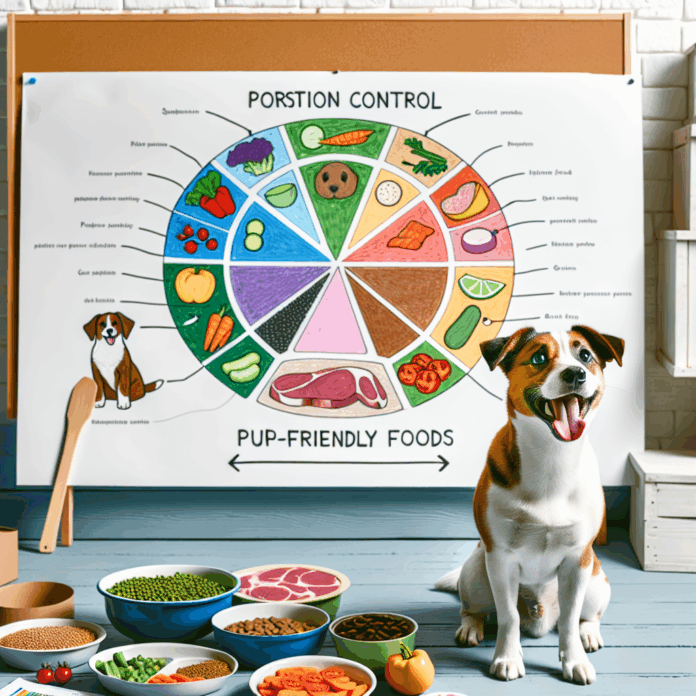
Portion control is the practice of managing the amount of food your dog consumes. Overfeeding can lead to obesity, resulting in severe health issues such as diabetes, joint problems, and heart disease. Conversely, underfeeding can lead to malnutrition and other health complications. Here’s how to achieve the right balance.
Factors Affecting Portion Sizes
Age: Puppies typically require more food than adult dogs for growth and development. Senior dogs, on the other hand, may need fewer calories.
Activity Level: Highly active dogs (like working breeds) need more calories than those who lead a more sedentary lifestyle.
Health Conditions: Dogs with specific health issues, such as diabetes or gastrointestinal conditions, may require special diets.
Weight Goals: If your dog is overweight, reducing portion sizes can help; conversely, underweight dogs may need larger portions.
Calculating Portions
The amount of food your dog should receive varies by brand, so always check the feeding guidelines on the dog food packaging. Generally, the recommended daily amount can provide a good starting point. Here’s a basic outline of how to calculate portions:
- Weigh Your Dog: Know your dog’s current weight.
- Refer to Feeding Guidelines: Use the dog food label’s recommended amount based on weight.
- Consider Activity Level: Adjust portions based on whether your dog is highly active or less so.
If your dog is overweight, aim to reduce daily calories by 10-20% initially and monitor weight loss closely.
Choosing Pup-Friendly Foods
When it comes to selecting what to feed your dog, the choices can feel overwhelming. However, focusing on high-quality, nutritious foods can simplify the process.
Commercial vs. Homemade Diets
Commercial Dog Food: Look for foods labeled “complete and balanced” and choose brands with high protein content and minimal fillers. Premium brands often undergo rigorous testing for nutritional adequacy.
Homemade Diets: Cooking for your dog allows for customization but must be done carefully to ensure that it’s nutritionally complete. Consulting with a veterinary nutritionist can provide the best guidance.
Pup-Friendly Foods
Here’s a list of foods that are generally safe and beneficial for dogs:
Lean Proteins: Chicken, turkey, fish, and eggs.
Fruits: Apples (without seeds), blueberries, and bananas are excellent snacks.
Vegetables: Carrots, green beans, and spinach can be great low-calorie options.
Whole Grains: Brown rice, oats, and quinoa are great sources of carbohydrates.
Healthy Fats: Salmon oil or coconut oil can enhance skin and coat health.
Foods to Avoid
It’s essential to know which foods to keep away from your pup. Here are some no-gos:
Chocolate: It can be toxic and even fatal in high amounts.
Grapes and Raisins: These can lead to kidney failure.
Onions and Garlic: Can cause anemia in dogs.
Alcohol: Can be deadly, even in small amounts.
Transitioning to a New Diet
When changing your dog’s diet—whether rotating foods, decreasing portion size, or introducing new items—do it gradually. A sudden change can lead to gastrointestinal upset. Follow this guideline:
Days 1-2: 25% new food, 75% old food.
Days 3-4: 50% new food, 50% old food.
Days 5-6: 75% new food, 25% old food.
Day 7: 100% new food.
Monitoring Your Dog’s Weight and Health
Regular check-ups with your veterinarian are crucial for maintaining your dog’s health. They can help monitor weight loss or gain and recommend any necessary dietary adjustments.
Signs of Healthy Weight
- You can feel your dog’s ribs without excess fat but cannot see them.
- Your dog has a defined waist when viewed from above.
- Your dog has a healthy energy level and coat condition.
FAQs
1. How do I know if my dog is overweight?
You can gauge your dog’s weight through visual and tactile assessments. If you can’t feel their ribs or if they lack a noticeable waistline, consult your vet.
2. What are the best commercial dog foods?
Look for brands that meet AAFCO standards, prioritize high-quality protein sources, and have little to no fillers. Check out brands like Royal Canin, Blue Buffalo, and Wellness for premium options.
3. Can I give my dog table scraps?
While it’s ok to give small amounts of safe fruits and vegetables as treats, avoid giving table scraps that are high in fat or cooked bones as they can lead to health issues.
4. How often should I feed my dog?
Most adult dogs do well with two meals a day. Puppies may require three meals due to their higher energy needs.
5. Should I consider a special diet for my older dog?
Yes, senior dogs may have specific dietary needs to manage weight and health conditions. Consult with your vet for tailored recommendations.
Maintaining a healthy diet for your dog is vital for their well-being. By understanding portion control and choosing the right foods, you can support your pup’s health for years to come. Always consult your veterinarian when making significant dietary changes, ensuring your furry friend lives a long, healthy, and happy life!

