

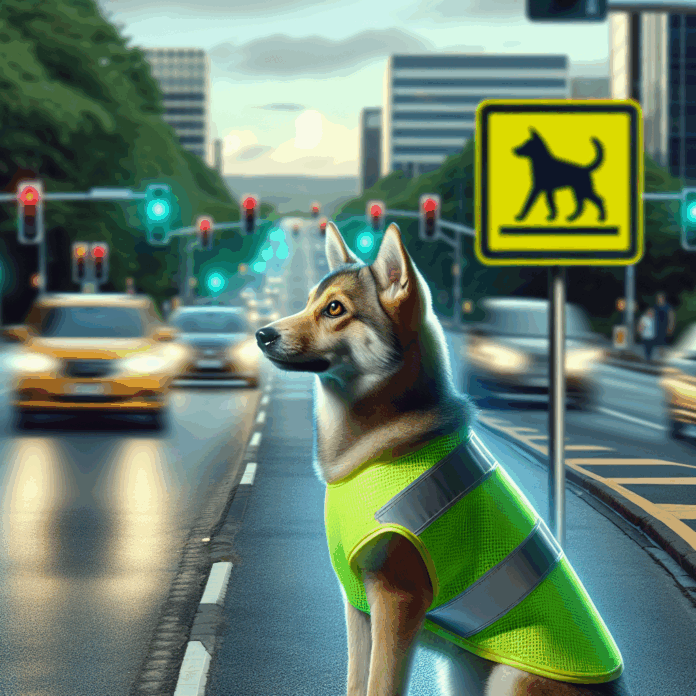
Creating a safe environment for your pets is just as crucial as providing them with food, water, and love. Pet-proofing your home not only protects your furry friends from potential hazards but also gives you peace of mind as they explore their surroundings. This guide will walk you through various strategies, tips, and best practices to ensure your home is a safe haven for your beloved pets.
Understanding Pet Behavior
Before diving into pet-proofing techniques, it’s essential to understand some basic behaviors exhibited by pets. Dogs and cats are naturally curious creatures, often inclined to explore their environments. Their inquisitive nature can lead them to investigate areas that might hold dangers, such as cabinets, counters, and yards. Recognizing these behaviors enables you to anticipate potential risks.
Common Household Hazards
Toxic Plants: Many common household plants, such as lilies, poinsettias, and philodendrons, are toxic to pets. Make sure to either remove these plants or place them out of reach.
Chemicals and Cleaning Supplies: Products like cleaners, detergents, and pesticides can be harmful. Always store these items in cabinets secured with childproof locks.
Electrical Cords: Pets are known to chew on cords, which can lead to severe electrical shock or fire hazards. Use cord protectors or hide wires behind furniture.
Small Objects: Items such as buttons, coins, and small toys pose a choking hazard. Keep small objects off the floor and store them in secure places.
- Food and Medications: Many human foods and medications are dangerous for pets. Chocolate, grapes, onions, and certain medications can be fatal. Always keep these items out of reach.
Room-by-Room Safety Tips
Living Room
- Secure Cords: Use cord wraps to keep electrical cords organized and out of reach.
- Furniture Arrangement: Ensure that heavy furniture is secured to the wall to prevent tipping.
- Hide Breakables: Keep fragile items and decorative pieces on high shelves or enclosed.
Kitchen
- Cabinet Locks: Use childproof locks on lower cabinets where cleaning supplies and sharp tools are stored.
- Countertops: Avoid leaving food unattended on countertops, as pets may jump up to grab a snack.
- Trash Disposal: Use a trash can with a secure lid to prevent pets from rummaging through waste.
Bathroom
- Medication: Store all medications and vitamins in cabinets with locks.
- Toilet Lids: Keep toilet lids closed to prevent pets from drinking potentially harmful water.
- Bathroom Contents: Store grooming products, such as razors and fragrances, out of reach.
Bedroom
- Clothing: Be cautious of loose clothing items that pets could swallow.
- Access to Closets: Use door stoppers to prevent pets from getting stuck in small spaces.
- Bedside Items: Remove items like jewelry and decorations that pets might knock over.
Outdoor Spaces
- Secure Fencing: Ensure your yard is enclosed with a sturdy fence to keep pets safe from wandering off.
- Toxic Plants: Avoid planting toxic species like foxglove or oleander.
- Pool Safety: If you have a pool, use a safety cover or fence it off to prevent accidents.
Additional Safety Considerations
Training
Training your pet to understand boundaries is vital. Basic commands like "leave it" or "stay" can be helpful in keeping them safe from hazardous areas. Consistent training also encourages safe behavior around household items.
Identification
Always ensure your pets have proper identification. Microchipping is an effective way to identify lost pets, while collars with ID tags can provide immediate identification.
Regular Vet Visits
Routine check-ups can help catch potential health issues before they escalate. Your veterinarian can also inform you about any specific hazards related to your pet’s breed, age, and health condition.
Emergency Preparedness
Having a pet emergency plan in place is crucial. Familiarize yourself with local vet clinics and animal hospitals, and keep a pet first aid kit handy.
Creating a Safe Routine
Develop a routine that includes regular checks of your living spaces for any potential hazards. Keeping a consistent cleaning schedule helps minimize risks by ensuring that small items are picked up and cleaning supplies are stored securely.
Conclusion
Pet-proofing your home is an ongoing commitment that requires regular attention and adjustment. By understanding your pet’s behaviors and the potential risks in your environment, you can create a safe and welcoming home for your furry friends.
FAQs
1. How can I tell if a plant is toxic to my pet?
- Research plants or consult with a veterinarian to identify toxic species. Many online resources provide lists of safe and harmful plants.
2. What should I do if my pet ingests something toxic?
- Immediately contact your veterinarian or the Pet Poison Helpline. If possible, bring the substance with you for identification.
3. Are there any pet-proofing products you recommend?
- Yes! Look for childproof locks, cord protectors, and pet gates from reputable brands. Always read reviews and choose products that are durable and reliable.
4. How often should I check my pet-proofing measures?
- Conduct regular checks at least once a month or after any changes in your home, such as new furniture or decor.
5. Should I use natural cleaning products around pets?
- Opt for pet-safe cleaning supplies, or make your own using vinegar and baking soda to minimize chemical exposure.
In conclusion, safeguarding your home for your furry friends is a vital part of responsible pet ownership. By taking proactive measures and educating yourself about potential risks, you can ensure that your pets are safe and happy in their environment.

