After two years of recalibration following the pandemic-era boom, 2025 shaped up to be a cautious but clarifying year for mergers and acquisitions in the pet industry. Deal flow slowed, valuations came under pressure, and buyers became increasingly selective.
But against this more measured backdrop, a clearer picture emerged of where capital is still flowing — and what companies must bring to the table to attract interest.
I recently spoke with six active acquirers in the pet space, and am cautiously optimistic that the slowest period in my 15-year M&A career will soon come to an end. I asked them for their take on how 2025 unfolded, which categories are commanding the most attention, and what sellers should expect heading into 2026. While perspectives varied slightly, a few strong themes rose to the top.
Deal Flow in 2025: Selective, Slow, and Strategic
The consensus was clear: the pace of deals in 2025 was significantly slower than the M&A frenzy of 2021–2022.
“The market has been very slow this year,” said Tyler Frances of Alpine Investors, noting that only a few pet sell side processes launched, and none were a fit for their firm.
Aliya Khaydarova of Inverness Graham echoed that sentiment, describing the environment as “definitely slow,” with many exits being delayed or falling through.
David Cunningham of Visio-Cap described it as “selectively active,” a phrase that captures the new reality. “The market has absolutely cooled from the exuberance of 2021–2022,” he said, “but meaningful activity continues, particularly where quality assets meet strategic fit.”
Not all players saw a total cooling off. Harrison Seeman from Central Garden & Pet reported increased activity in recent months from across a variety of sectors and said his team has shifted from a reactive to a proactive M&A stance. However, he acknowledged the bar for quality has risen. “It’s not like the floodgates have opened yet,” he said.
What Buyers Still Want: Consumables, Services, and Durability
Despite the slowdown, certain categories continue to attract sustained interest—especially those that offer resilience, growth potential, and clear differentiation.
Consumables remain a favorite across nearly all investor profiles.
“There’s still strong interest in consumables,” said Ekta Sharma of Topspin Consumer Partners, who emphasized the importance of pricing strategy and supply chain transparency.
Tyler Frances noted a specific focus on cat food within Alpine’s portfolio company, Antelope Pets.
Aliya Khaydarova, meanwhile, said Inverness’s portfolio company, Treat Planet, is focused exclusively on treats, steering clear of pet food altogether.
Pet services also emerged as a standout.
“Pet services, including boarding, daycare, training, and grooming, have proven remarkably resilient,” said Walter Florence of Frontenac. His firm’s platform company, Digs Dog Care, is on track to close 15 add-on acquisitions this year alone — highlighting how growth can continue even in a tighter market.
Other hot spots include premium and functional products, pet health and supplements, and even pet insurance, which Florence says is gaining momentum as pet owners face rising vet bills.
What’s Changed in Buyer Behavior
Several respondents pointed out that buyers are far more disciplined than they were two years ago — and less likely to chase deals unless they check several key boxes.
“The pet sector offers two traits that investors like: resilience and profitable growth,” said Florence. “Companies that can demonstrate both are still attracting serious interest.”
Harrison Seeman emphasized that Central is evaluating businesses based on fundamentals like barriers to entry, margin potential, and management strength — it’s important that growth potential is aligned with valuation.
Across the board, investors noted a compression in valuation multiples, especially among public pet companies. This has created a valuation gap between sellers’ expectations and buyers’ willingness to pay.
“The returns that sellers want should come from fundamental growth, not just hoping for a really high multiple,” Seeman added.
Is Now a Good Time to Sell?
So, what’s the outlook for sellers heading into 2026?
The answer depends heavily on the quality of the business — and the seller’s expectations.
“If you have an ‘A’ asset and the trendlines are there, there will be interest,” said Ekta Sharma, while also noting that tariff exposure and supply chain vulnerabilities will come under increasing scrutiny.
“Well-positioned and well-run pet businesses have continued to attract acquisition interest throughout 2025,” said Walter Florence. “And this dynamic is expected to persist.”
David Cunningham put it succinctly:
“Today’s pet M&A market rewards preparation and focus,” he said. “The capital is there, but only for businesses that can clearly articulate why they will endure and grow in any environment.”
Sellers hoping to command strong valuations must demonstrate more than top-line growth. What buyers want now are clean financials, margin durability, and a clear strategic fit — especially for platform buyers looking to bolt on synergistic brands.
For less prepared or underperforming companies, it may be wiser to wait. Aliya Khaydarova doesn’t believe now is the right time for most pet companies to sell. “Unless you have an A asset that’s profitable and growing — and not impacted by macro trends — I’d imagine most people will wait,” she said.
Looking Ahead to 2026: Signs of Optimism, but Still Cautious
Most experts agreed that the worst of the slowdown may be behind us, but few expect a roaring return to 2021–2022 deal velocity.
There’s optimism that more assets will come to market in 2026, especially as interest rates decline, there is more certainty around tariffs, and the valuation gap narrows. Several respondents mentioned “pent-up demand” from buyers, especially for well-run companies with solid fundamentals.
“There’s a lot of cash out there and a shortage of good companies,” Seeman noted. “We’d love to see more high-quality businesses come to market.”
The bottom line? The pet industry remains one of the most compelling consumer sectors for long-term investors. But in 2026, just being in pet won’t be enough. Sellers will need to show how they stand out — and why they’re built to last.
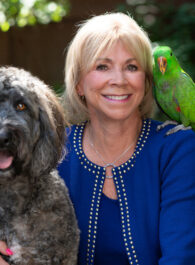
 Carol Frank is passionate about business, animals and the intersection of the two. After starting her career as a CPA, Frank founded and operated three pet companies – a retail pet store, a wholesale distribution company, and a pet product manufacturing company. She then leveraged her experience in both finance and entrepreneurship to start BirdsEye Advisory Group,an M&A Advisory firm that helps pet company founders and entrepreneurs when they are ready to sell their business. She has a BBA in accounting from The University of Texas at Austin and an MBA from Southern Methodist University. Frank has served in leadership roles within the pet industry and on the board of more than a dozen nonprofit and business organizations. Her biggest passion is animals and she is thrilled to share her life with her Eclectus parrot Peri, and Daphne, a sweet, energetic Whoodle. She loves skiing, biking and birding.

