

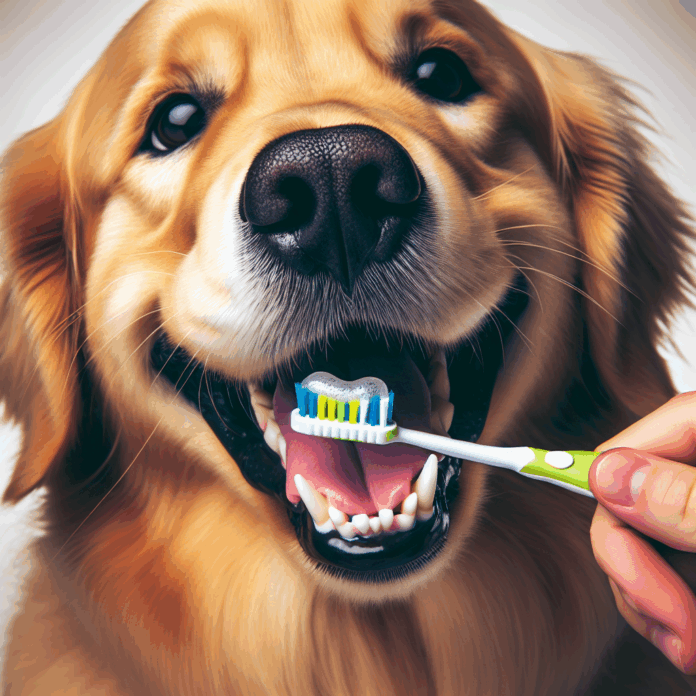
Just like humans, dogs require regular dental care to maintain their overall health. Neglecting your dog’s teeth can lead to a range of health issues, including gum disease, tooth loss, and even systemic problems affecting the heart and kidneys. To keep your furry friend’s pearly whites shining, regular brushing should be part of your grooming routine. In this article, we will guide you through a step-by-step process for effective dog tooth brushing, along with some frequently asked questions to help you along the way.
Why Brush Your Dog’s Teeth?
Before delving into the how-to, it’s essential to understand why dental care is vital for dogs. According to the American Veterinary Dental College (AVDC), by the age of three, an estimated 80% of dogs exhibit some signs of dental disease. Brushing your dog’s teeth helps to:
- Prevent Plaque Buildup: Plaque can harden into tartar; removing it efficiently will keep your dog’s mouth cleaner.
- Avoid Gum Disease: Regular brushing decreases the chance of gingivitis and periodontal disease.
- Freshen Breath: An added bonus is the improvement in your dog’s breath!
- Promote Overall Health: Dental issues can lead to other serious health problems, so maintaining oral hygiene is crucial.
Step-by-Step Guide to Dog Tooth Brushing
Step 1: Gather Your Supplies
To start, ensure you have the following supplies:
- Dog Toothbrush: Look for a brush specifically designed for dogs; these are often softer and shaped to reach all areas of your dog’s mouth.
- Dog Toothpaste: Never use human toothpaste, as it can be harmful to dogs. Dog toothpaste is available in flavors that appeal to dogs, making the process more enjoyable for them.
- Dental Chews and Mouth Rinses: These can supplement brushing but shouldn’t substitute it.
Step 2: Familiarize Your Dog With the Process
It’s essential to introduce your dog to the idea of brushing gradually:
- Start Slowly: Show them the toothbrush and toothpaste. Let them sniff it to pique their curiosity.
- Taste Test: Put a tiny bit of dog toothpaste on your finger and let your dog lick it. This will help them associate the taste with something positive.
Step 3: Get Your Dog Comfortable
Creating a calm environment is crucial for the brushing process:
- Pick a Quiet Spot: Choose a relaxing area free from distractions.
- Use Positive Reinforcement: Praise your dog and offer treats during this process, conditioning them to feel excited about tooth brushing.
Step 4: Position Your Dog
Depending on your dog’s size, you can either sit or kneel:
- Small Dogs: Place them on a table or your lap.
- Medium to Large Dogs: They can stand or sit on the floor. Ensure they are calm and relaxed.
Step 5: Start Brushing
Now that your dog is comfortable, it’s time to begin brushing:
- Lift the Lips: Gently lift your dog’s lips to expose the outer surfaces of their teeth.
- Angle the Brush: Hold the toothbrush at a 45-degree angle against their teeth. This positioning helps clean the gum line effectively.
- Short Circular Motions: Using short, circular motions, brush the outer surfaces of the teeth. Make sure to cover the back and molars, where plaque often accumulates.
- Avoid the Inside: Focus primarily on the outer surfaces, as most gum disease starts here. If your dog is receptive, you can gently brush a little on the inside surface too.
Step 6: Rinse and Repeat
Dogs may not rinse after brushing, but you can offer a water bowl afterward:
- Praise: Immediately after brushing, praise your dog and reward them with a treat.
- Consistency: Aim to brush your dog’s teeth at least 2-3 times a week, if not daily, for optimal oral health.
Step 7: Monitor for Dental Issues
Keep an eye on your dog’s oral health:
- Watch for Changes: Look for discoloration, swelling, or bleeding gums. If any issues arise, consult your veterinarian.
Tips for Success
- Be Patient: It may take time for your dog to accept brushing. Start slow, especially if your dog is anxious.
- Use Positive Reinforcement: Always associate brushing with something positive.
- Schedule Regular Vet Check-ups: Regular dental check-ups can help identify issues early and keep your dog’s oral health in check.
FAQs
1. How often should I brush my dog’s teeth?
Ideally, you should brush your dog’s teeth daily. However, brushing at least 2-3 times a week is beneficial if daily is not feasible.
2. What kind of toothpaste should I use?
Always use toothpaste specifically formulated for dogs. Human toothpaste contains ingredients that can be harmful to pets.
3. Can I use a regular toothbrush?
While you can use a regular toothbrush, dog toothbrushes are designed to fit comfortably in your dog’s mouth and are typically softer, making them more suitable.
4. My dog hates getting his teeth brushed. What should I do?
Start slowly, allowing your dog to become accustomed to the toothbrush and toothpaste. Use positive reinforcements like treats and praise to create a positive experience.
5. How can I tell if my dog has dental problems?
Signs of dental problems include bad breath, swollen gums, difficulty eating, loss of teeth, or excessive drooling. If you notice any of these symptoms, consult your veterinarian.
6. Are there alternatives to brushing?
While brushing is the most effective method for maintaining dental health, dental chews and water additives can help reduce plaque and tartar buildup. However, they should not replace brushing entirely.
7. What if my dog has existing dental issues?
If your dog shows signs of dental disease, consult your veterinarian for a professional dental cleaning and advice on at-home care.
Conclusion
Brushing your dog’s teeth may seem daunting, but breaking it down into manageable steps can simplify the process. Integrate tooth brushing into your grooming routine, and your dog will enjoy a healthier mouth and a happier life. With patience, consistency, and plenty of positive reinforcement, you can achieve a pawsitively clean smile for your furry friend.

