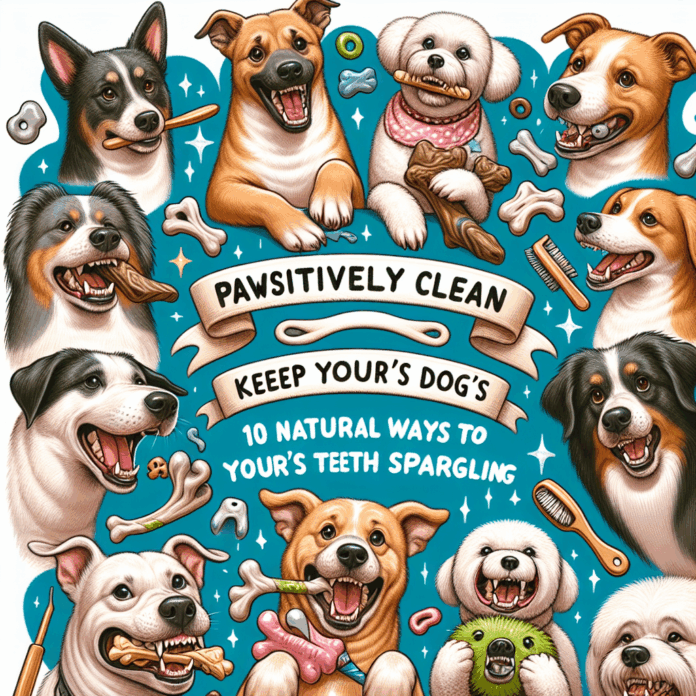
Maintaining your dog’s dental hygiene is crucial for their overall health and well-being. Just like humans, dogs can suffer from dental issues such as plaque buildup, gingivitis, and even periodontal disease. Fortunately, you don’t need to rely solely on commercial dental products to keep your furry friend’s teeth healthy. Here are ten natural ways to ensure your dog’s teeth stay sparkling clean.
1. Regular Tooth Brushing
The most effective way to maintain your dog’s dental hygiene is by brushing their teeth regularly. Use a toothbrush designed for dogs and a toothpaste specifically formulated for canine use. While minty human toothpaste may taste great, it can be harmful to dogs due to its fluoride content. Aim for brushing at least two to three times a week; daily brushing is ideal.
2. Dental Chews
Natural dental chews can significantly reduce plaque and tartar buildup. Look for chews made from natural ingredients that promote dental health. Raw carrots, sweet potatoes, or specially formulated dental chews can provide a tasty way to help your dog chew away grime. Always supervise your dog with any dental chew to ensure they don’t choke.
3. Fresh Fruits and Vegetables
Incorporating fresh fruits and vegetables into your dog’s diet can aid in cleaning their teeth. Crunchy options such as apples, celery, and cucumbers can naturally remove plaque while also providing important vitamins and fibers. Just be cautious of what fruits are safe for dogs—avoid those high in sugar or toxic to canines, such as grapes and chocolate.
4. Coconut Oil
Coconut oil is not just a tasty treat for your dog; it’s also an excellent natural cleaner for their teeth. Its antimicrobial properties help fight bacteria that cause bad breath and plaque buildup. You can use coconut oil in homemade dog treats or even apply a small amount to your dog’s toothbrush. Just make sure to use it in moderation as part of a balanced diet.
5. Apple Cider Vinegar
Apple cider vinegar (ACV) can also be a great addition to your dog’s dental routine. It has antibacterial properties that can help reduce plaque and freshen breath. Mix a teaspoon of ACV with water and add it to your dog’s drinking bowl, or dip their toothbrush into it when brushing their teeth. However, make sure to consult your veterinarian about the appropriate amounts, as too much can cause digestive issues.
6. Green tea
Green tea is another natural option that can be used to support your dog’s dental health. It contains catechins, which are antioxidants that help combat bacteria responsible for dental diseases. You can offer your dog green tea as a refreshing drink or as an ingredient in home-cooked meals. Ensure it’s unsweetened and cooled to room temperature before offering it to your canine companion.
7. Regular Vet Check-ups
While this may not be a DIY method, regular vet check-ups are critical for maintaining your dog’s dental health. Your veterinarian can perform professional cleanings and identify any early signs of dental issues. Establishing a dental hygiene routine at home, combined with professional care, gives your dog the best chance for a healthy smile.
8. Herbal Remedies
Certain herbs, such as parsley and sage, can help freshen your dog’s breath and support dental health. When blended into their meals or given in treat form, these herbs can be effective natural cleansers. Just be sure to research the herbs you plan to use and consult with a veterinarian beforehand.
9. Raw Bones
Raw, meaty bones can be an excellent way to help clean your dog’s teeth naturally. Chewing on raw bones can remove plaque and promote gum health. Avoid cooked bones, which can splinter and cause serious health issues. Ensure the bones are appropriately sized for your dog to prevent choking hazards.
10. Water Additives
Natural water additives designed for dogs can help fight bad breath and plaque buildup. While many commercial options exist, you can create a simple solution at home by mixing a few drops of essential oils, such as peppermint or tea tree oil, into your dog’s water. Always ensure that the oils are pure, high-quality, and safe for canine use.
FAQs
1. How often should I brush my dog’s teeth?
Ideally, you should brush your dog’s teeth at least two to three times a week. Daily brushing is best for optimal dental health.
2. Are there specific fruits and vegetables that are safe for dogs?
Yes, safe options include apples (without seeds), carrots, cucumbers, and blueberries. Always research before introducing new foods to your dog’s diet.
3. Can I use human toothpaste to brush my dog’s teeth?
No, human toothpaste can be harmful to dogs. Always use a toothpaste specifically formulated for canine use.
4. What signs should I look for that indicate dental problems?
Common signs of dental issues in dogs include bad breath, swollen gums, difficulty eating, and excessive drooling. If you notice any of these symptoms, consult your veterinarian.
5. Is it necessary to get professional dental cleanings for my dog?
Yes, professional cleanings are important for maintaining dental health, especially if you find it difficult to keep up with home care. Your veterinarian can provide a thorough cleaning and identify any existing issues.
6. Are raw bones safe for dogs?
Yes, raw bones can be safe and beneficial for dogs. However, avoid cooked bones, which can splinter. Choose bones that are appropriate for your dog’s size.
7. Can dental chews replace brushing?
While dental chews can help clean your dog’s teeth, they should not replace regular brushing, which is the most effective way to prevent dental issues.
8. What is the best way to introduce new dental care routines to my dog?
Start slowly and be gentle. Introduce new routines gradually, using positive reinforcement with treats and praise to encourage your dog’s cooperation.
9. How can I improve my dog’s bad breath?
Improving your dog’s dental hygiene routine, including regular brushing and incorporating natural remedies like parsley or coconut oil, can help reduce bad breath.
10. What should I do if my dog is very resistant to teeth brushing?
Be patient and try to make it a positive experience. Use tasty dog toothpaste, reward with treats, and start with just a few teeth at a time, gradually increasing as your dog becomes comfortable.
By taking a proactive approach to your dog’s dental health, you can help them live a longer, healthier, and more vibrant life. Start incorporating these natural methods today, and you’ll see the difference in your dog’s smile!

