

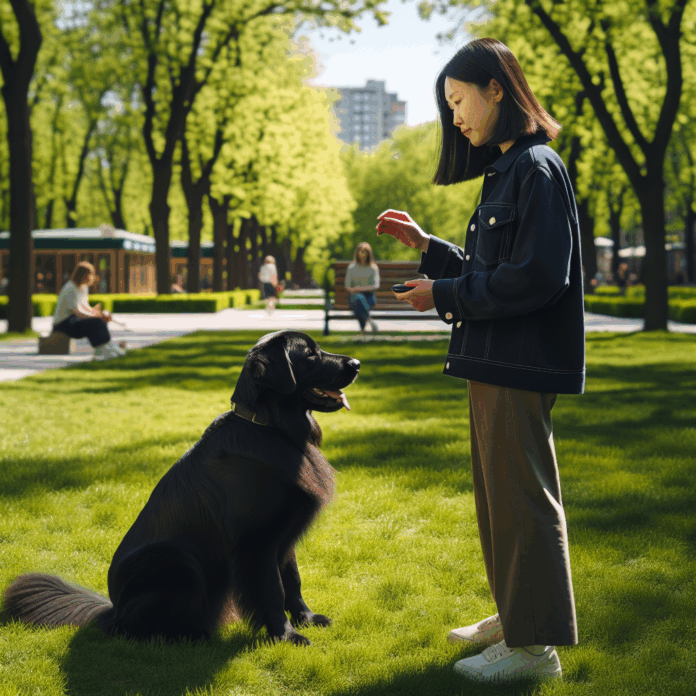
Socialization is a crucial part of dog ownership, impacting not only your dog’s behavior but also its quality of life. Proper socialization helps your canine friend navigate the world with confidence and reduces behavioral issues that can stem from fear and anxiety. In this article, we’ll explore essential tips for successful dog socialization, ensuring that your furry companion is not just well-behaved but also happy in various environments.
Understanding Dog Socialization
Dog socialization refers to the process of exposing your dog to different people, environments, and experiences. While it’s particularly important for puppies, socialization should continue throughout your dog’s life. The goal is for your dog to become well-adjusted, confident, and non-aggressive in various situations. Poor socialization can lead to behavioral issues such as fear aggression, anxiety, or shyness.
Why Socialization is Important
Reduces Fear and Anxiety: Dogs that are well-socialized are less likely to develop fears of novel experiences or environments. This can prevent problems such as barking, growling, or even biting.
Promotes Good Behavior: A well-socialized dog understands appropriate behaviors in different contexts, which contributes to easier training and better relationships with people and other dogs.
- Enhances Quality of Life: A confident dog can enjoy walks, outings, and playdates without stress, leading to a happier, healthier life.
Essential Tips for Successful Dog Socialization
1. Start Early
The critical period for puppy socialization is between 3 to 14 weeks old. During this time, puppies are particularly receptive to new experiences. Expose your puppy to various sights, sounds, people, and environments to build a strong foundation for social skills.
2. Use Positive Reinforcement
Use treats, praise, and toys to reward your dog for calm and positive behavior in new situations. Positive reinforcement not only encourages good behavior but also helps your dog associate new experiences with good things.
3. Introduce Gradually
When introducing your dog to new experiences, do it gradually. The goal is to avoid overwhelming your pet. Start with less challenging scenarios—like meeting a calm dog or going for a short car ride—before progressing to more complex situations like visiting a busy park.
4. Choose Socialization Locations Wisely
Select a variety of locations for socialization. Parks, pet stores, and dog beaches can provide different sights, sounds, and smells. Remember to assess each location for potential stressors, and choose a time when it will be less crowded if your dog is particularly anxious.
5. Expose to Various People and Animals
Introduce your dog to people of different ages, ethnicities, and appearances. Scheduling playdates with well-behaved dogs can also be beneficial. Monitor interactions closely to ensure they remain positive, stepping in if either dog shows signs of stress.
6. Enroll in Training Classes
Training classes serve as excellent socialization opportunities. They expose your dog to various distractions while also teaching commands and proper behavior. Look for classes that focus on positive reinforcement techniques and are appropriate for your dog’s age and skill level.
7. Provide Safe Spaces
Always offer your dog a safe retreat where it can relax and decompress, especially in busy or stimulating environments. This could be a designated quiet area at home or a specific room during social gatherings.
8. Monitor Body Language
Understanding canine body language is essential for effective socialization. Learn to recognize signs of fear or discomfort, such as lip curling, growling, or tail tucking. If your dog shows these signs, it’s crucial to remove it from the situation and gradually expose it to the experience in a less overwhelming way.
9. Practice Patience
Socialization is an ongoing process that requires time and patience. Each dog is unique; some may take longer to adjust. Celebrate small victories and understand that setbacks can happen. Keeping a positive attitude will help your dog feel more secure.
10. Exposure to Different Sounds and Environments
Expose your dog to various sounds (traffic, thunderstorms, barking) and environments (busy streets, quiet parks) to help them become comfortable with different stimuli. Playing recordings of sounds can help desensitize your dog, but make sure to keep the volume low and gradually increase it to avoid overwhelming your pet.
FAQs About Dog Socialization
Q1: When is the best time to start socialization?
The best time to start socializing your dog is during the critical period, which is between 3 to 14 weeks of age. However, socialization should continue throughout your dog’s life.
Q2: What if my dog is fearful or aggressive toward other dogs?
If your dog is showing signs of fear or aggression, it’s crucial to work slowly. Avoid forcing interactions and consult a professional trainer or behaviorist who uses positive reinforcement techniques for more personalized guidance.
Q3: Can adult dogs be socialized, or is it too late?
It’s never too late to socialize a dog! While it may take more time and patience, adult dogs can learn new behaviors and become more comfortable in various situations.
Q4: Is it safe to take my unvaccinated puppy out?
It’s important to be cautious with unvaccinated puppies. Consider carrying them in high-traffic areas or arranging playdates with vaccinated, healthy dogs in secure environments.
Q5: How often should I socialize my dog?
Aim for consistent and regular socialization, incorporating different experiences into your dog’s routine. Even short daily outings can make a big difference.
Q6: What if my dog gets overstimulated during socialization?
If your dog appears overstimulated, it’s essential to remove it from the situation and give it some quiet time to decompress. Gradual exposure is key.
Q7: What should I do if my dog reacts negatively to new experiences?
If your dog reacts negatively, it’s vital to reassess the situation. Take a step back, avoid forcing the experience, and return to a more manageable scenario before gradually working your way back up.
Conclusion
Socializing your dog is a journey that can greatly enhance its quality of life and develop a well-adjusted canine companion. By following these essential tips and being patient, you’re setting the stage for positive experiences that will last a lifetime. Remember, the ultimate goal of socialization is to help your dog feel secure and confident in any situation, paving the way for a happy, well-rounded pet.

