In today’s fast-paced world, convenience has become a priority for pet owners, especially when it comes to caring for their furry companions. One of the essential aspects of pet ownership is ensuring that our dogs receive the best nutrition possible. With the rise of e-commerce, dog food delivery services have grown tremendously, providing an array of options to meet varying needs and preferences. This guide explores the ins and outs of dog food delivery options, helping you find the best fit for your canine companion.
Understanding Dog Nutritional Needs
Before diving into the delivery options, it’s crucial to understand what your dog needs for optimal health. A balanced diet for dogs typically includes:
- Proteins: Essential for growth, muscle development, and overall health.
- Fats: Important for energy and absorbing fat-soluble vitamins.
- Carbohydrates: Provide energy and aid in digestion.
- Vitamins and Minerals: Crucial for various bodily functions.
Different breeds, ages, and health conditions may require tailored diets, making it essential to consult with a veterinarian when selecting food. This ensures that your dog’s nutritional needs are met, no matter which delivery service you choose.
Types of Dog Food Delivery Options
1. Subscription Services
Subscription-based dog food delivery services have gained immense popularity. These services offer a recurring delivery of dog food directly to your doorstep. With flexible scheduling, you can choose how often you want your dog’s food to be delivered—weekly, bi-weekly, or monthly. Some popular subscription services include:
- The Farmer’s Dog: Offers fresh, human-grade dog food tailored to your pet’s specific dietary needs.
- Nom Nom: Focuses on freshly prepared meals using high-quality ingredients.
Advantages:
- Convenience of never running out of food.
- Often includes options for customized meal plans based on your dog’s size, age, and dietary restrictions.
Disadvantages:
- Potential higher costs compared to traditional stores.
- Commitment to a recurring subscription may not suit everyone.
2. Online Retailers
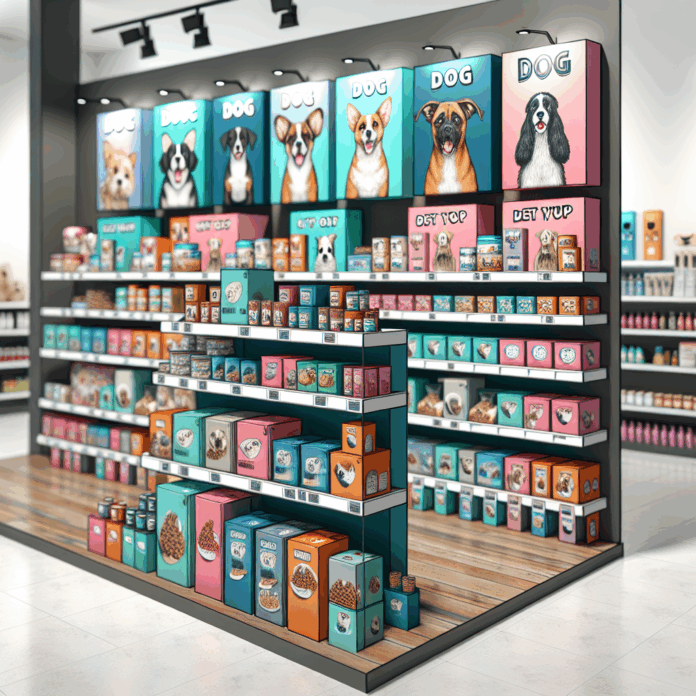
Many online retailers provide a wide range of dog food brands and types, allowing for easy comparison and choice. Websites like Chewy, Amazon, and Petco carry everything from kibble to specialty and raw diets.
Advantages:
- A vast selection of products and brands.
- Ability to read customer reviews and compare prices easily.
Disadvantages:
- Inconsistent delivery times depending on the retailer.
- Limited personalization compared to specialized services.
3. Local Pet Stores with Delivery Services
Many local pet stores are adapting to changing consumer demands by offering delivery services. These stores often stock high-quality, unique brands that may not be available at larger retailers, giving you the chance to support local businesses.
Advantages:
- Support for local economies.
- Personalized service; you can often discuss dietary needs with staff who are knowledgeable about the products they sell.
Disadvantages:
- Availability may vary by location.
- Possibly limited inventory compared to larger retailers.
4. Meal Kits for Dogs
Similar to human meal kits, some companies now offer meal kits designed specifically for dogs. These kits come with pre-portioned ingredients, allowing you to prepare fresh meals at home.
- PetPlate: Offers a rotating menu of fresh dog food.
Advantages:
- Control over meal preparation ensures quality.
- Engaging way to bond with your pet during the cooking process.
Disadvantages:
- Time-intensive; not as quick and easy as simply pouring kibble.
- Requires more effort than simply receiving pre-packaged food.
5. Veterinary-Supplied Delivery Services
If your dog requires a specific diet due to health issues, many veterinary clinics offer food delivery for prescription diets. This ensures that your pet receives the necessary nutrition for medical conditions.
Advantages:
- Trusted source for specialty diet food.
- Direct guidance from your veterinarian on the best options.
Disadvantages:
- Limited to prescription foods.
- Often more expensive than standard options.
Tips for Choosing a Dog Food Delivery Service
Assess Your Dog’s Dietary Needs: Consult your veterinarian for dietary recommendations based on your dog’s breed, age, and health.
Read Reviews and Ratings: Customer feedback can provide insights into the quality of service and products.
Check for Customization Options: Opt for services that allow you to tailor meal plans to meet your dog’s specific needs.
Consider the Cost: Compare pricing against your budget and determine the best value for your needs.
- Delivery Flexibility: Look for services that offer adjustable delivery schedules to accommodate your lifestyle.
FAQs about Dog Food Delivery Services
Q1: How do I determine the right type of food for my dog?
A1: Consult with your veterinarian for personalized dietary recommendations based on your dog’s age, weight, breed, and health conditions.
Q2: Are subscription services worth it?
A2: Subscription services can be convenient for busy pet owners. They offer continuous supply and often allow for customized plans, though they might be pricier than traditional purchasing methods.
Q3: Are there any health risks associated with dog food delivery?
A3: Potential risks include receiving food that is expired or improperly handled. Always check the packaging and delivery details to ensure quality.
Q4: Can I change my subscription plan easily?
A4: Most subscription services allow you to modify your plan, including changing food types, delivery frequency, or pausing your subscription.
Q5: Is there a return policy for dog food?
A5: Many reputable services have return policies, especially if the food is damaged or expired. Check specific retailer policies before purchasing.
Q6: How sustainable are dog food delivery services?
A6: Many companies are working toward more sustainable practices, such as eco-friendly packaging and sourcing ingredients ethically. Research individual brands for their sustainability initiatives.
Conclusion
Dog food delivery services offer an array of options that prioritize convenience and quality for pet owners. By understanding your dog’s nutritional needs and exploring the variety of delivery methods, you can ensure that your furry friend receives the best possible care. Whether you opt for a subscription service, local delivery, or online shopping, the ultimate goal remains the same: keeping your pet healthy and happy.

