

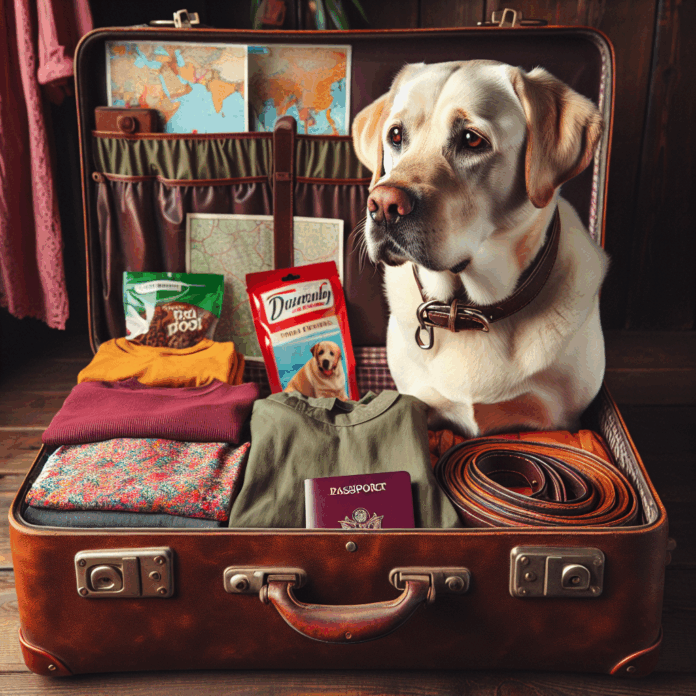
Traveling with your dog can be a joyful experience, full of shared adventures and cherished memories. However, it also requires careful planning and attention to detail to ensure a safe and enjoyable journey for both you and your furry friend. Here are essential tips and guidelines to make your travels a breeze, along with a FAQ section to address common concerns.
Preparing for the Trip
1. Choose the Right Destination
Before hitting the road, consider your destination. Some places are more dog-friendly than others, offering pet-friendly accommodations, parks, and activities. Research pet-friendly hotels, beaches, and hiking trails to ensure your dog will be welcome.
2. Visit the Vet
A pre-travel check-up is crucial. Make sure your dog is up to date on vaccinations and discuss any health concerns with your veterinarian. Get a copy of your dog’s health records in case you need to visit a veterinarian while traveling.
3. Pack the Essentials
Create a packing list for your dog to ensure you don’t forget anything important. Essentials include:
- Food and water
- Food and water bowls
- Leash and collar (including ID tags)
- Bed or blanket for comfort
- First aid kit
- Grooming supplies
- Poop bags
- Toys for entertainment
4. Consider Identification
Ensure your dog is easily identifiable. A collar with an ID tag containing your contact information is vital. Consider microchipping your dog for added security, especially if you’ll be traveling to unfamiliar areas.
Safety on the Road
5. Secure Your Pet
Safety should always be a priority when traveling. Use a pet seatbelt or a travel crate approved for car travel. Never allow your dog to ride in the front seat or with their head sticking out of the window. This can pose serious risks.
6. Plan for Breaks
Traveling can be exhausting for your pet. Schedule regular breaks every two to three hours to let your dog stretch their legs, relieve themselves, and drink water. Look for rest stops or dog parks along your route.
7. Avoid Leaving Your Dog Alone in the Car
Never leave your dog alone in a parked car, especially on hot days. Temperatures can rise quickly, leading to heatstroke, even with windows cracked. If you need to stop, take your dog with you whenever possible.
Staying Comfortable
8. Create a Comfortable Space
Make the car comfortable for your pup. Provide a blanket or dog bed, and keep the temperature at a comfortable level. A familiar space can help reduce anxiety during long drives.
9. Maintain Routine
Dogs thrive on routine, so try to stick to their regular feeding and exercise schedule as much as possible. Familiar smells, routines, and environments will help your dog feel more at ease in a new setting.
10. Use Calming Products if Needed
Consider using calming products if your dog gets anxious during travel. Options include calming collars, pheromone sprays, and natural supplements. Consult your vet for the best option for your furry friend.
Enjoying Your Destination
11. Explore Dog-Friendly Activities
Once you’ve arrived, take the time to explore dog-friendly activities. Visit local parks, go for hikes, or find pet-friendly beaches. Many cities have dog-friendly cafes or restaurants where your pup can join you.
12. Respect Others
Always keep your dog on a leash and respect local regulations regarding pets. Clean up after your pet and be courteous to others, ensuring your dog is well-behaved in shared spaces.
13. Watch for Signs of Stress
During your trip, keep an eye on your dog’s behavior. Signs of stress can include panting, drooling, or hiding. Make sure to set aside time for quiet, relaxation, and routine to help your dog adjust to new environments.
Post-Travel Care
14. Settling Back Home
Once you return home, allow your dog time to readjust. They may be tired or restless after your journey, so create a calming environment. Resume their normal routine to help them settle back in.
15. Monitor Their Health
Check for any signs of health issues after your trip. This includes any scratches, bites, or gastrointestinal issues brought on by diet changes. If you notice anything concerning, consult your veterinarian.
Frequently Asked Questions (FAQs)
1. Can I take my dog on a plane?
Yes, many airlines allow dogs to travel, but regulations differ. Check with your airline regarding size restrictions, crate requirements, and health documentation.
2. What should I do if my dog gets car sick?
If your dog has a history of car sickness, consult your veterinarian. They may recommend medication or tips for minimizing nausea, such as taking shorter trips or fasting before travel.
3. How can I keep my dog calm during travel?
To help ease anxiety, maintain a calm demeanor, create a familiar space, and consider using calming products if necessary.
4. What if my dog gets lost?
Ensure your dog has proper identification. If your pet is lost, start searching immediately, and contact local animal shelters. Utilize social media to spread the word within the community.
5. Are there specific laws I should know about traveling with my dog?
Laws regarding pets can vary by state and municipality. Research local leash laws, breed restrictions, and other regulations before you travel.
6. Can my dog stay in hotels with me?
Many hotels accept pets, but it’s essential to confirm their pet policy beforehand. Look for pet-friendly hotels that cater to your dog’s needs.
Traveling with your dog can be a remarkable experience if planned carefully. Following these tips can help ensure a safe, enjoyable journey, both for you and your furry companion. Happy travels!

