

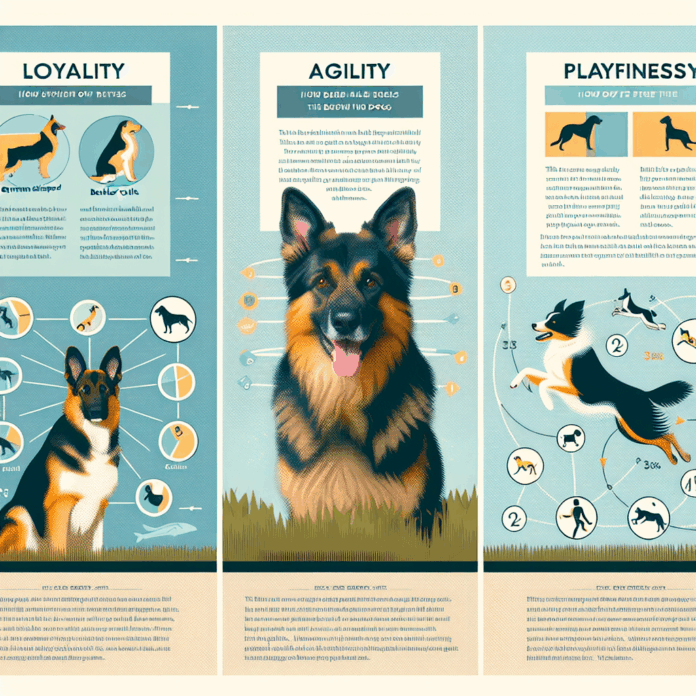
Dogs have shared their lives with humans for thousands of years, serving as companions, helpers, and protectors. With over 340 recognized dog breeds worldwide, each possesses unique traits, behaviors, and characteristics. Understanding these distinctions can enhance your experience as a pet owner, helping you choose the right breed for your lifestyle and needs. In this article, we will delve into the various traits of dog breeds, exploring their history, temperament, intelligence, and physical features.
The Historical Roots of Dog Breeds
The domestic dog (Canis lupus familiaris) evolved from wolves thousands of years ago. Early humans selectively bred dogs for specific tasks such as herding, hunting, guarding, and companionship. These purposes led to the creation of distinct breeds, each with specialized abilities.
Herding Breeds: Breeds like the Border Collie and Australian Shepherd are characterized by high intelligence and energy levels. They require ongoing physical and mental stimulation, making them well-suited for active families or individuals who can provide ample exercise and tasks to keep them busy.
Working Breeds: Breeds such as the Rottweiler and Siberian Husky have been developed for specific functions like guarding and pulling sleds. They often possess a strong, independent nature but thrive when given a job or responsibility.
Hound Breeds: Basset Hounds and Beagles are examples of scent hounds, known for their remarkable sense of smell. These breeds are often friendly and curious but can sometimes be stubborn, requiring gentle training methods.
Sporting Breeds: Retrievers and Spaniels excel in hunting and retrieving, showcasing endearing, friendly personalities. They are usually energetic, requiring significant exercise.
Toy Breeds: Breeds such as the Chihuahua and Pomeranian are small in size but often have big personalities. They can be affectionate and loyal but may have strong bonds with their owners and require gentle socialization.
- Terriers: Known for their feisty and energetic temperament, terriers like the Jack Russell and Bull Terrier were bred for vermin control. They often have a strong prey drive and require consistent training and socialization.
Distinct Traits of Dog Breeds
Temperament
Dog breeds exhibit diverse temperaments that influence their interactions with humans and other animals. Some breeds are naturally more sociable, while others can be reserved or assertive. For instance, Labrador Retrievers are renowned for their friendly and gentle nature, making them excellent family pets. In contrast, Chow Chows are more aloof and may be standoffish with strangers.
Intelligence
Intelligence varies significantly among breeds, affecting trainability and problem-solving skills. Border Collies are often considered the most intelligent breed, excelling in obedience and agility training. Meanwhile, breeds like the Afghan Hound may be perceived as less trainable, not due to lack of intelligence but rather independent thinking.
Physical Features
Physical traits such as size, coat type, and color play a significant role in breed differentiation. Larger breeds like the Great Dane or Mastiff require more space and specialized care, while small breeds can adapt to apartment living. Coat types vary widely, from the hypoallergenic Poodle to the double-coated Alaskan Malamute, affecting grooming needs and suitability for different climates.
Exercise Needs
Exercise requirements vary by breed and can affect your choice of pet. High-energy breeds like the Belgian Malinois and Vizsla require significant physical activity and mental engagement. On the other hand, breeds such as the Bulldog or Shih Tzu are more tolerant of a sedentary lifestyle, making them suitable for less active owners.
Lifespan and Health Considerations
Health and lifespan can differ among breeds. Small breeds typically live longer than large ones, but they may also suffer from different health issues. For example, small breeds like the Dachshund are prone to spinal issues, while large breeds like the Doberman may face cardiac conditions. Understanding these health risks can help you prepare for your pet’s needs.
Choosing the Right Breed
When selecting a dog breed, consider your lifestyle, living situation, and the amount of time and energy you can dedicate to training and exercise. Researching various breeds will help you understand their needs and traits, allowing you to find a match that suits your family.
Questions to Consider:
Activity Level: Are you an active individual or family? Would you prefer a breed that requires a lot of exercise, or one that is more relaxed?
Space: Do you have a large yard, or live in an apartment? Some breeds adapt better to smaller spaces.
Time Commitment: Are you able to invest time in training and socialization? Some breeds require more attention than others.
Allergies: Do you or someone in your family have allergies? Hypoallergenic breeds like the Poodle or Bichon Frise may be a better fit.
- Children and Other Pets: If you have children or other pets, it’s essential to choose breeds known for their compatibility.
FAQs
1. What is the most affectionate dog breed?
Labrador Retrievers, Golden Retrievers, and Cavalier King Charles Spaniels are often recognized for their affectionate nature and love for human companionship.
2. How do I train my dog effectively?
Training methods based on positive reinforcement, such as treats and praise, tend to yield the best results. Consistency and patience are key; every dog learns at its own pace!
3. Are certain breeds better for first-time owners?
Breeds like the Cavalier King Charles Spaniel, Labrador Retriever, and Beagle are considered good choices for first-time dog owners due to their friendly, easy-going nature.
4. Can I mix breeds for a unique dog trait?
Absolutely! Mixed-breed dogs can inherit desired traits from both parent breeds. Research both breeds to understand the potential traits.
5. How can I ensure my dog stays healthy?
Regular veterinary check-ups, a balanced diet, exercise, and mental stimulation are crucial for keeping your dog healthy and long-lived.
Conclusion
Understanding the distinct traits of different dog breeds is essential for potential pet owners. By considering temperament, intelligence, exercise needs, and health concerns, you can choose a breed that aligns with your lifestyle. Remember, dogs are not just pets but loyal companions who enhance our lives in countless ways. Choose wisely, and you’ll find a furry friend who will provide love and joy for many years to come.

