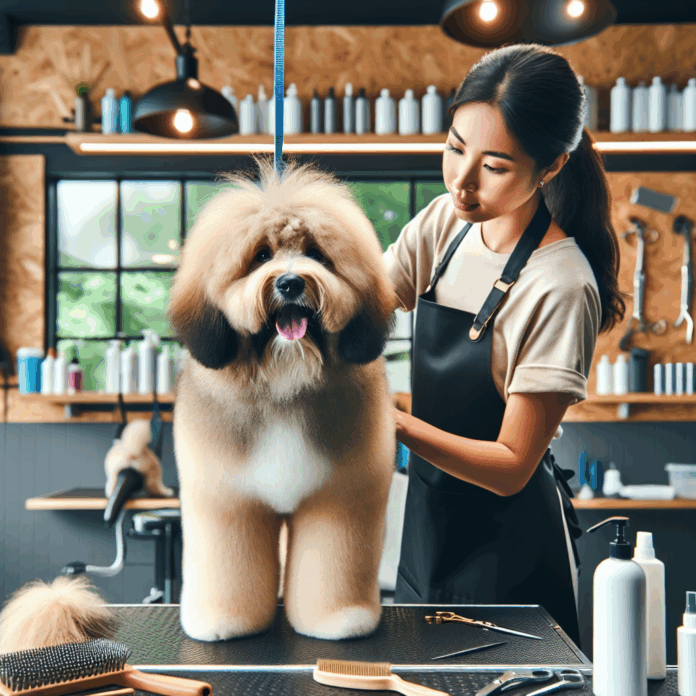
Grooming is an essential part of dog care that goes beyond merely keeping your pup looking good. Regular grooming helps maintain a healthy coat, prevents matting, and ensures your furry friend feels comfortable. In this article, we’ll explore the best grooming tools for various coat types and offer tips for making grooming a positive experience for both you and your dog.
Understanding Your Dog’s Coat Type
Before diving into the specific grooming tools, it’s vital to understand your dog’s coat type. Different breeds have differing hair structures and needs, which influences the kind of grooming products that will work best.
Short-Coated Dogs: Breeds like Beagles and Boxers have short, fine coats. They require less grooming than longer-haired breeds but still benefit from regular brushing to remove loose hair and dirt.
Medium-Coated Dogs: Breeds such as Bulldogs and Cocker Spaniels have medium-length fur. These pups typically require more frequent grooming to manage shedding and prevent tangles.
Long-Coated Dogs: Breeds like Golden Retrievers and Shih Tzus require regular grooming sessions to maintain their coats. Matting can occur without consistent care.
- Curly or Wavy Coated Dogs: Breeds like Poodles and Labradoodles have curly coats that need specialized grooming to prevent mats and tangles.
Essential Grooming Tools
Now that you know your dog’s coat type, let’s delve into the grooming tools that will help you keep your pup looking and feeling their best.
1. Brushes and Combs
Pin Brush:
For medium to long-haired breeds, a pin brush is ideal. Its long metal pins penetrate deep into the coat, helping to remove loose hairs and debris while preventing tangles.
Slicker Brush:
Perfect for dogs with thick or curly coats, a slicker brush effectively removes mats and tangles. Its fine, bent wires can reach the undercoat, making it a must-have tool for breeds prone to matting.
Bristle Brush:
Best suited for short-haired dogs, a bristle brush is gentle on the skin and helps distribute natural oils throughout the coat, giving it a healthy shine.
Comb:
A wide-toothed comb is great for detangling and working through knots. A fine-toothed comb can help remove flea dirt and eggs, especially important during the warmer months.
2. De-shedding Tools
For those breeds that shed heavily, de-shedding tools like the Furminator can be lifesavers. These tools are designed to remove loose undercoat hair without damaging the top layer. Regular use of a de-shedder can significantly reduce shedding around the house.
3. Bathing Tools
Dog Shampoo:
Choose a dog-specific shampoo that suits your pup’s skin type. For dogs prone to allergies, consider hypoallergenic options. Always avoid human shampoo, which can irritate a dog’s skin.
Bathing Brush:
A handheld bathing brush can make bath time easier. These brushes generally have rubber bristles that gently massage the skin while spreading shampoo evenly.
Bathing Tub or Spray Hose:
For larger breeds, consider a bathing tub or a spray hose attachment to facilitate easier rinsing. A non-slip mat can also make baths more comfortable for your pet.
4. Nail Clippers and Grinders
Regular nail trimming is crucial for maintaining your dog’s overall health. Nail clippers come in various styles, including guillotine, scissor, and electric types. Electric grinders can also be very effective and are often easier for first-time groomers to use, as they gently wear down the nail without the risk of cutting too deep.
5. Ear Cleaning Tools
It’s essential to keep your dog’s ears clean and healthy. Ear cleaning solutions specifically designed for pets can help prevent infections. Cotton balls or special ear wipes are great for applying the solution and gently wiping the ear canal.
6. Eye Care Tools
For breeds prone to tear staining (like Poodles or Bulldogs), consider using a tear-stain remover and a soft cloth dedicated to cleaning the area around the eyes.
7. Pet Towels and Blankets
Soft, absorbent towels specifically designed for pets can help dry your pup after bath time. Consider microfiber towels, which are highly absorbent and quick-drying, making them ideal for wet fur.
8. Grooming Tables and Restraints
Investing in a grooming table can be beneficial, particularly for larger dogs. Grooming restraints, such as harnesses or nooses, can keep your pup steady during grooming sessions, ensuring both of you stay safe.
Creating a Positive Grooming Experience
Grooming can be a stressful experience for some dogs, so it’s important to make it as positive as possible. Here are some tips:
Start Young: If you have a puppy, introduce them to grooming early. This builds familiarity and reduces anxiety as they grow.
Use Positive Reinforcement: Reward your dog with treats and praise during and after grooming sessions. This method encourages good behavior.
Keep Sessions Short: Especially for new dogs, keep grooming sessions short and gradually increase the duration as your dog becomes more comfortable.
- Regular Routines: Establish a consistent grooming schedule. Regularity helps your dog become accustomed to the process, making it less stressful over time.
Final Thoughts
Investing in the right grooming tools is essential for maintaining your dog’s coat health. Regular grooming not only keeps your pup looking great but also promotes a healthy lifestyle. Whether you are new to dog ownership or a seasoned pro, choosing the right tools and maintaining a positive grooming experience will benefit both you and your furry friend.
FAQs
1. How often should I groom my dog?
The frequency of grooming depends on your dog’s coat type. Short-haired breeds may need grooming once a week, while long-haired and curly breeds may require grooming several times a week.
2. What should I do if my dog is scared of grooming?
Start with short sessions and gradually introduce the grooming tools. Use treats and positive reinforcement to help your dog associate grooming with positive experiences.
3. Can I use human shampoo on my dog?
No, human shampoos can irritate a dog’s skin. Always use a shampoo specifically formulated for dogs.
4. How can I tell if my dog needs a bath?
If your dog has an odor, is dirty, or has excessive loose hair, it’s likely time for a bath. Regular brushing can also help minimize the frequency of baths.
5. What should I do if my dog has matted fur?
Attempt to gently detangle mats with a slicker brush. If you can’t remove them, consider taking your dog to a professional groomer, as cutting mats too close can hurt your pet.
By maintaining a knowledgeable and caring approach to grooming, you can help ensure that your beloved pup enjoys a healthy, beautiful coat for years to come!

