

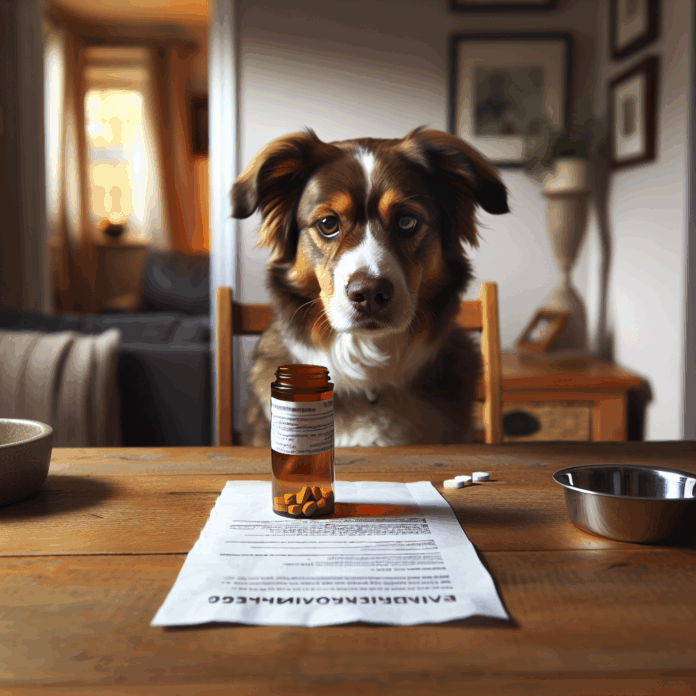
Dog allergies can be an overwhelming concern for pet owners, but understanding the types, treatments, and preventative measures can make a significant difference in managing your furry friend’s health. In this guide, we will cover what you need to know about dog allergies, from symptoms to medication options and finally, preventative measures.
Understanding Dog Allergies
Dog allergies can arise from various sources. They typically fall into three categories:
Environmental Allergies: These are triggered by environmental factors, such as pollen, dust mites, mold, and dander. Seasonal allergies often affect dogs in the spring and fall when pollen counts are high.
Food Allergies: Just like humans, dogs can be allergic to certain food ingredients. Common culprits include beef, chicken, dairy, wheat, and soy.
- Flea Allergies: Some dogs have an allergy to flea saliva, leading to intense itching and discomfort whenever they are bitten by a flea, even a single one.
Symptoms of Dog Allergies
Recognizing the signs of allergies is crucial for effective treatment. Here are some common symptoms:
- Itching and Scratching: Dogs may scratch relentlessly or bite at their skin.
- Red, Inflamed Skin: Allergies can cause dermatitis, resulting in redness and swelling.
- Ear Infections: Dogs may suffer from recurrent ear infections caused by allergies.
- Watery Eyes: Allergies can lead to watery, itchy eyes.
- Sneezing and Coughing: Persistent respiratory issues may signal environmental allergies.
- Gastrointestinal Issues: Food allergies can result in vomiting or diarrhea.
Diagnosis of Dog Allergies
If you suspect that your dog has an allergy, it’s important to consult a veterinarian for a proper diagnosis. They may perform:
- Skin Tests: To identify environmental allergens.
- Blood Tests: To check for specific food allergies or environmental allergens.
- Elimination Diet: To determine food allergies, your vet may recommend an elimination diet, where you introduce limited ingredients to identify triggers.
Medication Options for Dog Allergies
Once you understand your dog’s specific allergy, various treatment options may help alleviate their symptoms. Here are the main types of medications available:
1. Antihistamines
Common Options: Diphenhydramine (Benadryl), Cetirizine (Zyrtec), and Loratadine (Claritin).
These medications work by blocking histamines, which are responsible for allergic reactions. Antihistamines can alleviate itching, sneezing, and watery eyes. Always consult your vet before giving these to ensure the correct dosage.
2. Corticosteroids
Common Options: Prednisone and Dexamethasone.
Corticosteroids reduce inflammation and are effective in managing symptoms like itching and hot spots. However, these are usually prescribed for short-term use given potential side effects like increased thirst, urination, and weight gain.
3. Immunotherapy
This involves administering small amounts of the allergen to desensitize your dog’s immune system over time. It’s typically done through injections or sublingual tablets and requires a dedicated commitment over several months.
4. Omega-3 Fatty Acids
Adding Omega-3 fatty acids to your dog’s diet can help reduce inflammation associated with allergies. This can be beneficial for skin health and overall immune support.
5. Topical Treatments
Shampoos containing medicated ingredients, like oatmeal or aloe, can soothe irritated skin. Additionally, sprays or creams containing hydrocortisone can provide localized relief from itchy spots.
6. Flea Control Medications
For flea allergies, it’s essential to maintain rigorous flea control. Medications such as topical treatments like Frontline or oral medications like NexGard can help keep your dog flea-free.
7. Prescription Diets
For food allergies, your vet may recommend a prescription diet aimed at avoiding common allergens while providing balanced nutrition.
Preventative Measures
Preventing allergies in your dog involves a combination of good practices:
- Regular Grooming: Regular baths and brushing can help reduce allergens such as dander and pollen.
- Clean Environment: Keeping your home clean and free of dust and other allergens can make a significant difference. Regularly wash your dog’s bedding and vacuum often.
- Food Management: If food allergies are suspected, stick to a limited ingredient diet recommended by your vet.
- Seasonal Precautions: During high pollen seasons, limit outdoor time and consider wiping your dog’s paws and fur when returning inside to remove allergens.
When to Consult a Veterinarian
If your dog exhibits severe symptoms such as persistent vomiting, diarrhea, or signs of distress, seek immediate veterinary care. Others signs that warrant a visit include:
- Severe itching causing self-harm.
- Recurring ear infections.
- Swelling or hives.
FAQs
1. Can dogs develop allergies later in life?
Yes, allergies can develop at any age. A dog may be fine for years and suddenly start exhibiting symptoms.
2. Are there natural remedies for dog allergies?
Some owners find success with natural remedies such as coconut oil, apple cider vinegar, or colloidal oatmeal baths. Always consult your vet before trying these remedies.
3. Do all dogs with allergies need medication?
Not necessarily. Some mild cases can be managed with lifestyle changes, while others may require medication.
4. Can I give my dog human antihistamines?
Only under the guidance of your veterinarian. Dosage for human medications can be very different for dogs.
5. Will my dog outgrow its allergies?
It is possible for some dogs to outgrow food allergies, but environmental allergies typically persist throughout life.
6. Is there a specific diet that can help with allergies?
A hypoallergenic or novel protein diet designed to eliminate common allergens may help. Consult your vet for the best options.
Navigating dog allergies can be a challenging experience for pet owners, but with the right knowledge, treatment, and preventive measures, you can support your dog’s health and comfort effectively. Stay informed, consult your veterinarian regularly, and monitor your pet’s symptoms closely to ensure they lead a happy, healthy life.

