

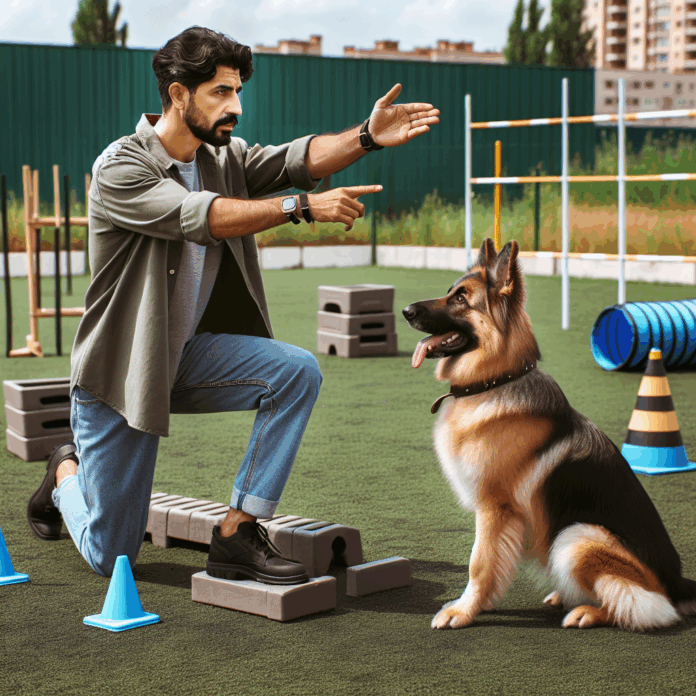
Training your puppy is not just about instilling good behavior; it’s about building a lasting bond and understanding between you and your furry friend. Two foundational commands that every puppy should learn are "Sit" and "Stay." These commands serve as a foundation for more advanced training and can significantly enhance your dog’s behavior at home and in social settings. In this article, we will guide you through the step-by-step process of training your puppy to master these essential commands.
Why "Sit" and "Stay" Are Important
Before delving into the training process, it’s crucial to understand why these commands are so vital:
Safety: Teaching your puppy to sit and stay can keep them out of potentially dangerous situations. A well-timed "Stay" can prevent your dog from running into the street.
Impulse Control: Both commands help your puppy develop self-control, reducing impulsive behaviors like jumping on guests or grabbing food without permission.
Focus and Attention: Training sessions enhance your puppy’s focus on you, which is vital for all forms of training and interaction.
- Building Trust: Successfully guiding your puppy through training fosters trust and strengthens your relationship.
Preparing for Training
Before you start training your puppy, ensure that you have the following:
A Quiet Environment: Choose a space free from distractions to help your puppy focus better.
Treats: Use small, tasty treats as positive reinforcement. Make sure they are bite-sized for quick rewards.
Patience and Consistency: Training takes time, so be patient and consistent with your commands and rewards.
- Short Sessions: Puppies have short attention spans, so aim for sessions lasting about 5-10 minutes.
Training Your Puppy to Sit
Step 1: Get Your Puppy’s Attention
Start by standing in front of your puppy and calling their name to get their attention. Make sure you have a treat ready.
Step 2: Lure Them into Position
Hold the treat close to your puppy’s nose. Slowly move the treat upward and back over their head. As your puppy follows the treat with their eyes and nose, their bottom will naturally lower to the ground.
Step 3: Use the Command
As soon as your puppy sits, say “Sit” clearly and enthusiastically. Reward them immediately with the treat and lots of praise.
Step 4: Repeat and Reinforce
Repeat this process multiple times until your puppy associates the action with the command. Gradually begin to extend the time between your command and the reward. This helps reinforce the behavior without them expecting a treat every single time.
Step 5: Gradually Increase Distractions
Once your puppy has mastered “Sit” in a quiet environment, practice the command in different settings and with more distractions, always rewarding good behavior.
Training Your Puppy to Stay
Step 1: Start with “Sit”
Have your puppy sit before beginning the “Stay” training.
Step 2: Introduce the Command
While your puppy is sitting, open your palm toward them and say “Stay” confidently but calmly.
Step 3: Take a Step Back
Take a small step back while maintaining eye contact with your puppy. If they remain seated, return immediately and reward them with a treat and praise.
Step 4: Gradually Increase Distance and Time
Start increasing the distance and duration of the stay command while maintaining eye contact. If your puppy breaks the stay, calmly guide them back to the sitting position and try again.
Step 5: Use Distractions
As with “Sit,” begin practicing “Stay” in different environments and with more distractions. Be patient as your puppy learns to maintain focus.
General Tips for Effective Training
Be Positive: Always use positive reinforcement. Punishing your puppy can lead to fear and anxiety.
Stay Calm: If your puppy does not respond, remain calm and avoid frustration. Training is a process.
Incorporate Play: Keep your training sessions fun with games and playtime. This will make your puppy look forward to learning.
- End on a High Note: Always finish your training sessions on a positive note, even if that means reverting to a command your puppy has already mastered.
Troubleshooting Common Issues
Puppy Won’t Sit: If your puppy consistently refuses to sit, try lowering your treat closer to the ground to help guide their bottom down.
Puppy Breaks “Stay”: If your puppy breaks the stay command, calmly return them to the original position without expressing frustration. Try a shorter duration for the stay.
- Distractions: If your puppy cannot focus due to distractions, practice in a quieter environment before gradually introducing distractions.
FAQs
Q: At what age should I start training my puppy?
A: You can start training as early as 8 weeks old. Puppies are highly receptive to learning during this period.
Q: How long should training sessions last?
A: Keep sessions to about 5-10 minutes, several times a day, to maintain your puppy’s attention.
Q: What if my puppy doesn’t respond to treats?
A: Try different types of treats or use their favorite toy as a reward. Some puppies respond better to praise or playtime.
Q: Can I train my puppy without treats?
A: Yes! While treats can be effective, using praise, toys, or play can be just as rewarding for your puppy.
Q: How will I know when my puppy has mastered “Sit” and “Stay”?
A: Your puppy has mastered these commands when they consistently respond to the commands in various environments and with different distractions.
Q: What if my puppy only responds occasionally?
A: Consistency is key. Return to more basic training until your puppy is confident, then gradually introduce new distractions.
Training your puppy to "Sit" and "Stay" lays the groundwork for a well-mannered dog. Remember to always use patience and positivity, and celebrate those small victories along the way. With time and dedication, you’ll not only teach your puppy essential commands but also strengthen the bond between you two.

