

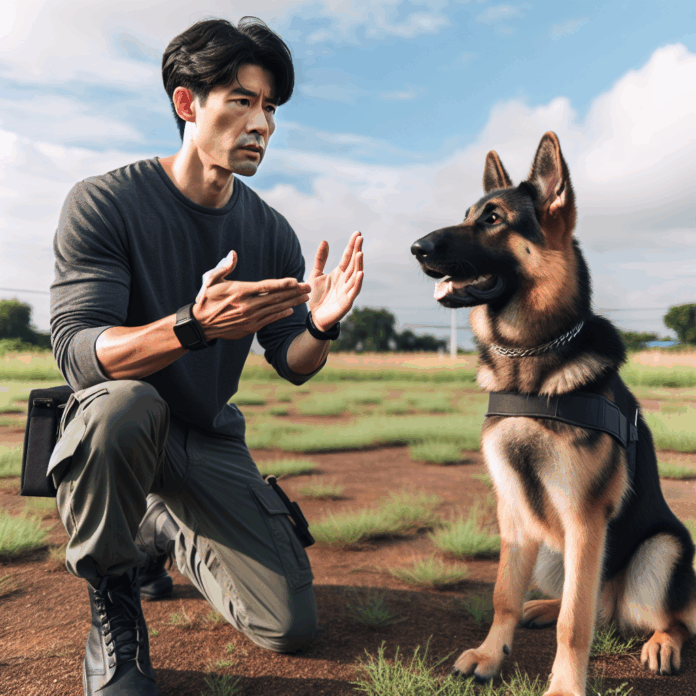
Bringing a puppy into your home is an exciting adventure filled with joy, laughter, and the occasional challenge. One of the most significant challenges many new dog parents face is potty training. While it may seem daunting, potty training is a crucial step that helps establish acceptable behavior, ensures a clean home, and fosters a strong bond between you and your furry friend. This article provides a comprehensive step-by-step schedule to successfully potty train your puppy, along with some FAQs to guide you through the process.
Understanding Your Puppy’s Natural Instincts
Before diving into the training schedule, it’s essential to understand that puppies have small bladders and will need to relieve themselves frequently. Most puppies can hold their bladders for about one hour for every month of their age, plus one. For example, a 3-month-old puppy can typically hold it for about four hours. Recognizing these natural instincts will help you establish a more effective potty training routine.
Essential Supplies for Potty Training
Before starting potty training, gather the following supplies:
- Puppy pads: Helpful for indoor training.
- Leash and collar: For outdoor potty breaks.
- Treats: To reward successful potty actions.
- Portable crate: Ensures a safe and comfortable environment for your puppy when unsupervised.
- Enzymatic cleaner: For cleaning up accidents and removing scent markers.
Step-by-Step Potty Training Schedule
Week 1: Establishing a Routine
Morning Routine
- Wake Up: Take your puppy outside immediately upon waking.
- First Meal: Feed your puppy promptly, as feeding initiates the need to potty.
- Post-Meal Potty: Take your puppy outdoors 15 minutes after eating.
Midday Routine
- Playtime: Engage your puppy in play.
- Potty Breaks: Take them outside every one to two hours.
- Water Management: Allow access to water but limit it an hour before bedtime.
Evening Routine
- Dinner: Feed your puppy at the same time every evening.
- Last Potty Break: Take your puppy outside before bedtime, allowing a full bladder to empty.
Week 2: Reinforcing the Routine
Consistent Timing
- Regular Potty Times: Maintain scheduled potty breaks every 1-2 hours.
- Crate Training: Use a crate for short periods during the day when you can’t supervise your puppy.
Positive Reinforcement
- Reward System: Use treats and verbal praise immediately after your puppy goes potty outside.
- Command Words: Introduce a command like “go potty” to associate the action with a verbal cue.
Week 3: Increasing Independence
Lengthening Breaks
- Expand Break Intervals: Gradually extend intervals between potty breaks to 2-3 hours as confidence builds.
- Monitor Cues: Pay close attention to your puppy’s body language, such as sniffing, circling, or whining, which indicate they need to go.
Socialization
- Introduce Environment Changes: Allow your puppy to experience different environments to help them adapt.
- Exposure to Other Pets: Socializing with other pets can help them learn appropriate potty behavior.
Week 4: Maintaining Success
Reinforce Training
- Stay Consistent: Continue with your established schedule, reinforcing positive behavior.
- Occasional Accidents: Understand that accidents happen during the training process. Avoid scolding; instead, clean thoroughly to remove any scent markers.
Gradual Freedom
- More Independence: Allow your puppy more freedom in the house as they become more reliable.
- Continuation of Crate Use: Use the crate during the night to provide a safe space but ensure they have access to go outside when needed.
Maintenance Phase
Once your puppy is consistently using the designated potty area, maintain the established routine while gradually reducing supervision. Continue providing praise and treats to reinforce desired behavior, and do not hesitate to revisit any steps if regression occurs.
Addressing Common Issues
- Accidents Indoors: Clean up promptly and thoroughly. Do not punish your puppy; instead, redirect them to the proper spot outside.
- Refusing to Go Outside: If your puppy is hesitant to go potty outdoors, try using a different area or bring them to a familiar spot.
- Nighttime Accidents: Restrict water intake an hour before bedtime and ensure regular nighttime potty breaks.
FAQs
1. How long does it take to potty train a puppy?
The time it takes varies by breed and individual personality but generally ranges from a few weeks to several months.
2. What should I do if my puppy has an accident indoors?
Stay calm, clean the area thoroughly using an enzymatic cleaner, and do not punish your puppy. Instead, redirect them when it’s time for their next potty break.
3. When should I stop using puppy pads?
Transition from puppy pads to outdoor potty spots between 4-6 months, depending on your puppy’s training progress.
4. Can I leave my puppy alone for an extended period while training?
Puppies require supervision. Gradually extend the time they are alone, ensuring they have a safe space and access to potty breaks.
5. What if my puppy continues to have accidents even after training?
Ensure you are meeting the needs of your puppy by maintaining a consistent schedule and being patient. If issues persist, consult a veterinarian to rule out medical problems.
Conclusion
Potty training your puppy is a rewarding process that requires time, patience, and consistency. By following a structured schedule, understanding your puppy’s instincts, and employing positive reinforcement techniques, you can help your puppy learn proper potty etiquette. Remember, every puppy learns at their own pace, so be patient and persistent, and your efforts will pay off in a well-trained, well-adjusted furry family member. Happy training!

