

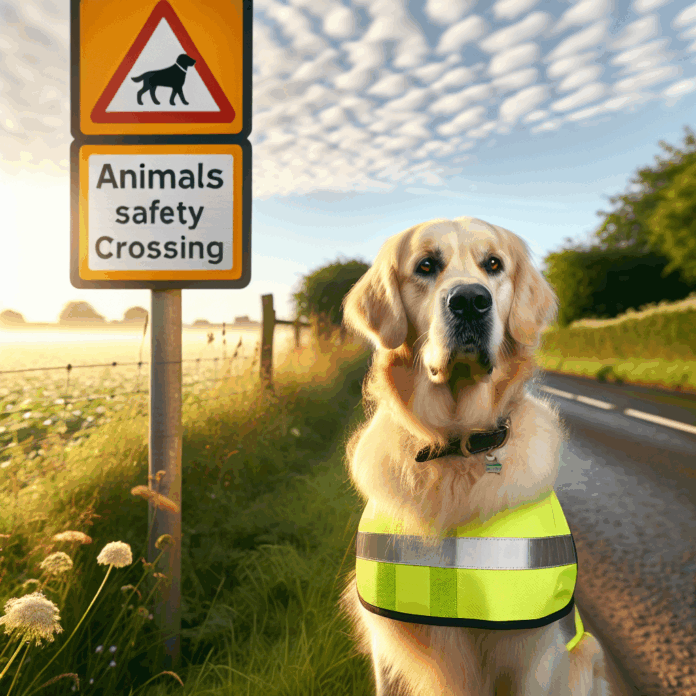
Traveling with your dog can be one of the most rewarding experiences, but it also comes with its own set of challenges. Ensuring the safety and comfort of your furry friend while on the road is paramount. This comprehensive guide will explore essential tips and strategies for safe car travel with your dog, making the journey enjoyable for both you and your pet.
Preparing for the Journey
1. Visit the Vet
Before embarking on any road trip, a check-up with your veterinarian is essential. Ensure your dog is in good health and up-to-date on vaccinations. It’s also a great opportunity to discuss any concerns you may have, such as motion sickness or behavioral issues during travel.
2. Choose the Right Equipment
Proper equipment is crucial for your dog’s safety during travel. Here are some essential items to consider:
Dog Seatbelt or Harness: A dog seatbelt keeps your pet secure and can prevent distractions while driving. Make sure it’s crash-tested for safety.
Travel Crate: If your dog is crate-trained, a travel crate can provide a safe space for your pet. Ensure it’s well-ventilated and comfortable.
- Pet Barrier: Install a pet barrier to limit your dog’s movement and prevent them from distracting the driver.
3. Get Your Dog Used to the Car
If your dog isn’t accustomed to car travel, start with shorter trips. Gradually increase the distance while keeping the experience positive. Bring along treats and favorite toys to create a positive association with the car.
During the Journey
4. Maintain Comfort
Make your dog’s travel experience as comfortable as possible. Here are some tips:
Temperature Control: Always ensure the car is at a comfortable temperature. Dogs can overheat quickly, especially in warm weather.
- Familiar Items: Bring along your dog’s favorite blanket or toy to create a sense of familiarity.
5. Take Breaks
Regular breaks are essential for both you and your dog. Plan to stop every couple of hours to stretch, hydrate, and allow your pet to relieve themselves. Use these breaks as an opportunity for some exercise; a short walk can help reduce anxiety.
6. Keep Hydrated and Fed
Always have water available and offer it regularly, especially on hot days. Bring along some dog-friendly snacks, but avoid heavily feeding your dog right before travel to minimize the risk of motion sickness.
7. Never Leave Dogs Unattended
Leaving your dog alone in a parked car can be dangerous. Even on mild days, your car can heat up quickly, leading to heatstroke or worse. If you need to make a stop where dogs aren’t allowed, take your pet with you.
The Right Behavior During Travel
8. Train Basic Commands
Having your dog respond to basic commands can improve safety during travel. Commands like "stay," "down," and "come" are useful should you need to handle sudden situations.
9. Avoid Feeding on the Road
Large meals can lead to motion sickness. It’s best to feed your dog a light meal a few hours before hitting the road, allowing time for digestion.
10. Calm Anxiety
If your dog is prone to anxiety during travel, consider calming aids. This can include a special crate, pheromone sprays, or even anxiety wraps. You might also consult your veterinarian for options like anxiety medication if your dog struggles significantly.
Making Stops
11. Research Pet-Friendly Stops
Plan your route to include pet-friendly rest stops or parks. Websites and apps exist specifically to help travelers find dog-friendly locations.
12. Always Use a Leash
When making stops, always have your dog leashed. This ensures their safety and keeps them from wandering into traffic or other hazards.
13. Keep them in Sight
When traveling with dogs, it’s essential to watch them closely. Keep an eye out for other animals, people, and potential dangers that could arise during your stops.
Returning Home
14. Reintroduce Routine
After your trip, reestablish your dog’s routine. Dogs thrive on structure, and returning to their regular schedule can help them readjust after travel.
15. Watch for Changes
Monitor your dog’s behavior after returning home. If they show signs of stress or anxiety, consult your veterinarian for advice.
Conclusion
Traveling with your dog can be a fulfilling experience when approached with planning and safety in mind. By preparing adequately, ensuring your dog is comfortable, and knowing how to manage their behavior during travel, you can make the journey enjoyable for everyone involved. Happy travels!
FAQs
1. Is it safe to let my dog stick its head out the window?
No, it’s not safe. While many dogs enjoy the wind in their face, it can lead to serious injuries from debris or accidents. Use a secure pet barrier or keep the windows closed to avoid this risk.
2. Can I give my dog medication for anxiety?
Yes, but only under the advice of your veterinarian. They can recommend safe options tailored to your dog’s needs.
3. What should I do if my dog gets car sick?
Consult your veterinarian for advice on managing motion sickness. In some cases, they may recommend medications or special diet adjustments.
4. Is it necessary to crate my dog in the car?
While it’s not legally required, crating your dog can significantly enhance safety. A properly secured dog is less likely to become a distraction or sustain injuries during sudden stops.
5. How do I find pet-friendly accommodations?
Use websites dedicated to pet travel, such as BringFido or Airbnb, which can help you find pet-friendly hotels, campgrounds, and vacation rentals.
By adhering to these guidelines, you can enjoy the road with your canine companion while keeping them safe and comfortable. Happy travels!

