

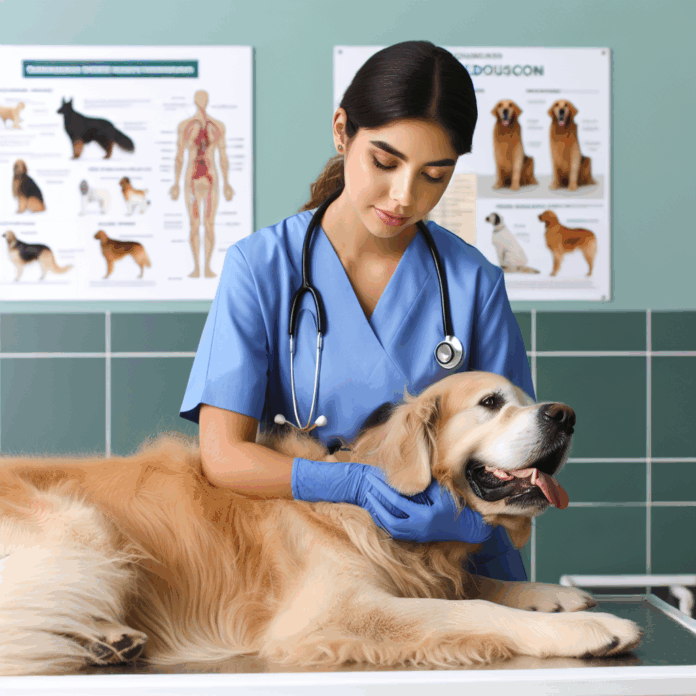
Arthritis is a common issue in dogs, affecting their joints and leading to discomfort, reduced mobility, and a lower quality of life. Understanding the signs of arthritis can be crucial for ensuring your beloved pet receives the appropriate care and treatment.
In this article, we’ll explore ten signs that may indicate your dog has arthritis, along with the reasons behind these symptoms. Additionally, we’ll cover answers to frequently asked questions regarding canine arthritis.
1. Limping or Favoring a Limb
One of the most noticeable signs of arthritis in dogs is limping or favoring one limb over others. This could be due to pain or discomfort in a particular joint. If you observe your dog limping, it’s essential to take note of how long it lasts and whether it appears to worsen during specific activities, such as walks or playtime.
2. Difficulty Rising
Dogs with arthritis often struggle to get up from a lying position, especially after resting for a while. If your dog seems hesitant or takes longer than usual to stand up after lying down, this could be a sign that they are experiencing joint pain.
3. Stiffness After Rest
Arthritis can lead to stiffness in the joints, particularly after your dog has been inactive for some time. If you notice your dog moving stiffly after a long nap or after getting up in the morning, it may be due to arthritis. This stiffness usually improves with movement.
4. Reduced Activity Level
As dogs age or develop arthritis, they might become less active and prefer to stay lying down rather than engaging in their favorite activities. If your once-active dog now seems uninterested in walks or play, this could be an indicator of arthritis or joint pain.
5. Changes in Behavior
Dogs in pain may exhibit behavioral changes. If your dog seems irritable, anxious, or withdrawn, it could be due to the discomfort they are experiencing. They may also be less tolerant of being touched or handled.
6. Weight Gain
Reduced activity levels due to arthritic pain can lead to weight gain in dogs. Extra weight puts additional stress on the joints, exacerbating the issue. If you notice your dog gaining weight while becoming less active, it could be linked to arthritis.
7. Swollen Joints
Swelling around the joints is another clear sign that something may be wrong. If you notice any swelling in your dog’s elbows, knees, or other joints, it’s crucial to consult your veterinarian for an evaluation.
8. Licking or Biting at Joints
Some dogs may lick or bite at their joints as a response to pain. If you observe your dog obsessively grooming a particular area, this could indicate discomfort or irritation related to arthritis.
9. Decreased Range of Motion
Arthritis can limit your dog’s range of motion. If you notice that your dog is unable to stretch or flex its joints as freely as before, this could be an indication of developing arthritis.
10. Difficulty Navigating Stairs or Slippery Surfaces
If your dog struggles with navigating stairs or slips on smooth surfaces, it may indicate joint pain. Dogs with arthritis may avoid going up or down stairs altogether, preferring to stay on one level to prevent discomfort.
What Causes Arthritis in Dogs?
Arthritis in dogs can be caused by various factors, including:
- Age: Older dogs are more likely to develop arthritis as their joints wear down over time.
- Obesity: Extra weight puts more stress on the joints, increasing the risk of arthritis.
- Genetics: Some breeds are more prone to arthritis than others.
- Injury: Past injuries to joints can lead to arthritis.
- Joint Dysplasia: Conditions like hip or elbow dysplasia can increase the risk of developing arthritis later in life.
Diagnosis and Treatment
If you notice any of the signs mentioned above, it’s essential to consult your veterinarian. They can conduct a thorough examination, often involving X-rays or other imaging techniques, to determine the condition of your dog’s joints.
Treatment options can include:
- Medication: Non-steroidal anti-inflammatory drugs (NSAIDs) can help manage pain and inflammation.
- Weight Management: Keeping your dog at a healthy weight can alleviate stress on their joints.
- Physical Therapy: Specialized exercises can improve mobility and strengthen muscles surrounding the joints.
- Dietary Changes: Some diets are specifically formulated for joint health and may contain ingredients like glucosamine and omega-3 fatty acids.
- Surgery: In severe cases, surgical intervention may be necessary to relieve pain.
FAQs about Canine Arthritis
Q1: Can arthritis be cured?
A: Unfortunately, there is no cure for arthritis. However, with proper management and treatment, dogs can live comfortably and maintain a good quality of life.
Q2: Is arthritis only found in older dogs?
A: While it is most common in older dogs, arthritis can also affect younger dogs, particularly those with joint issues or injuries.
Q3: What can I do to help my dog if they have arthritis?
A: Consult your veterinarian for a personalized treatment plan, which may include pain relief medications, dietary changes, and weight management.
Q4: Are certain breeds more prone to arthritis?
A: Yes, larger breeds such as Labrador Retrievers, Golden Retrievers, and Great Danes are more susceptible to developing arthritis than smaller breeds.
Q5: How can I tell if my dog is in pain?
A: Signs of pain can include whimpering, changed posture, decreased activity, and changes in appetite or behavior.
Q6: Can I give my dog joint supplements?
A: It’s best to consult your veterinarian before starting any supplements to ensure they are appropriate for your dog’s specific needs.
Q7: How often should I take my dog to the vet for arthritis?
A: Regular check-ups every 6-12 months are advisable to monitor your dog’s joint health, particularly as they age.
Q8: Is there a specific diet for dogs with arthritis?
A: Yes, some diets are formulated to support joint health, often containing supportive ingredients such as glucosamine, chondroitin, and omega-3 fatty acids.
Conclusion
Recognizing the signs of arthritis in your dog is the first step toward ensuring they receive the care and treatment they need. By staying vigilant and consulting your veterinarian, you can help manage your dog’s condition and keep them comfortable and happy for years to come. Always remember that proactive care makes a significant difference in enhancing your dog’s quality of life.

