

Just like humans, dogs can experience emotional ups and downs, and at times, they may feel "blue." Canine depression is a genuine concern for pet owners. Recognizing the signs of depression in your furry friend and knowing how to address it can enhance your dog’s quality of life. In this article, we’ll explore the symptoms, causes, and treatment options for canine depression. Additionally, we’ll answer some commonly asked questions to help you support your pup effectively.
Understanding Canine Depression
Canine depression manifests similarly to human depression. It can be triggered by various factors including changes in environment, significant life events, or underlying health issues. It’s important to differentiate between a dog simply having a "bad day" versus experiencing a deeper, more chronic emotional distress.
Signs Your Dog Might Be Depressed
To determine if your pup is feeling blue, watch for several telltale signs:
Changes in Sleep Patterns: Excessive sleeping or lethargy can indicate that your dog is feeling down. While dogs do sleep a lot, a noticeable increase can be concerning.
Loss of Interest: A once-enthusiastic dog may lose interest in activities such as playtime, walks, or socializing with other pets.
Altered Appetite: A depressed dog might eat less or more than usual. Sudden changes in weight can be a red flag.
Withdrawal: If your dog is isolating itself or showing less affection towards family members, it may be a sign of depression.
Vocalization: Some dogs may express their distress through increased whining, howling, or barking.
Destructive Behavior: A change in behavior, such as increased destruction of items, can be a sign of anxiety or depression.
- Changes in Grooming Habits: Neglect in grooming or excessive licking may indicate emotional turmoil.
Causes of Canine Depression
Understanding the root causes of depression in dogs can help in providing appropriate care. Here are some common factors that can lead to emotional distress:
Routine Changes: Dogs thrive on routine. Changes such as moving to a new home, a change in family dynamics, or the loss of a family member (including another pet) can be distressing.
Medical Conditions: Certain illnesses or health issues can lead to changes in behavior. Always consult a veterinarian to rule out any underlying health problems.
Lack of Socialization: Dogs are social creatures. A lack of interaction with humans or other dogs can lead to feelings of loneliness and sadness.
Trauma: Past traumatic experiences can linger and create emotional scars, leading to depression.
- Boredom: Dogs that do not receive enough physical and mental stimulation may become disinterested and depressed.
Diagnosing Canine Depression
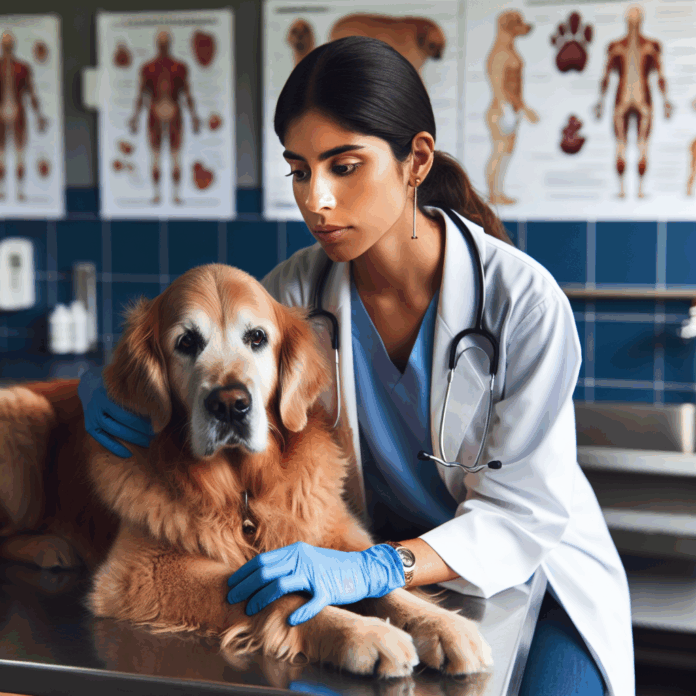
If you observe signs of depression, the first step is to consult your veterinarian. They will conduct a thorough examination and may recommend tests to rule out any underlying medical issues. Behavioral assessments may also help identify the root cause of your dog’s emotional state.
Treatment Options for Canine Depression
Once a diagnosis is made, there are various approaches to treat canine depression effectively:
Veterinary Intervention: In some cases, medication may be necessary. Antidepressants can sometimes be prescribed by a veterinarian to help stabilize your dog’s mood.
Behavioral Training: Working with a qualified animal behaviorist can assist in addressing behavioral issues contributing to depression.
Enhanced Socialization: Encourage playdates with other dogs or arrange outings to help your dog regain a sense of normalcy.
Routine and Structure: Re-establishing or maintaining a consistent environment can help provide comfort and stability to your pet.
Increased Exercise: Physical activity is vital for mental well-being. Regular walks, play sessions, and even agility training can help release pent-up energy and improve mood.
Interactive Toys and Enrichment: Invest in toys that challenge your dog’s mind, such as puzzle toys, treat-dispensing toys, and engaging games.
Quality Time: Spend more time with your dog, offering affection and companionship. Encourage activities that they enjoy.
- Diet and Nutrition: A balanced diet can greatly influence your dog’s mood. Consult with your vet about proper nutrition to improve mental health.
FAQs
1. How can I tell the difference between sadness and depression in my dog?
While occasional sadness is normal, chronic changes in behavior, interest, and overall health typically point to depression. Consult your vet for a proper assessment.
2. Can canine depression be cured?
Yes! With proper treatment, including behavioral adjustments, increased engagement, and, in some cases, medication, many dogs can overcome depression.
3. Is it cruel to medicate a dog for depression?
Not at all. If a vet determines that medication is necessary, it can greatly enhance your dog’s quality of life. Always discuss the pros and cons with your veterinarian.
4. Can dogs experience mental health problems as humans do?
Absolutely. Dogs can suffer from various mental health issues, including anxiety, depression, and stress. Their emotional well-being is just as important.
5. Should I seek professional help for my dog’s depression?
If you notice persistent signs of depression or if recommended interventions do not seem to help, seeking help from a veterinarian or animal behaviorist is advisable.
6. Can certain breeds be more prone to depression?
While depression can affect any dog, some breeds may be more sensitive or prone due to temperament. Breeds known for strong attachments, like Labrador Retrievers and Border Collies, may show signs more readily.
Conclusion
Recognizing and addressing canine depression is vital for your dog’s overall health and happiness. With keen observation and proper intervention, you can help your pup regain their playful spirit and improve their emotional well-being. Remember, your dog relies on you for guidance and support, so be attentive to their needs, and don’t hesitate to seek professional help when necessary.

