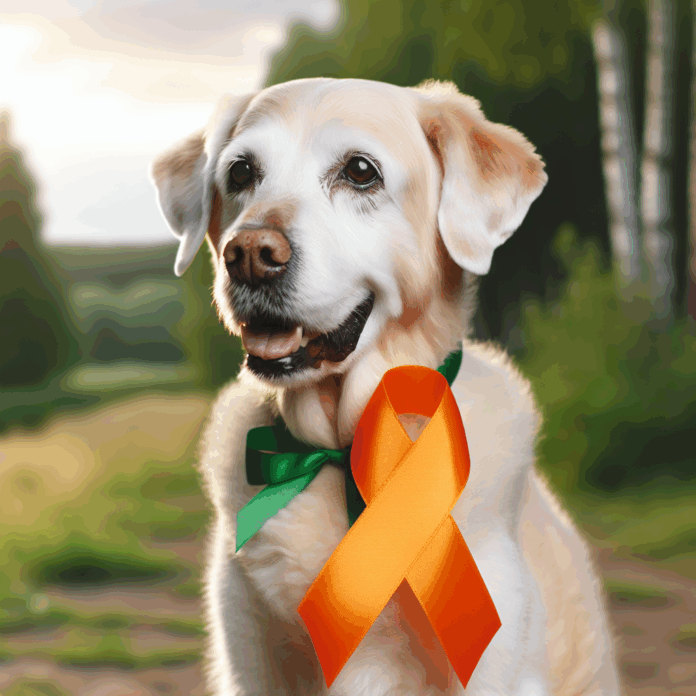
Cancer in dogs can be a devastating diagnosis. As pet owners grapple with their furry friends’ health, many seek both conventional medical treatment and holistic alternatives to increase the chances of recovery and improve quality of life. Integrative approaches, which merge conventional and holistic treatments, have become increasingly popular and show promise in managing canine cancer. This article explores these integrative strategies, shedding light on the benefits, options available, and FAQs surrounding this vital topic.
Understanding Canine Cancer
Canine cancer manifests in various forms, including lymphoma, osteosarcoma, mast cell tumors, and more. The incidence of cancer in dogs is rising, paralleling trends seen in humans. Factors contributing to this increase may include genetics, environment, and lifestyle. Early detection and effective treatment are crucial, yet the psychological, emotional, and physical toll on both dogs and their owners can be overwhelming.
Conventional Treatments
Conventional cancer treatments for dogs typically include:
Surgery: Often the first line of defense, surgery aims to remove the tumor and any surrounding affected tissue.
Chemotherapy: Systemic treatments target rapidly dividing cancer cells. Although chemotherapy can cause side effects like nausea and lethargy, advances in veterinary medicine have improved its effectiveness and tolerability.
Radiation Therapy: Utilized primarily for tumors that are inoperable, radiation therapy aims to shrink tumors and alleviate discomfort.
- Targeted Therapy: Newer approaches focus on specific genetic mutations present in cancer cells, enhancing efficacy while minimizing damage to healthy cells.
Holistic Treatments
Holistic approaches emphasize the whole animal rather than merely treating the disease. They aim to improve the overall health and well-being of the dog through various methods, including:
Nutritional Therapy: Tailoring a dog’s diet can play a vital role in cancer management. A diet rich in antioxidants may help boost the immune system, and some owners opt for raw or homemade diets to enhance nutrient absorption.
Herbal Medicine: Certain herbal remedies, such as turmeric (which contains curcumin), may have anti-cancer properties. Always consult a veterinarian trained in herbal medicine for guidance.
Acupuncture: This ancient technique can provide pain relief, reduce stress, and alleviate side effects from conventional treatments.
Homeopathy: This system of medicine uses highly diluted substances to promote healing on a physical and emotional level.
Physical Therapy: Rehab exercises can improve mobility and quality of life, especially after surgery or during treatments that affect physical strength.
- Mind-Body Techniques: Practices such as massage, aromatherapy, and even meditation can help calm anxious dogs and minimize anxiety related to their illness.
The Integrative Approach
Integrative medicine harnesses the strengths of both conventional and holistic treatments. This multidisciplinary approach allows pet owners to tailor a treatment plan that best suits their dog’s unique needs.
Benefits of Integrative Approaches
Comprehensive Care: By considering the whole dog, integrative approaches address not only the cancer but also its emotional and physical well-being.
Enhanced Quality of Life: Even if a cancer diagnosis is terminal, holistic treatments can relieve symptoms, boost energy levels, and promote comfort.
Personalized Treatment Plans: Each dog is unique, and determining the best combination of therapies allows for more customized care.
Reduced Side Effects: Integrating holistic treatments can help minimize the side effects of conventional therapies, leading to improved tolerance.
- Support for the Immune System: Holistic methods often aim to strengthen the immune system, giving the dog a better chance to combat cancer.
Collaboration with Veterinarians
It’s essential for pet owners to work closely with veterinary professionals when considering integrative approaches. A qualified veterinarian can help develop a balanced treatment plan, ensuring that therapies do not conflict and that the dog receives optimal care.
Veterinarians experienced in integrative medicine can provide valuable resources and insights into both conventional and holistic options, paving the way for a more collaborative treatment experience.
Specific Integrative Treatment Examples
Cancer Diets: Veterinarians may suggest specific diets to enhance anti-cancer properties. For instance, including omega-3 fatty acids can reduce inflammation, while high-quality protein sources support overall health.
Acupuncture During Chemotherapy: Dogs undergoing chemotherapy may experience nausea. Acupuncture can help alleviate these symptoms, making sessions more manageable.
- Post-Surgery Rehabilitation: Combining conventional surgical approaches with physical therapy promotes faster recovery and better mobility for the dog.
Challenges and Considerations
While integrative approaches offer numerous benefits, challenges may include:
Lack of Research: Some holistic treatments may lack robust scientific validation. It’s crucial for pet owners to research and discuss options thoroughly.
Potential Interactions: Natural supplements can interact with conventional medications. Always consult with a veterinarian before starting any new treatment.
- Variability in Efficacy: What works for one dog may not work for another. A trial-and-error approach, with professional guidance, may be necessary.
Conclusion
Integrative approaches to treating canine cancer represent an evolving landscape in veterinary care. By merging conventional and holistic strategies, pet owners can provide their dogs with comprehensive, personalized care that enhances their quality of life. The objective should always center on the well-being of the pet, emphasizing comfort, joy, and dignity throughout the journey with cancer.
FAQs
1. What is the primary focus of integrative treatment for canine cancer?
Integrative treatment focuses on combining conventional treatments (like surgery and chemotherapy) with holistic therapies (like nutrition and acupuncture) to support the dog’s overall well-being and enhance recovery.
2. Can all dogs benefit from integrative approaches?
Most dogs can benefit from integrative methods, but it’s crucial to tailor treatments to the individual dog’s needs and consult with a veterinarian for the best approach.
3. Are holistic treatments safe to use alongside chemotherapy?
Many holistic treatments are safe; however, it’s essential to discuss any new therapies with a veterinarian to avoid potential interactions or side effects.
4. How can I find a veterinarian knowledgeable in integrative medicine?
Look for veterinarians who have additional training in holistic or integrative modalities. Some veterinary schools and organizations provide resources or directories to locate qualified practitioners.
5. What dietary changes might help a dog with cancer?
Consultation with a veterinarian is advised, but diets rich in antioxidants, high-quality proteins, and omega-3 fatty acids are often recommended to support immune function and overall health during cancer treatment.

