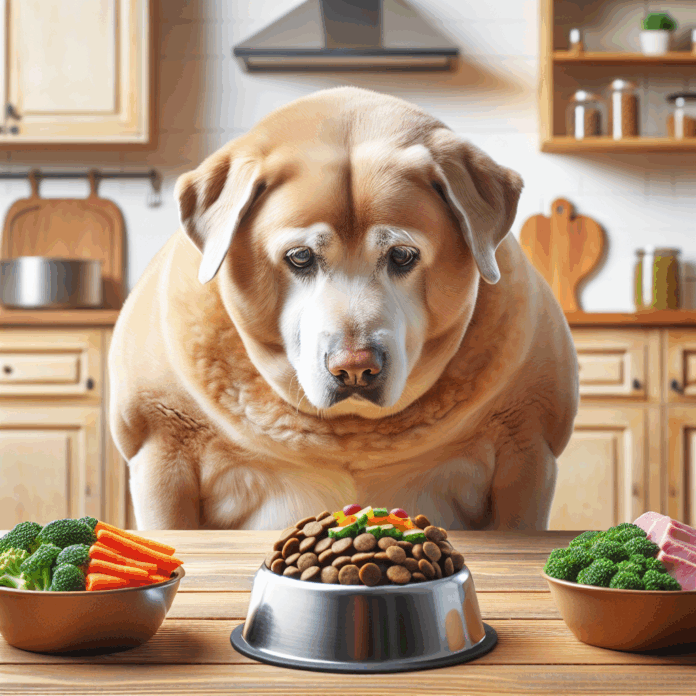
As pet parents, we naturally want to provide the best for our furry friends, ensuring they live long, healthy lives. Unfortunately, many dogs are overweight due to poor dietary choices and lack of exercise. Just like humans, dogs need a balanced diet to maintain a healthy weight and a good quality of life. Here’s an in-depth look at creating the perfect meal plan for your overweight dog, helping them shed those extra pounds in a safe and effective way.
Understanding Canine Obesity
Before crafting a meal plan, it’s crucial to understand what causes canine obesity. Factors include:
- Overfeeding: Dogs often consume more calories than they expend, leading to weight gain.
- Lack of Exercise: A sedentary lifestyle prevents dogs from burning off calories.
- High-Calorie Treats: Many treats are calorically dense and can contribute significantly to a dog’s overall caloric intake.
- Genetics: Some breeds are more prone to obesity than others.
- Medical Conditions: Issues like hypothyroidism can contribute to weight gain, making it essential to consult a veterinarian.
Recognizing the weight of your dog and addressing it is the first step to improving their health.
Assessing Your Dog’s Weight
Before starting a diet, assess your dog’s weight. A simple Body Condition Score (BCS) scale runs from 1 to 9, with 1 being extremely underweight and 9 being extremely overweight. A dog should ideally be a 4 or 5 on this scale.
To evaluate your dog, look at the following:
- Ribs: You should be able to feel but not see them easily.
- Waist: When viewed from above, your dog should have a noticeable waist.
- Abdomen: There should be a tuck in the abdomen when viewed from the side.
If your dog is overweight, consult your veterinarian for a professional assessment and recommendations on weight loss.
Creating a Balanced Meal Plan
Once you’ve confirmed your dog’s weight issues, it’s time to create a balanced meal plan. Here’s a step-by-step guide:
1. Determine Daily Caloric Needs
First, calculate your dog’s daily caloric requirement. A common formula is:
- For weight maintenance: 30 x (weight in kg) + 70 = daily caloric needs.
- For weight loss: Reduce the daily caloric intake by 10-20%.
2. Choose Quality Dog Food
Selecting the right food is crucial. An ideal weight-loss dog food contains:
- High protein: Look for named meat sources (chicken, beef, lamb) in the first few ingredients.
- Low fat: Avoid foods high in fat content. Look for those labeled as "light" or "weight management."
- Fiber: Incorporating fiber helps dogs feel full, reducing the urge to overeat. Look for ingredients like beet pulp or brown rice.
- No fillers: Avoid foods with fillers such as corn or soy, as they add unnecessary calories.
3. Develop a Feeding Schedule
Consistency is key. Opt for regular feeding times rather than free-feeding. A common approach is to divide the daily caloric intake into two or three meals per day.
4. Measure Food Portions
Use a measuring cup to ensure accurate portion sizes. It’s easy to underestimate the amount of food your dog is eating if you don’t measure it.
5. Choose Healthy Treats
Treats should not exceed 10% of your dog’s total daily caloric intake. Choose lower-calorie options:
- Fresh fruits (apples, blueberries)
- Vegetables (carrots, green beans)
- Commercial low-calorie dog treats
6. Incorporate Exercise
Diet alone won’t help your dog lose weight. Regular exercise is essential:
- Daily Walks: Aim for at least 30 minutes of moderate exercise.
- Playtime: Engage in games like fetch or tug-of-war.
- Training: Teaching new commands also counts as physical activity.
7. Monitor Progress
Keep track of your dog’s weight and body condition over time. Adjust the meal plan as necessary, working closely with your vet for guidance.
FAQs about Canine Weight Loss
1. How much weight can my dog lose in a week?
A safe weight loss rate is typically about 1-2% of your dog’s total body weight per week. A gradual approach is crucial to avoid health complications.
2. Can I feed my dog human food?
Yes, but be cautious. Opt for healthy options and steer clear of toxic foods like chocolate, onions, and grapes. Always consult your vet before introducing new foods.
3. How do I know if I’m feeding my dog the right amount?
Consult your vet for recommendations based on your dog’s specific needs. Use your measurements and guidelines from dog food packaging as references.
4. Is it ever too late to help my dog lose weight?
No matter your dog’s age, weight loss can improve their quality of life. Work with your vet to tailor a plan suitable for their age and health status.
5. What if my dog refuses to eat the new food?
Transitioning to a new food can take time. Gradually mix in the new food with the old one over several days to avoid gastrointestinal issues.
6. Should I consider pet weight-loss programs?
While some programs may offer structured support, consult your veterinarian first. Many vet clinics offer weight-loss management programs that can be beneficial.
7. Are there medications that can help with weight loss in dogs?
In some cases, vets may prescribe medications to assist with weight management. Always prioritize a healthy diet and exercise as the primary means of weight loss.
Conclusion
Creating a meal plan for your overweight dog involves a comprehensive approach focused on balanced nutrition, regular exercise, and consistent feeding routines. By working closely with your veterinarian, you can develop a tailored plan that helps your furry friend shed unwanted pounds safely. The journey to a healthier weight may take time, but the benefits—improved mobility, increased energy, and enhanced overall health—are well worth the effort. Let’s help our canine companions live their happiest, healthiest lives!

