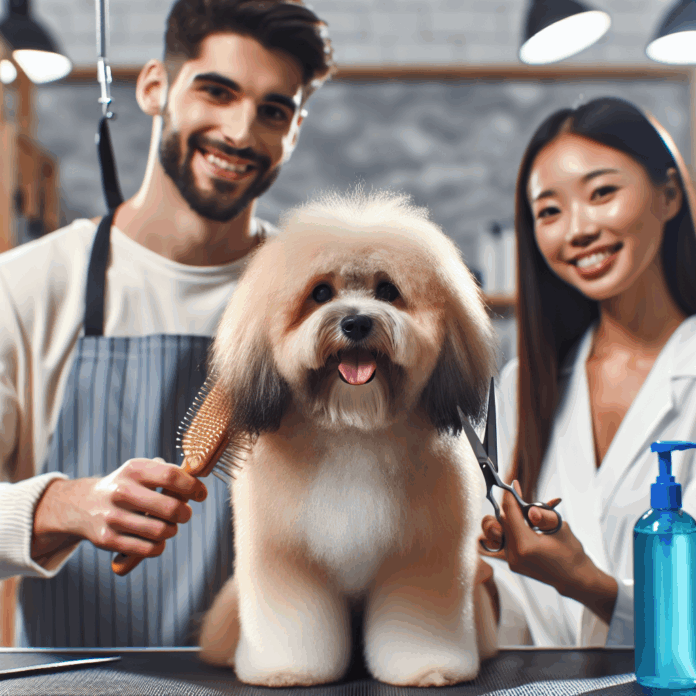
Grooming your dog is not just about keeping them looking beautiful; it plays a vital role in their health and well-being. Regular grooming helps to prevent mats in their fur, reduces shedding, and allows you to monitor their skin for any signs of irritation or parasites. However, grooming can sometimes feel overwhelming, especially for new dog owners. With the right tools, it can become a straightforward and enjoyable experience for both you and your furry friend. Here’s a comprehensive look at the essential grooming tools every dog owner should have.
1. Brushes
Types of Brushes
Slicker Brushes: These brushes have fine, short wires close together on a flat surface. They are ideal for removing tangles, mats, and loose hair, making them suitable for long-haired breeds.
Pin Brushes: Great for medium to long-haired dogs, pin brushes are designed to eliminate tangles while being gentle on your dog’s skin.
- Bristle Brushes: These brushes work well for short-haired breeds, helping to distribute natural oils and remove loose hair.
Choosing the Right Brush
Consider your dog’s hair type and length when selecting a brush. Regular brushing helps to keep your dog’s coat healthy, reduces shedding, and keeps your home hair-free.
2. Combs
Combing is a crucial aspect of grooming, especially for dogs with longer hair. A good comb can help you tackle tangles and mats that brushes might miss.
Types of Combs
Wide-tooth Combs: Ideal for dematting and detangling, especially for thick or curly coats.
- Fine-tooth Combs: Perfect for finishing touches, and inspecting your dog’s skin and coat for pests or irritations.
3. Clippers and Trimmers
For owners of dogs that require a regular haircut, a quality set of clippers and trimmers is essential.
Choosing the Right Clipper
Look for clippers designed specifically for dog grooming, as they are quieter and more powerful than regular hair clippers. Make sure to have various blade sizes to achieve different lengths.
Trimmers for Detailing
Trimmers can help with sensitive areas like paws, around the ears, and face, ensuring your dog looks well-groomed without risking injury in delicate areas.
4. Nail Clippers
Dog nail care is critical to your pet’s health. Long nails can cause pain and lead to joint issues. Regular trimming is essential.
Types of Nail Clippers
Guillotine Style: These are a popular choice for many dog owners. They allow you to see the nail as you cut, giving you the ability to control the process.
- Electric Nail Grinders: These tools are excellent for smoothing out sharp edges after clipping and can help you avoid cutting too close to the quick.
Safety First
Always be cautious when trimming nails. If you’re unsure, consider seeking help from a professional groomer or veterinarian.
5. Bathing Supplies
Bathe your dog regularly, but be cautious not to overdo it as this can strip their coat of natural oils. Essential bathing supplies include:
Dog Shampoo
Opt for a shampoo formulated specifically for dogs. Choose one that’s appropriate for their age, coat type, and any skin sensitivities.
Towels
Having a few large, absorbent towels can help you dry your dog off quickly after a bath.
Brushes for Bathing
Consider using a rubber grooming mitt. It can help scrub and loosen dirt while massaging your dog’s skin, making bath time enjoyable for them.
6. Ear Care Tools
Regular ear cleaning is particularly important for breeds that are prone to ear infections.
Ear Cleaner
Invest in a veterinarian-recommended ear cleaner to keep your dog’s ears healthy.
Cotton Balls or Pads
Use these to gently clean your dog’s ears after applying the cleaner.
7. Dental Care Supplies
Good dental hygiene is an often-overlooked aspect of grooming. Pet dental supplies are crucial for maintaining your dog’s overall health.
Dog Toothbrush and Toothpaste
Only use toothpaste designed for dogs, as human toothpaste can be harmful. Regular brushing can prevent plaque buildup and dental diseases.
Dental Chews
These can help reduce tartar and keep your dog’s teeth clean while providing a pleasant chewing experience.
8. Flea and Tick Control
Preventing fleas and ticks is essential for your dog’s health.
Flea Combs
These fine-toothed combs can help you identify and remove fleas in your dog’s fur.
Spot-on Treatments
Consider using veterinarian-recommended flea and tick spot treatments to keep your dog protected year-round.
9. Grooming Tables
If you plan on grooming your dog at home, a grooming table can significantly help you by providing a stable surface.
Benefits of a Grooming Table
A grooming table is adjustable in height, making it easier to groom your dog without straining your back. Many tables also have safety leashes to keep your pet steady.
10. Training and Patience
While tools are essential, training your dog to enjoy the grooming process is equally important. Start grooming your dog from a young age, using positive reinforcement techniques to make the experience enjoyable.
Building a Routine
Establish a grooming routine that includes brushing, bathing, and nail trimming, and try to stick to it. Regular grooming will help your dog become accustomed to the process and even look forward to it.
Frequently Asked Questions (FAQs)
1. How often should I groom my dog?
The frequency of grooming depends on your dog’s breed, coat type, and activity level. Long-haired breeds may need grooming every few days, while short-haired breeds can often go a week or more between grooming sessions.
2. Can I use human shampoo on my dog?
No, human shampoo can irritate a dog’s skin and disrupt their natural oil balance. Always use a shampoo specifically formulated for dogs.
3. When should I start grooming my puppy?
Introduce grooming early, ideally when your puppy is around eight weeks old. This will help them get used to the process and make it a positive experience.
4. What if my dog won’t stay still during grooming?
Using positive reinforcement—like treats and praise—can help your dog associate grooming with a rewarding experience. Consider using a grooming table or enlist an assistant to help hold your dog if necessary.
5. How can I tell if my dog needs a bath?
If your dog has an odor, dirt on their fur, or excessive shedding, it’s usually time for a bath. Also, if their coat feels greasy or sticky, a bath is in order.
6. Is it safe to groom my dog myself?
Yes, grooming at home can be safe and cost-effective with the right tools and techniques. However, if you’re uncomfortable with certain tasks (like nail clipping), don’t hesitate to seek help from a professional groomer.
Conclusion
Equipped with the right tools, grooming your dog can be an easy and enjoyable part of pet ownership. By investing in quality grooming supplies and establishing a routine, you can ensure your dog stays healthy and looking great. Remember, grooming is more than just aesthetics; it fosters a deeper bond between you and your furry companion while keeping them comfortable and happy.

