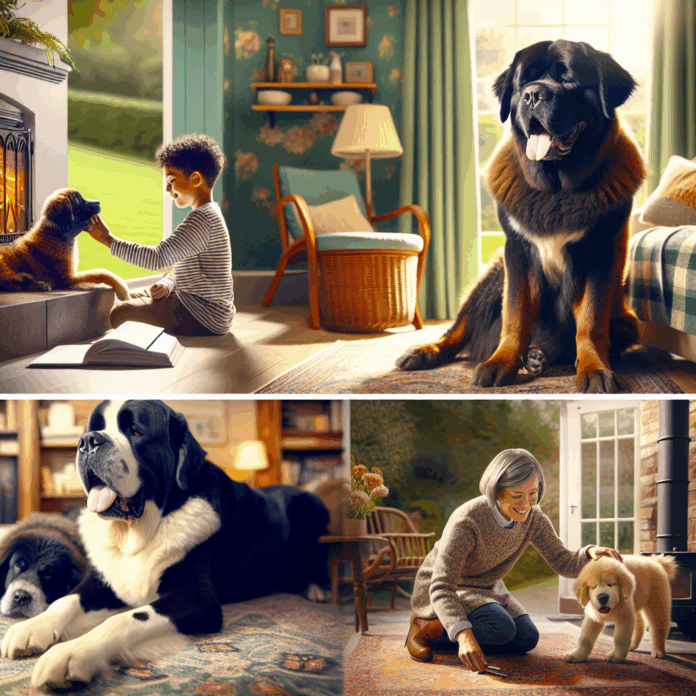
When considering bringing a dog into your home, many potential pet owners find themselves searching for the perfect balance between companionship, energy levels, and temperament. For families, singles, or seniors desiring an affable addition to their household, calm dog breeds often come to mind. Among these are the breeds dubbed "Gentle Giants," which tend to be large, lovable, and surprisingly serene. These dogs not only bring joy and warmth to a household but also fit well into various lifestyles, making them ideal companions.
Understanding Gentle Giants
Gentle Giants typically refer to large dog breeds that possess calm, friendly, and gentle temperaments. Unlike their smaller, more energetic counterparts, these dogs often exhibit a laid-back disposition. Their impressive size may seem intimidating, but their personalities counterbalance that impression; they carry a gentleness that endears them to owners and visitors alike.
Benefits of Having Calm Dogs at Home
Family-Friendly: Calm breeds tend to be more patient and tolerant with children, making them excellent family pets. Their gentle nature fosters harmonious interactions, reducing the likelihood of rough play that smaller, more energetic breeds might encourage.
Easier Training: Gentleness often translates to a willingness to please. Many calm breeds are eager to learn, making them less challenging to train. A well-behaved dog can significantly enhance the quality of life for a household.
Less Stress: The soothing presence of calm dogs can contribute to a peaceful home. Their tendency to be relaxed helps create a serene environment, which is particularly beneficial for those living in busy households or stressful conditions.
Adaptability: While still needing exercise and mental stimulation, many gentle giants can adapt well to both urban and suburban living. Their soothing energy complements rather than dominates a space, allowing them to fit into various lifestyles.
- Great Companions: Their loving nature and loyalty foster strong emotional bonds with family members. Gentle Giants often provide comfort during lonely times and companionship for everyday activities.
Top Calm Dog Breeds
Newfoundland
- Overview: Known for their impressive size and swimming ability, Newfoundlands are gentle, patient, and sweet-natured dogs.
- Temperament: They are known as "gentle giants" for good reason; their calm demeanor and affection for family members, including children, make them ideal companions.
- Exercise Needs: Moderate exercise. A daily walk and some playtime in the water will suffice.
Great Dane
- Overview: Famous for their height, Great Danes are surprisingly gentle and often referred to as "harlequins" or "gentle giants."
- Temperament: Known for their loyalty and gentle disposition, they often act like lap dogs despite their size.
- Exercise Needs: They require regular walks but are not over-energetic, making them suitable for apartment living.
Bernese Mountain Dog
- Overview: This breed is known for its beautiful tri-color coat and impressive strength.
- Temperament: Bernese Mountain Dogs are known for their calm and affectionate nature. They are excellent family dogs and often get along well with children and other pets.
- Exercise Needs: Moderate exercise is essential; a couple of walks and some playtime in the yard are usually sufficient.
Irish Wolfhound
- Overview: The Irish Wolfhound, one of the tallest dog breeds, has a noble and gentle bearing.
- Temperament: They have a calm demeanor and are known for being affectionate and friendly.
- Exercise Needs: While they enjoy short bursts of activity, they are content with leisurely walks and time spent resting.
St. Bernard
- Overview: Originally bred for rescue in the Swiss Alps, St. Bernards are large and powerful dogs with a gentle heart.
- Temperament: They are known for their friendly nature and patience with children.
- Exercise Needs: Their exercise requires regular walks, but they do not require intense workouts.
Tibetan Mastiff
- Overview: A large breed with a thick coat, Tibetan Mastiffs are both protective and affectionate.
- Temperament: They are known for being calm and dignified, making them excellent companions in a secure home.
- Exercise Needs: Moderate exercise. A daily walk is usually sufficient, along with playtime outdoors.
- Leonberger
- Overview: This breed is a cross between a Saint Bernard, a Newfoundland, and a Mastiff.
- Temperament: Leonbergers are known for their calm and friendly demeanor, making them excellent family pets.
- Exercise Needs: A reasonable amount of daily exercise, primarily walks and playtime in a spacious area.
Basic Care of Gentle Giants
Regardless of the breed, the care of gentle giants involves a few key practices to ensure their health and happiness:
Nutrition: High-quality dog food tailored to their age, size, and activity level is crucial, particularly for larger breeds that can be prone to health issues such as hip dysplasia.
Veterinary Care: Regular check-ups, vaccinations, and parasite prevention are essential. Larger breeds can have specific health concerns that need monitoring.
Mental Stimulation: Engaging these gentle souls with training, puzzles, and interactive toys can help keep their minds sharp and prevent boredom.
Grooming: Depending on the breed, grooming needs may vary. Regular brushing helps maintain coat health and reduce shedding.
- Socialization: Early socialization helps ensure your gentle giant is comfortable in various environments and interacts well with people and other animals.
Frequently Asked Questions (FAQs)
1. Are Gentle Giants suitable for families with small children?
Yes, many Gentle Giant breeds are excellent with children due to their calm and tolerant nature.
2. Do they require a lot of exercise?
While they do need regular exercise, most gentle giants do not require intense workouts and are content with daily walks and playtime.
3. How much space do Gentle Giants need?
They usually adapt well to various living situations but benefit from space to move around comfortably. A yard is a plus, but it’s not necessary for all breeds.
4. Are they prone to any specific health issues?
Larger breeds can be prone to health issues like hip dysplasia, arthritis, and certain heart conditions, which is why regular vet check-ups are essential.
5. Are Gentle Giants good guard dogs?
While they may not be aggressive, many gentle giants have a protective instinct and can make good watchdogs due to their size and loyalty.
6. What is the average lifespan of Gentle Giants?
The lifespan varies by breed but typically ranges between 6 to 10 years for large breeds, as they tend to age faster than smaller breeds.
Conclusion
Gentle Giants embody the perfect blend of size, temperament, and companionship. Their calm, loving demeanor makes them ideal candidates for various living situations, including homes with children, singles, and seniors alike. By choosing one of these breeds, families can enjoy a harmonious atmosphere filled with love, loyalty, and laughter. With proper care, training, and socialization, your Gentle Giant can become a cherished member of your household for years to come.

