

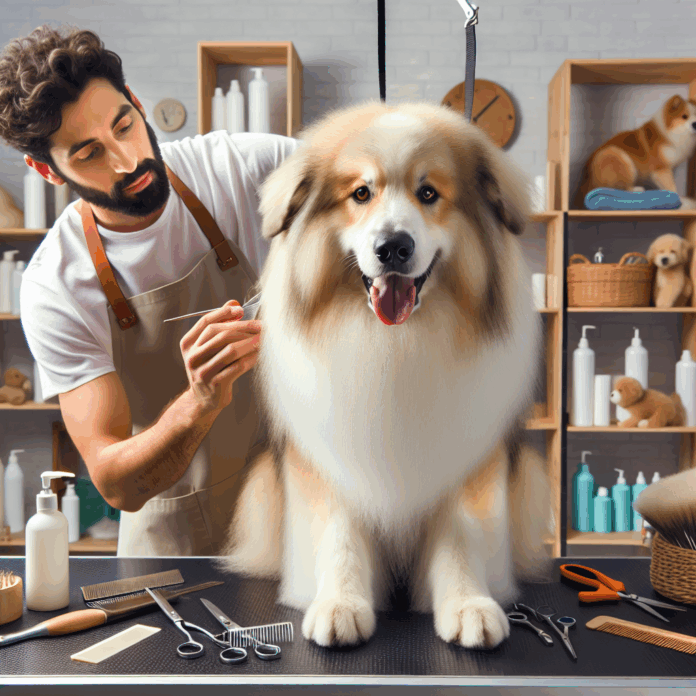
Grooming is an essential component of pet care that plays a significant role in the overall health and well-being of your furry friend. A well-groomed dog not only looks good but also feels good. Just like humans, dogs come in various breeds, each with unique traits, hair types, and grooming needs. Understanding these differences is crucial to establishing a breed-specific grooming schedule that ensures your dog remains happy and healthy.
The Importance of Grooming
Regular grooming serves several purposes:
Physical Health: Removing dirt, dead hair, and parasites such as fleas and ticks helps prevent skin irritations and infections.
Emotional Well-Being: Grooming can be a relaxing and bonding experience, strengthening the relationship between you and your dog.
Early Detection of Health Issues: Regular brushing allows you to check for unusual lumps, skin lesions, or infections early on.
Improved Coat Condition: Brushing not only removes tangles but also helps distribute natural oils throughout your dog’s coat, enhancing its shine and health.
- Reduced Shedding: Regular grooming can significantly decrease shedding, making your home cleaner.
Creating a Grooming Schedule
A grooming schedule will vary based on your dog’s breed, coat type, age, and even health status. Below is a flexible yet breed-specific grooming schedule that you can adapt to fit your dog’s needs.
1. Short-Haired Breeds (e.g., Beagles, Bulldogs)
Grooming Frequency: Once a week
Activities:
- Brushing: Use a rubber grooming mitt or a soft-bristle brush to remove loose hair and dirt.
- Bathing: Every 2-3 months is usually sufficient; more often if they get particularly dirty.
- Nail Clipping: Monthly or as needed.
- Ear Cleaning: Every 4-6 weeks, check and clean if necessary.
2. Medium-Haired Breeds (e.g., Cocker Spaniels, Dachshunds)
Grooming Frequency: Every 2-4 weeks
Activities:
- Brushing: Use a slicker brush to remove tangles and loose hair. Brush at least once a week.
- Bathing: Every 4-6 weeks, or when they start to smell.
- Nail Clipping: Monthly.
- Ear Cleaning: Monthly.
3. Long-Haired Breeds (e.g., Golden Retrievers, Shih Tzus)
Grooming Frequency: Every 4-8 weeks
Activities:
- Brushing: Daily brushing is ideal to prevent matting, with a wide-toothed comb for tangles and a slicker brush for finishing.
- Bathing: Every 4-6 weeks, or as needed.
- Nail Clipping: Every 3-4 weeks.
- Ear Cleaning: Every 2-4 weeks.
4. Poodles and Doodles (Curly Coated Breeds)
Grooming Frequency: Every 4-6 weeks
Activities:
- Brushing: Daily brushing is recommended to prevent matting. Use a pin brush or slicker brush.
- Clipping: Professional grooming every 4-6 weeks to maintain breed-specific cuts.
- Bathing: Every 4-6 weeks, or when dirty.
- Nail Clipping: Monthly.
- Ear Cleaning: Every 2-4 weeks.
5. Double-Coated Breeds (e.g., Siberian Huskies, Alaskan Malamutes)
Grooming Frequency: Every 2-4 weeks, more often during shedding season.
Activities:
- Brushing: Use an undercoat rake to remove loose undercoat fur. Ideally, brush 2-3 times a week.
- Bathing: Every 2-4 months, or as needed.
- Nail Clipping: Monthly.
- Ear Cleaning: Every 4-6 weeks.
Seasonal Considerations
Grooming needs can also change with the seasons.
- Spring: Many breeds shed their winter coats, requiring more frequent brushing.
- Summer: Dogs might need shorter haircuts to stay cool, particularly long-haired breeds.
- Fall: Another shedding season for many breeds, requiring increased grooming.
- Winter: While dogs do not need as many baths, regular brushing remains important to avoid matting.
Health Checks During Grooming
Each grooming session is an excellent opportunity to perform brief health checks on your dog.
- Skin condition: Look for any irritations, lumps, or signs of infection.
- Eyes: Look for discharge or redness, which might indicate an issue.
- Ears: Check for excessive wax or odor.
- Teeth: While grooming, you can briefly inspect your dog’s teeth and gums for any signs of dental disease.
FAQs
Q1: How often should I groom my dog?
The frequency of grooming depends on your dog’s breed and coat type. Some dogs require daily brushing while others may only need weekly grooming.
Q2: Can I groom my dog at home?
Yes, many grooming tasks can be performed at home! However, breeds that are prone to matting, like Poodles, may require professional grooming.
Q3: What tools do I need for grooming?
Basic grooming tools include brushes, combs, nail clippers, and dog shampoo. Specific breeds may require specialized equipment.
Q4: How can I make grooming enjoyable for my dog?
Start slowly and reward your dog with treats. Gradually increase the duration of grooming sessions to help your dog get accustomed to the grooming process.
Q5: What if my dog has a health issue that affects grooming?
If your dog has a medical condition affecting grooming, consult your veterinarian for guidance on how best to approach grooming.
Conclusion
Understanding the grooming needs of your dog based on its breed will lead to a healthier, happier, and more beautiful companion. Regular grooming not only enhances your dog’s appearance but also strengthens your bond. By adapting a breed-specific grooming schedule, you will ensure that your furry friend remains both stunning and satisfied. Always keep in mind that grooming should be a positive experience, benefiting both you and your beloved canine.

