

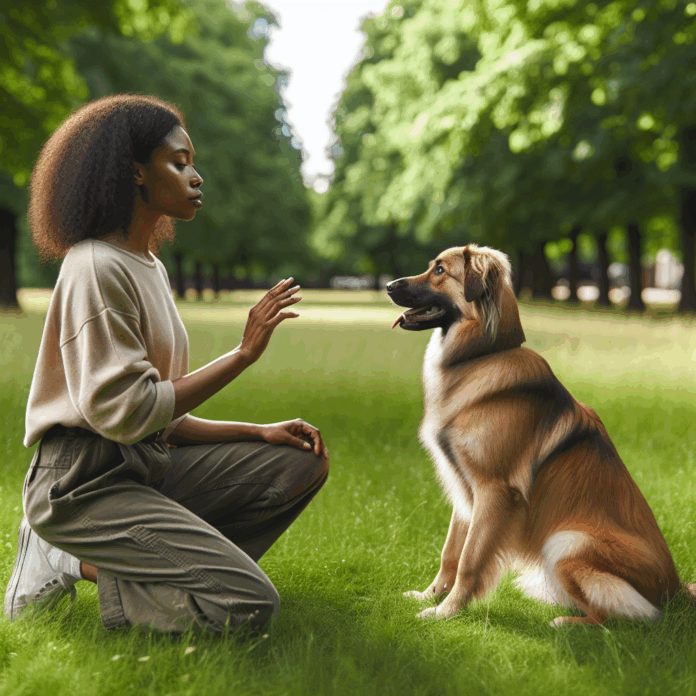
As dog owners, we have all experienced our furry friends expressing their feelings in various ways. From joyful barks and playful growls to whines that tug at our heartstrings, our dogs communicate through their behavior. However, when whining transforms into a pattern of anxious behavior, it becomes a concern for any responsible pet owner. Understanding the root of your dog’s anxiety and implementing effective strategies can turn that whine into a wag and create a more peaceful environment for you both.
Understanding Dog Anxiety
Just like humans, dogs can experience anxiety for various reasons, each of which may manifest differently. Recognizing the signs of anxiety in your dog is the first step toward providing relief. Common indicators of anxiety include:
- Whining or whimpering: This vocalization is often a sign of distress.
- Destructive behavior: Biting furniture or digging can be a manifestation of anxiety.
- Excessive pacing: A dog that cannot settle may be trying to manage its anxious feelings.
- Increased barking: This can signal frustration or a desire for attention.
- Submissive urination: This may occur in response to stress.
- Avoidance behavior: Hiding or seeking isolation can indicate anxiety.
Understanding the root cause of your dog’s anxiety is crucial. Common triggers include separation anxiety, loud noises (like fireworks or thunderstorms), changes in routine, or unfamiliar environments.
Identifying Triggers
Dogs can experience anxiety due to a variety of factors, including:
- Separation Anxiety: This is one of the most common forms of anxiety in dogs. Dogs that are overly attached to their owners may become anxious when they are left alone.
- Noise Anxiety: Some dogs are particularly sensitive to loud sounds, such as thunderstorms, fireworks, or even the vacuum cleaner.
- Social Anxiety: Dogs that didn’t have positive social interactions as puppies may fear other dogs, people, or new experiences.
- Changes in Environment: Moving to a new home, the arrival of a new baby, or changes in family dynamics can unsettle your dog.
Once you’ve identified specific triggers for your dog’s anxiety, you can tailor your approach to address these concerns effectively.
Strategies for Alleviating Anxiety
While addressing your dog’s anxiety may take time, there are several strategies and techniques you can implement to create a calmer environment.
1. Create a Safe Space
Designate a quiet area in your home where your dog can retreat when feeling anxious. This space should include:
- A comfortable bed.
- Familiar toys or blankets.
- Low light levels and minimal foot traffic.
2. Utilize Calming Aids
Consider using products specifically designed to calm anxious dogs:
- Calming collars: These are infused with pheromones that can help ease anxiety.
- Anxiety wraps: These provide gentle, constant pressure that has a soothing effect.
- Herbal supplements: Consult your veterinarian about natural supplements that might help.
3. Positive Reinforcement Training
Reward-based training can be an effective way to address behaviors linked to anxiety. Engage in training sessions that involve distractions associated with anxiety triggers, rewarding your dog for remaining calm. This technique helps to form positive associations with potentially stressful stimuli.
4. Gradual Desensitization
Slowly exposing your dog to its anxiety triggers can reduce its sensitivity over time. For instance:
- If your dog is frightened of loud noises, start by playing recordings of thunder or fireworks at a very low volume.
- Gradually increase the volume while rewarding calm behavior.
5. Provide Mental and Physical Stimulation
Keeping your dog mentally and physically engaged can significantly reduce anxiety levels. Long walks, interactive toys, and puzzle games can help distract your dog and stimulate its mind.
6. Medication
In severe cases, anxiety medications may be appropriate. Consult with your veterinarian to understand the options available, which may include:
- Anti-anxiety medications.
- SSRIs or other mood stabilizers.
Medication should always be considered as part of a comprehensive approach that includes behavioral training.
Routine and Consistency
Establishing a consistent routine helps dogs feel secure. This includes:
- Regular feeding times: Keeping a set schedule for meals can reduce anxiety.
- Daily walks: Regular exercise not only tires out your dog but also provides mental stimulation.
- Socialization: Gradually introducing your dog to new experiences in a controlled manner will build its confidence.
Monitoring Progress
Adjust your techniques as you observe changes in your dog’s behavior. Keep a diary with notes on your dog’s responses to specific interventions, helping you determine what works best.
Seeking Professional Help
If your dog’s anxiety continues despite your efforts, it may be beneficial to consult a professional dog trainer or behaviorist specializing in anxiety issues. They can provide individualized strategies tailored to your dog’s unique needs.
Conclusion
Transforming your anxious dog from whining to wagging is a journey that requires patience and understanding. By identifying triggers, utilizing calming techniques, and fostering a supportive environment, you can help your dog find peace. Remember, every dog is different; what works for one might not work for another. Be observant, and don’t hesitate to seek help if needed. With love and the right approach, your dog can live a happy, relaxed life.
FAQs
Q: What are common signs of anxiety in dogs?
A: Common signs include whining, destructive behavior, excessive barking, pacing, submissive urination, and avoidance of interactions.
Q: Can I cure my dog’s anxiety?
A: While anxiety may not be “cured” completely, many strategies can significantly alleviate symptoms and improve your dog’s quality of life.
Q: Are calming products safe for dogs?
A: Most calming products are safe when used as directed. Always consult your veterinarian before starting any new treatment.
Q: How long will it take for my dog to feel better?
A: The timeline varies based on individual circumstances. Some dogs may improve quickly, while others may require weeks or months of consistent management.
Q: When should I consider medication for my anxious dog?
A: If behavioral modifications and calming techniques do not sufficiently alleviate your dog’s anxiety, consult your veterinarian about medication options.

