

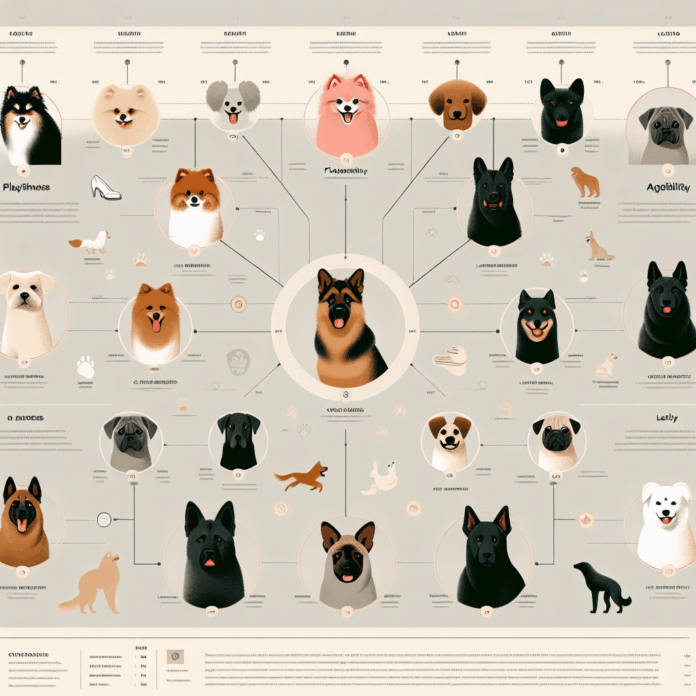
Choosing a dog isn’t just about picking a cute face; it’s about understanding the breed and the unique traits that come along with it. Each dog breed has distinct characteristics shaped by its history, temperament, and physical capabilities. These traits influence everything from how they behave with other pets and people, to their trainability and exercise needs. In this article, we will explore how a dog’s breed can affect its temperament, training, and overall suitability for various lifestyles, along with some FAQs to guide prospective dog owners.
The Importance of Understanding Breed Traits
Understanding a dog’s breed traits can significantly impact the owner’s experience and the dog’s overall happiness and well-being. Here are a few aspects where breed characteristics play a crucial role:
1. Temperament
Temperament refers to a dog’s general disposition and personality traits. Different breeds have different temperamental qualities, which are often rooted in their original functions. For example:
- Retrievers (like the Golden Retriever) are usually friendly and eager to please, making them excellent family pets.
- Terriers (such as the Jack Russell Terrier) may be spirited, energetic, and have a high prey drive due to their history as hunters.
- Herding breeds (like the Border Collie) are often intelligent and highly trainable but require a job to keep them stimulated.
2. Trainability
Certain breeds are naturally more trainable than others. This can be attributed to their intelligence, eagerness to please, and the complexity of their behavioral traits. For instance:
- Working breeds like the German Shepherd excel in obedience training, often used in police and rescue work due to their ability to concentrate and learn quickly.
- On the other hand, breeds like stubborn Afghan Hounds may require patience and creativity to train, as they may not be as eager to follow commands.
3. Energy Levels and Exercise Needs
Every breed has different energy levels, impacting how much exercise they require. High-energy breeds, such as the Siberian Husky or Border Collie, need a significant amount of physical activity and mental stimulation. Low-energy breeds like the Bulldog or Basset Hound may be content with shorter walks and less rigorous playtime, making them suitable for less active families.
4. Socialization Needs
Some breeds have a predisposition towards specific socialization needs. Breeds that were historically used as pack animals or companions, such as the Cavalier King Charles Spaniel, tend to be more social and friendly. Conversely, independent breeds like the Shiba Inu may require more structured socialization training to ensure they become well-adjusted adults.
Breeds and Their Historical Backgrounds
Understanding a breed’s history can provide insight into their behavior. Here are a few examples:
- Labrador Retrievers were originally bred for fishing and retrieving game. Their history as working dogs translates into their friendly and cooperative nature.
- Sighthounds, such as Greyhounds, were bred for hunting. Their keen eyesight and speed reflect in their independent and occasional aloof demeanor.
- Companion breeds, like the Pug, were bred to be close to humans, making them incredibly affectionate but sometimes overly attached.
Applying This Knowledge to Training
When it comes to training, being aware of a breed’s characteristics will help tailor your approach:
1. Setting Realistic Expectations
Knowing a dog’s breed can help set expectations for behavior and training timelines. For example, an intelligent breed like the Border Collie may grasp commands quickly, while a stubborn Bull Terrier might take longer to respond to the same training methods.
2. Utilizing Natural Instincts
Incorporating natural instincts into training can lead to a more enjoyable experience for both owner and dog. For instance, using fetching games for retrievers not only engages them but also reinforces their instincts.
3. Socialization Activities
Socialization is crucial for all dogs, but it can be particularly important for breeds that may be hesitant or reactive. Understanding a breed’s social tendencies can guide owners on how to introduce their dogs to new experiences safely and effectively.
Choosing the Right Breed for Your Lifestyle
When deciding on a dog breed, consider your lifestyle, living situation, and family dynamics. Here are a few questions to ponder:
- How active is your lifestyle? If you enjoy outdoor activities and exercise, a high-energy breed may be a great fit. Conversely, if your routine involves sitting for long periods, consider a breed with lower exercise needs.
- Do you have children or other pets? Some breeds are more tolerant and friendly towards kids and other animals, while others may be more reserved or territorial.
- How much time can you dedicate to training? If you prefer a low-maintenance pet, you might lean towards breeds that are easier to train and socialize.
Best Practices for Training and Living with Different Breeds
Start Early: Early socialization and basic training are essential for all dogs but can be even more critical for certain breeds.
Consistent Training: Consistency is key, particularly for breeds that may be more stubborn or independent.
Positive Reinforcement: Use rewards-based training methods for all breeds, particularly those that are eager to please, like Retrievers.
Tailor Activities: Adapt playtime and activities according to the breed’s energy levels and preferences.
- Engage in Mental Stimuli: Provide puzzle toys and engaging games for intelligent breeds to keep them mentally stimulated and content.
Conclusion
Understanding what your dog’s breed says about them is crucial for creating a fulfilling life together. Their temperament, energy levels, and trainability provide essential insights that can guide your choices as a dog owner. By knowing what to expect and how to train effectively, you not only enhance your dog’s behavior and happiness but also enrich the bond you share.
FAQs
1. Are some breeds better for first-time dog owners?
Yes, breeds that are generally more trainable and laid-back, such as Labrador Retrievers or Pugs, can be ideal for first-time owners.
2. Can a dog’s breeding line influence temperament?
Absolutely. Even within the same breed, different lines may exhibit varying traits based on their breeding history.
3. How important is early socialization?
Early socialization is critical for every breed. It helps prevent behavioral issues and ensures your dog is comfortable in various environments.
4. Can mixed-breed dogs be easier to train?
Mixed breeds can combine the best traits of their parent breeds, potentially leading to a more balanced temperament. However, trainability often depends more on individual personalities than on breed alone.
5. Is it essential to research a breed before adoption?
Yes, conducting thorough research helps ensure that you choose a breed that fits your lifestyle, enabling a harmonious living situation for both dog and owner.

